

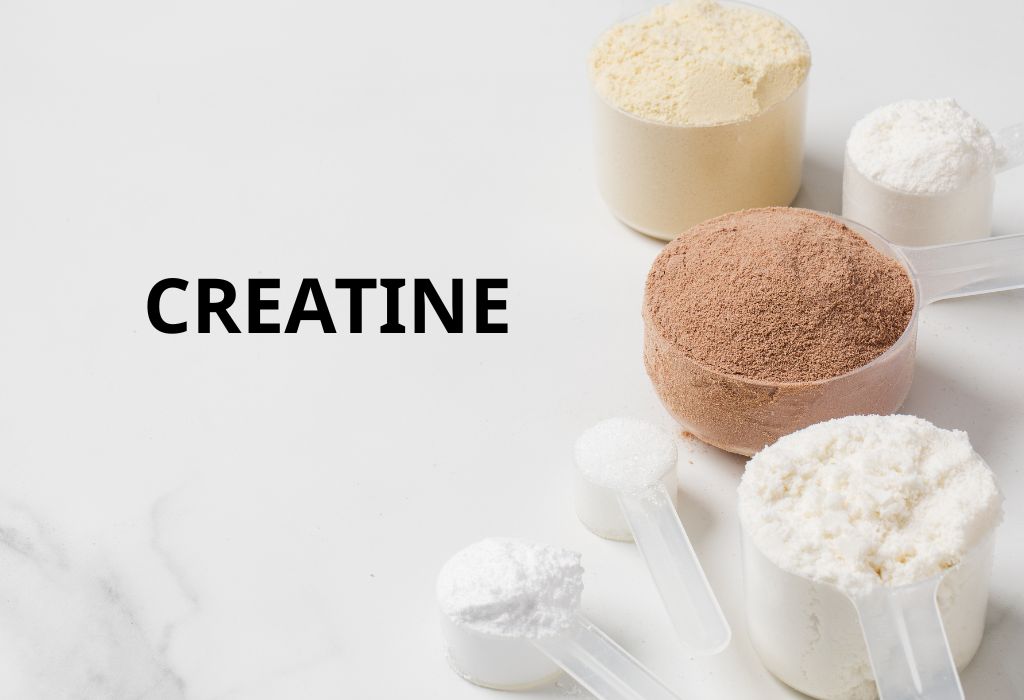
User Reviews About Creatine: Real Results
Creatine is a naturally occurring compound that plays a critical role in cellular energy production, particularly during high-intensity training.
Although produced by the body and found in foods like meat and fish, many athletes supplement with creatine to maximize muscle strength and performance.
By analyzing tens of thousands of real user experiences across the web, we have curated insights to help you understand its practical benefits beyond the clinical research.
Before exploring further, please read the disclaimer located at the end of this webpage.
Key Takeaways
- Main effects: Users often feel stronger, look fuller, and recover faster. Some studies also confirm that Creatine helps increase muscle mass and improve performance.
- Side effects: Most complaints involve bloating, gas, or diarrhea when taking high doses. Slight weight gain may happen due to water retention.
- Common dosage: 3-5 g/day. No loading phase needed. You can take it any time as long as you take it consistently.
Why Creatine Has Become So Popular
Creatine is one of the most researched supplements in the fitness world. Studies show that it offers clear benefits for short, high-intensity activities like weightlifting or sprinting [1].
This explains why Creatine is “very popular” among athletes and bodybuilders: it helps muscles maintain ATP energy during hard efforts, leading to better strength and performance [1, 2].
Science also shows that Creatine supports muscle protein production and improves recovery. Because of this, many people use it to achieve faster “newbie gains” in the early training phase.
Its simplicity—often just pure creatine monohydrate—and its affordable price also make it widely favored.

Read more: 13 Best Creatine Supplements for Strength and Performance
How We Collected These User Experiences
We gathered opinions from many online platforms by reviewing real user reviews and discussions. This includes ratings on e-commerce sites (like Amazon), YouTube videos and comments, specialty forums (Reddit, Quora), and health communities.
Our goal was to understand the “true voice” of Creatine users—the things they find helpful or frustrating—rather than relying only on scientific studies.
Scientific research (listed below) is included only to support accuracy and reliability, while most of the insights come from real user experiences.
Reported Benefits from Real Creatine Users

More Strength and Bigger Muscles
Many users say they can lift heavier weights and add a few extra reps per set after taking Creatine. For example, one person said that 5 g/day gave them great results with more strength and almost no side effects.*
Another user shared that Creatine made their muscles look fuller. They gained a little weight from water, but it helped them train harder.*
This matches many studies showing that Creatine increases lean muscle mass (about 2-4 lb in a few weeks with training) and can boost strength by up to ~15% compared to a placebo [1, 2].
Faster Recovery and Less Fatigue
Many users say their muscles feel less sore and recover faster between workouts. Because Creatine helps restore ATP and reduces muscle damage after training, they experience less delayed-onset muscle soreness (DOMS).*
Some people also report higher energy and better recovery, even if they cannot measure it exactly.*
They say Creatine does not give instant strength, but it helps them feel less tired during workouts, push to failure more easily, and see better strength and size gains after about two months—with no side effects.*
On Amazon, a user named David K. Kim said the loading phase plus 5 g/day helped him get better pumps and more workout energy.*
Studies also show that Creatine reduces markers of muscle inflammation after exercise and supports muscle repair [1, 3].
Possible Cognitive and Mood Support (Limited)
A small number of users say they feel more alert or experience less “brain fog” after one month of using Creatine.*
Scientific support for cognitive benefits is still limited, but some studies show Creatine may improve memory and information processing during sleep loss or stress [1, 3].
A Reddit user also shared that Creatine improved focus, reduced mental fatigue, and helped maintain alertness during high-stress work—even after they had already optimized sleep, hydration, and minerals.
They explained that Creatine helps restore energy in nerve cells, which may reduce mental tiredness, improve working memory, and offer potential brain protection.*
These experiences, however, are not common. Most users focus on physical benefits rather than brain-related effects.
Reported Side Effects and User Complaints about Creatine
Water Retention and Slight Weight Gain
Because Creatine pulls water into the muscles, many people gain weight during the first week (mostly water).*
For people trying to gain weight, this is a good thing. However, those who need to manage weight classes or prefer a “dry” look may feel a bit “puffy” and must manage their water intake.*
For example, a forum user said Creatine makes muscles look “tighter,” but it also definitely adds a bit of weight due to water retention.*
Digestive issues
Many users recommend starting with a smaller dose, drinking more water, or splitting the dose to avoid discomfort.*
One new user took 5 g in the morning and felt bloated and uneasy because they already had a sensitive stomach.*
However, most problems go away when people follow the recommended 3-5 g/day and stay hydrated.*
Common tips include:
-
Split the dose throughout the day*
-
Mix Creatine with more water*
-
Avoid taking it on an empty stomach*
-
Make sure the powder dissolves fully*
Cramps and fatigue
Some rumors claim Creatine causes muscle cramps or fatigue, but scientific evidence does not support this [4]. In reality, many users do not get cramps; the real cause is often electrolyte imbalance due to drinking too little water during training.*
Other concerns (Rare)
While Creatine is widely regarded as safe, there are a few infrequent concerns and user experiences to note:
Hair Loss Concerns: Some users speculate that Creatine may accelerate hair loss in individuals sensitive to DHT. However, scientific evidence is weak, and no study has definitively confirmed this link.*
Rare Side Effects: Serious negative reactions are uncommon. While isolated reports exist—such as rare instances of mood swings, most users on platforms like WebMD and Reddit report few to no adverse effects.*

Related article:
- Is It Bad To Dry Scoop Creatine? Explore Its Pros And Cons
- Vegan Source of Creatine: Do Vegans Have Low Creatine Levels?
- How Long Does Creatine Stay In Your System?
Common Dosages and How People Use Creatine
The standard recommended dosage for creatine monohydrate is 3–5 grams per day. A "loading phase" is generally considered unnecessary by most users. Consistency and proper hydration (2–3 liters daily) are the most important factors for effectiveness.*
Recommended Dosage
-
Maintenance Dose: Most users take 3–5 grams daily (approximately one scoop).*
-
Loading Phase: While traditional advice suggests a high-dose loading phase, many users advise skipping it to avoid stomach discomfort and side effects.*
-
Saturation: A steady dose of 3–5g/day will effectively saturate the muscles within 1–2 weeks without the need for loading.*
Best Time to Take Creatine
-
Timing: Timing is flexible. It can be taken pre-workout, post-workout, or first thing in the morning.*
-
Consistency: The specific time matters less than taking it consistently every day.*
-
Preparation: It is commonly mixed with water, juice, sports drinks, or protein shakes for easier consumption.*
Important User Tips
-
Hydration is Key: Since creatine draws water into muscle cells, users should aim to drink at least 2–3 liters of water per day.*
-
Digestion: To limit digestive issues, you can start with a smaller dose (~2 g) and increase slowly, or simply skip the loading phase.*
-
No Cycling Needed: There is no need to "cycle" (stop and restart) creatine. It is safe and effective to take daily to maintain stable muscle saturation [3].
Who Might Benefit the Most (and Who Should Be Cautious)
Creatine works well for most healthy adults—men and women—who want better physical performance. People who train for strength, bodybuilding, or high-intensity sports often see the clearest results.
Groups who eat little or no meat (vegetarians, vegans) may benefit even more because research shows that about half of daily Creatine needs must come from food. Studies also show Creatine helps older adults maintain muscle and bone strength as they age [1, 5].
Some groups should be more cautious:
-
People with existing kidney or liver conditions
-
Anyone taking medications that affect kidney function
-
Pregnant or breastfeeding women
-
Teens under 18
These groups should talk to a healthcare professional first because long-term safety data is limited for them.
For healthy individuals, there is no strong research showing Creatine is unsafe, but caution is always recommended when health conditions are involved [1, 5].
Overall User Sentiment: The Big Picture
In general, community feedback about Creatine is very positive.
Most users say it provides real benefits—stronger workouts, firmer muscles—and almost no serious side effects.*
Some even joke: “I take Creatine like a daily vitamin. I don’t feel much, but it works so I keep using it.”
Importantly, scientific studies show that Creatine is safe even with long-term use at higher doses. Regular users often report better strength, recovery, and overall wellness [3, 5].
Of course, results vary from person to person depending on body type and training habits. But overall, user feedback matches scientific evidence: Creatine boosts performance and muscle growth, while side effects remain mild when used correctly.
Conclusion
Creatine is one of the most researched and widely used supplements in sports nutrition. Most users say it delivers clear benefits for strength, physique, and faster recovery after workouts.
Issues like water retention or mild digestive discomfort usually appear only when dosing is incorrect, and they are easy to manage with simple habits like drinking more water or splitting the dose.
If you want to get the most from your training, combining real user experiences with solid scientific evidence will help you use Creatine in the most effective way.
Testimonial Disclaimer
*The testimonials presented on this website are provided by individuals based on their personal experiences with our products. These testimonials represent individual opinions and experiences, which may not be typical or applicable to all users of our products. Results may vary depending on a variety of factors, including individual health, lifestyle, and adherence to product usage instructions.References
- [1] Nordqvist, J. (2017, December 20). Your guide to understanding creatine. Medicalnewstoday.com; Medical News Today. https://www.medicalnewstoday.com/articles/263269
- [2] Energy Metabolism and Brain Functions - Harvard Brain Science Initiative. (2021, March 10). Harvard Brain Science Initiative. https://brain.harvard.edu/hbi_news/energy-metabolism-and-brain-functions/
- [3] Dr. Maille Devlin, ND. (2025). Mailledevlin.com. https://www.mailledevlin.com/post/creatine-benefits-what-reddit-gets-right-and-wrong-a-naturopathic-doctors-analysis
- [4] Antonio, J., Candow, D. G., Forbes, S. C., Gualano, B., Jagim, A. R., Kreider, R. B., Rawson, E. S., Smith-Ryan, A. E., VanDusseldorp, T. A., Willoughby, D. S., & Ziegenfuss, T. N. (2021). Common questions and misconceptions about creatine supplementation: What does the scientific evidence really show? Journal of the International Society of Sports Nutrition, 18(1). https://pmc.ncbi.nlm.nih.gov/articles/PMC7871530/
- [5] Mawer, R. (2025). Creatine Side Effects, Interactions, and What You Should Know. Healthline. https://www.healthline.com/nutrition/creatine-safety-and-side-effects
Author
Product Disclaimer
Including an ingredient or study does not evaluate, endorse, or recommend any Vinatura product or any third-party product. Some ingredients discussed may not be used in any Vinatura product.
The content of the articles has not been evaluated by the Food and Drug Administration (FDA) and is not intended to promote or endorse any specific product. Any products sold on this website are not intended to diagnose, treat, cure, or prevent any disease.
Opinions and Endorsements
Any claims, statements, or opinions expressed in the articles are those of the author(s) and do not necessarily reflect the views or opinions of the manufacturers of the dietary supplement products. The products sold on this website are separate from the content of the articles and are not directly endorsed or associated with the information presented here.
Liability Disclaimer
The author(s) of the articles, website, and manufacturers of the dietary supplement products do not assume any liability for any potential consequences arising from the use of the information provided in the articles. Ingredient effects, dosages, and safety vary by individual, formulation, and context; some ingredients interact with medications or may be unsuitable during pregnancy or lactation. It is recommended that individuals consult with a qualified healthcare professional before making any dietary or lifestyle changes, including the use of dietary supplements.
Product Usage
Please refer to the product labels and packaging for specific usage instructions and guidelines for the dietary supplement products sold on this website.
Customer Support
For any concerns or questions regarding the dietary supplement products, please contact our customer support team, who will be more than happy to assist you.


Leave a Comment
Be the first to comment.
What do you think?