

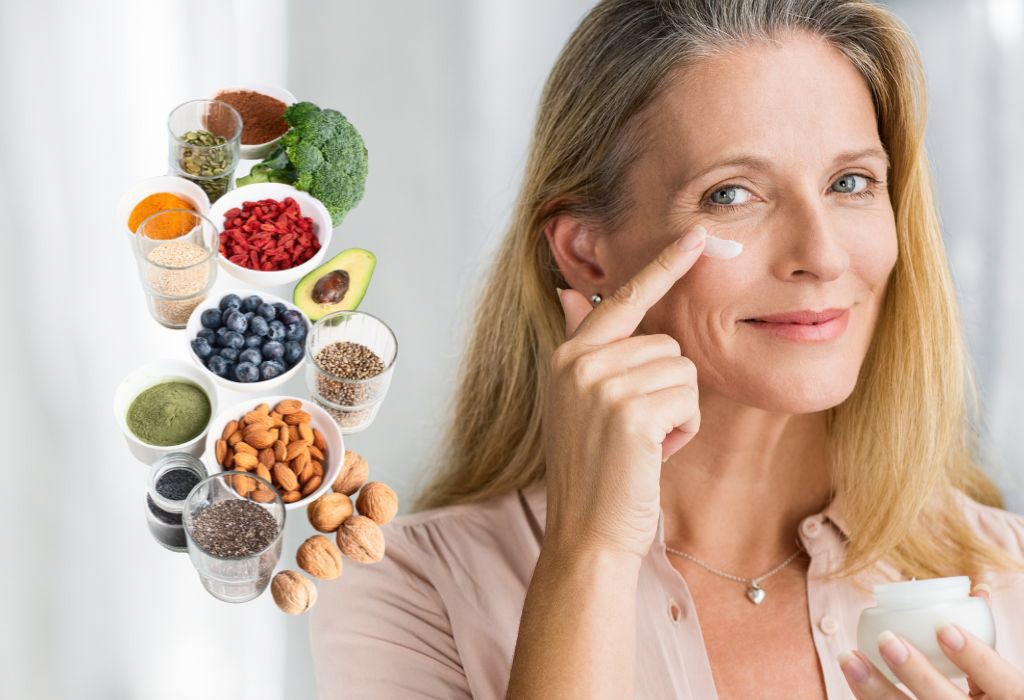
Anti-Aging Superfoods for Seniors: How to Incorporate Them
Aging is not just a physical transition—it’s also a time when nutrition becomes more important than ever to maintain health, clarity of mind, and mobility.
As the body begins to age, a healthy diet plays a vital role. Fortunately, there are nutrient-dense, natural foods known as superfoods that can help fight the signs of aging. By simply adding a few of these into daily meals, older adults can enjoy many benefits for both physical and mental well-being.
Before exploring further, please read the disclaimer located at the end of this webpage.
Key Takeaways
- Superfoods offer antioxidants and nutrients that help reduce inflammation and slow aging.
- Top superfoods include berries, leafy greens, nuts, salmon, turmeric, olive oil, and green tea.
- Seniors should focus on soft, easy-to-digest meals like soups and smoothies.
- Optimal wellness combines good nutrition with hydration, light exercise, quality sleep, stress management, and social activity.
Why Nutrition Matters More as You Age
As we age, the body undergoes several physiological changes that accelerate cellular aging and reduce overall health. Metabolism slows down, immune function weakens, and both bone density and muscle mass gradually decline [1,2].
When free radicals exceed the body's ability to neutralize them, they accumulate and trigger oxidative stress, damaging cells and accelerating aging. This has been associated with an increased risk of age-related conditions such as cancer, immune disorders, cardiovascular issues, and neurodegeneration.
The body’s defense system produces antioxidants—both endogenous and from diet or supplements—to neutralize free radicals and limit oxidative damage [3].
Therefore, a nutrient-rich diet becomes a crucial defense. According to Dr. Howard Sesso (Harvard University) [4], “Nutrient absorption decreases with age,” while the body’s need for vitamins and minerals (such as D, B12, calcium, and C) becomes more important for maintaining immunity and bone health [2,4].
Nutritious diets also support mental health and cognitive function in seniors. As Dr. Andre Blanks (Director of Nutrition, WA Cares Fund) notes, “These bodily changes make prioritizing a healthy, balanced diet essential” [2]. With the right nutrition, seniors can stay independent and healthy for longer.
What Are Superfoods and How Do They Fight Aging?
“Superfood” is not an official scientific term, but it is widely used in health media to describe foods that are exceptionally rich in nutrients and offer notable health benefits.
According to Merriam-Webster, a superfood is “a food (such as salmon, broccoli, or blueberries) that is rich in compounds (such as antioxidants, fiber, or healthy fats) considered beneficial to a person's health” [5].
Superfoods are typically plant-based, nutrient-dense foods that are high in antioxidants, vitamins, minerals, omega-3 fatty acids, and fiber.These nutrients are associated with supporting immune health, managing occasional inflammation, and promoting healthy aging.
The term became popular in the 1990s due to marketing campaigns by food companies. These nutrients help combat oxidative stress and chronic inflammation at the cellular level, protecting DNA, proteins, and cell membranes from age-related damage [6].
For example, curcumin—a compound found in turmeric—has powerful anti-inflammatory properties. Through their “anti-aging from within” mechanism, superfoods support better circulation, help maintain healthy blood vessels and support brain and immune system function, which may contribute to overall cardiovascular and cognitive well-being [6].
Top 10+ Anti-Aging Superfoods for Seniors
Berries

These compounds have been studied for their antioxidant, anti-inflammatory, and antibacterial effects in laboratory settings. Some research suggests they have potential benefits for cellular health [23].
Moreover, a study by Cásedas et al., 2017 investigated the potential of cranberry and blueberry juices to help counteract oxidative stress in cellular models [24].
Praised for their vibrant colors and natural sweetness, berries also pack a powerful punch of antioxidants like flavonoids, phenolic acids, and vitamins C and E. These compounds help neutralize free radicals and support the body’s defense against oxidative stress, a key factor associated with aging [7].
Dark Leafy Greens

From kale to spinach, dark leafy greens stand out as nutritional powerhouses loaded with vitamins A, C, E, and K, folate, fiber, minerals, and powerful antioxidants such as carotenoids.
These nutrients support cellular protection, immune health, digestive function, and may contribute to cardiovascular, bone, and metabolic wellness.
Due to their antioxidant and anti-inflammatory properties, leafy greens may help counteract oxidative stress—a key factor associated with cellular aging and functional decline [8].
With their low calorie and low glycemic index, leafy greens are ideal for maintaining a healthy weight and are perfectly suited for an anti-aging, healthy diet.
Nuts & Seeds

Nuts and seeds are rich in protein, healthy unsaturated fats, fiber, vitamins (E, B-group), and minerals such as magnesium, zinc, iron, and calcium.
In fact, they may support weight management by promoting satiety and helping regulate calorie intake [9].
Several studies have shown that consuming around 30g of nuts per day may support cardiovascular and metabolic health [25], which are important factors in healthy aging.
Nuts also provide antioxidants and arginine, which support vascular function, help maintain normal blood pressure, and contribute to overall inflammatory balance. For these reasons, nuts and seeds are ideal components of a natural, healthy, and anti-aging diet [9,10].
Fatty Fish (e.g., Salmon)

Fatty fish are excellent sources of DHA and EPA, two essential omega-3 fatty acids crucial for brain, nervous system, and cardiovascular health.
Omega-3s have been studied for their role in supporting heart health, including maintaining normal triglyceride levels, vascular flexibility, and overall cardiovascular function.
It is recommended to consume at least two servings of fish per week to naturally support heart and brain function [11].
Fatty fish like salmon also provide melatonin and tryptophan, which may support restful sleep and contribute to hormonal health—important aspects of healthy aging. Additionally, they provide high-quality protein to help maintain muscle mass and strength in older adults [12].
However, while omega-3s offer many health benefits, it’s important to consider mercury contamination. Some large fish may contain methylmercury, a neurotoxin particularly dangerous for pregnant women, nursing mothers, and children.
To minimize risks, limit consumption of high-mercury fish like swordfish, shark, and bigeye tuna, and opt for safer choices such as salmon, sardines, herring, and rainbow trout [13].
Turmeric
With over 400 clinical trials and 19,000+ publications, curcumin—the active compound in turmeric—has been widely studied for its potential role in supporting long-term health and healthy aging.
Traditionally, turmeric (Curcuma longa) has been used in various cultures to support well-being and address age-related challenges.
A study shows that curcumin may help reduce oxidative stress, inhibit inflammatory pathways, and regulate age-related genes, thereby slowing cellular aging and improving brain, heart, and immune function [14].
Adding turmeric to meals such as curries, juices, or smoothies can enhance the anti-inflammatory effects of the daily diet.
Olive Oil

Extra virgin olive oil is rich in oleic acid (a monounsaturated fat) and phenolic compounds with strong antioxidant properties.
These compounds have been associated with supporting a healthy inflammatory response and may help maintain neural cell integrity. A recent review suggested a potential link between regular olive oil intake and the maintenance of cognitive performance in older adults [15].
Furthermore, the Mediterranean diet—which emphasizes fish, olive oil, vegetables, fruits, whole grains, nuts, and moderate wine intake has been widely studied for its potential contributions to overall health and wellness.
Studies suggest that adherence to the Mediterranean diet is associated with improved health outcomes and a lower incidence of various chronic conditions in observational research.
It has been linked to favorable changes in health markers such as blood lipids, waist circumference, and inflammatory status.
Some studies have drawn parallels between the cardiovascular benefits of the healthy diet and those observed with lifestyle interventions like regular exercise, though it remains unclear whether these effects stem from specific components or the overall dietary pattern [16].
Avocado
Avocados are rich in monounsaturated fatty acids (such as oleic acid) and antioxidants like lutein, zeaxanthin, vitamins E and A, niacin, and folate.
This combination may help enhance nutrient absorption, potentially benefiting skin health, especially in the skin. Both oral and topical supplementation of lutein and zeaxanthin have shown improvements in skin elasticity and moisture [17].
A study involving 39 healthy women aged 27–73 found that eating one avocado per day for 8 weeks increased skin elasticity and firmness in the forehead area, especially in healthy, overweight women [17].
“Elasticity and firmness were increased at forehead comparing 8 weeks to baseline in the avocado group.”
— Avocado Consumption Increased Skin Elasticity and Firmness in Women – A Pilot Study (Henning et al., 2022)
Replacing margarine, butter, eggs, yogurt, cheese, or processed meat with avocado has been associated with better heart health outcomes in observational studies [18].
Avocados provide a nutrient-dense source of healthy fats that may contribute to overall energy balance and dietary quality, including support for cognitive functions as part of a balanced diet.
Green Tea

Green tea contains flavonoids, especially EGCG (epigallocatechin gallate), which offer strong antioxidant and anti-inflammatory effects. Studies conducted in Asian populations have shown that regular green tea consumption is associated with better brain function in middle-aged and older adults [19].
Specifically, green tea may help enhance memory, improve information processing, and reduce biomarkers of oxidative stress in the body. A cup of green tea a day is a great way to enrich the body with polyphenols.
Fermented Foods
Fermented foods such as probiotic yogurt, sauerkraut, kimchi, kombucha, etc., provide beneficial bacteria for the gut. A healthy gut microbiome helps strengthen immunity and improve digestion.
Diets rich in probiotics have been associated with gut-brain interaction benefits and may support emotional well-being and the body’s natural inflammatory response.
A study from Stanford University found that a diet rich in fermented foods such as yogurt, kefir, kimchi, pickled vegetables, and kombucha significantly improved gut microbiome diversity and may help lower 19 inflammatory markers, including interleukin-6—a factor associated with arthritis, diabetes, and chronic stress [20].
In contrast, while fiber-rich diets offer health benefits, they did not show a noticeable impact on microbiome diversity in the short term [20].
Sweet Potatoes

Sweet potatoes are a highly nutritious food, rich in fiber, vitamins A, C, B, potassium, magnesium, beta-carotene, and antioxidants. They may support digestive health, help maintain healthy blood sugar levels, and contribute to balanced blood pressure thanks to their potassium content.
High levels of vitamin A in sweet potatoes promote eye health and protect skin, while vitamin C supports immunity and iron absorption. Eating sweet potatoes with the skin helps boost fiber and mineral intake [21].
Besides being delicious, sweet potatoes are also a natural beauty booster for skin. Rich in beta-carotene, anthocyanins, and flavonoids, sweet potato roots help fight oxidative stress, reduce inflammation, and stimulate collagen production—essential for firm, elastic skin with fewer wrinkles.
Research suggests that sweet potato extract, whether ingested or applied topically, may help slow skin aging and promote a more youthful appearance [22].
How to Incorporate Superfoods Into a Senior-Friendly Diet
To help older adults absorb nutrients effectively from superfoods, meals should be tailored to their digestion and chewing ability:
- Cook thoroughly and soften textures: For example, pumpkin porridge, pureed vegetable soups, or stewed dishes with legumes and lean meats.
- Smoothies are a great way to combine berries, leafy greens, and yogurt—easy to swallow and highly nutritious.
- Smaller, more frequent meals: Eating 4–5 small meals a day instead of 3 large ones helps lighten the digestive load.
- Balanced and varied combinations: Each meal should include vegetables, whole grains, a protein source (like fish, lean meat, or beans), and healthy fats (like olive oil or seeds). Ensure daily servings of fruits and vegetables.
- Soft and easy-to-digest options: Puree or stew fibrous vegetables to minimize bloating.
- Rotate superfoods regularly to avoid boredom and ensure a wide nutrient spectrum
Supplements vs. Whole Foods: What’s Better for Seniors?
While superfoods offer numerous benefits when consumed whole, many seniors may also consider supplements to fill nutritional gaps. However, these options differ significantly in terms of absorption, safety, and overall benefits. Let's compare them side-by-side:
|
Aspect |
Whole Foods |
Supplements |
|
Nutrient Source |
Naturally diverse: include vitamins, minerals, fiber, and synergistic compounds such as carotenoids and flavonoids. |
Concentrated forms of specific nutrients like vitamin D, B12, or Omega-3. |
|
Absorption |
High bioavailability; nutrients are absorbed more effectively with natural cofactors [4]. |
May have lower absorption if lacking synergistic compounds or proper formulation. |
|
Additional Benefits |
Provide fiber, antioxidants, and compounds that promote satiety and overall nutritional balance. |
Typically lack fiber and phytonutrients; risk of excess intake if used improperly. |
|
Safety |
Generally safe when consumed in balanced amounts from natural sources. |
Beneficial when used to address deficiencies but should be monitored by healthcare professionals to avoid excess or interactions. |
|
When to Use |
Should form the nutritional foundation—via varied, whole-food meals. |
Suitable during periods of low appetite, impaired absorption, or medically diagnosed deficiencies (e.g., B12, D, Omega-3). |
Experts recommend prioritizing whole food nutrition because of the synergistic benefits they offer when consumed in a balanced meal [4]. Supplements are not replacements but supportive tools—appropriate for seniors who struggle with eating, digestion, or have diagnosed nutrient deficiencies.
Before starting any supplement, consult a healthcare professional to monitor dosage, avoid interactions, and prevent nutritional toxicity.
Final Tips for a Longevity-Boosting Lifestyle
In addition to a healthy diet rich in superfoods, a positive and balanced lifestyle is the key factor that helps seniors live longer, stay healthier, and enjoy life each day.
- Hydration: Drinking about 1.5–2 liters of water per day (depending on body condition) helps cells function properly and supports digestion. Seniors often feel less thirsty, so regular, mindful hydration is essential.
- Physical Activity: Gentle exercises like slow walking, yoga, tai chi, or seated movements help maintain muscle and bone density, improve blood circulation to the brain, and boost mood.
- Sleep Quality: Aiming for 7–8 hours of sleep per night helps the body recover, balance hormones, and strengthen memory and cognitive function.
- Stress Reduction: Practicing meditation, deep breathing, or simply listening to calming music can lower blood pressure and reduce inflammation in the body.
- Social Connection: Staying in touch with family and friends or joining community activities keeps the mind optimistic, reduces stress hormones, and enhances immunity.
In short, superfoods provide essential nutritional support for aging but a healthy lifestyle is the true “longevity medicine.” Smart eating, combined with regular movement, quality sleep, and a positive mindset, offers the best path to aging well both physically and mentally.
Conclusion
Nutrition is a “non-prescription medicine” that can make a major difference in how we age. When incorporated wisely into daily meals, superfoods not only help extend lifespan but also elevate quality of life in later years from physical health to emotional well-being.
Remember: No single food can replace a healthy lifestyle. But every bowl of veggie soup, every cup of green tea, or a handful of berries adds up to a healthier, more vibrant life.
Testimonial Disclaimer
*The testimonials presented on this website are provided by individuals based on their personal experiences with our products. These testimonials represent individual opinions and experiences, which may not be typical or applicable to all users of our products. Results may vary depending on a variety of factors, including individual health, lifestyle, and adherence to product usage instructions.References
- [1] Nutrition as We Age: Healthy Eating with the Dietary Guidelines - News & Events | odphp.health.gov. Health.gov. Published 2021. Accessed July 11, 2025. https://odphp.health.gov/news/202107/nutrition-we-age-healthy-eating-dietary-guidelines
- [2] Aging and nutrition | WA Cares Fund. WA Cares Fund. Published March 19, 2025. Accessed July 11, 2025. https://wacaresfund.wa.gov/news/aging-and-nutrition
- [3] Pham-Huy LA;He H;Pham-Huy C. Free radicals, antioxidants in disease and health. International journal of biomedical science : IJBS. 2022;4(2). Accessed July 11, 2025. https://pubmed.ncbi.nlm.nih.gov/23675073/
- [4] Get nutrients from food, not supplements -- Harvard Health - Harvard Health. Harvard Health. Published June 2015. Accessed July 11, 2025. https://www.health.harvard.edu/press_releases/get-nutrients-from-food-not-supplements
- [5] Superfoods or Superhype? - The Nutrition Source. The Nutrition Source. Published March 20, 2018. Accessed July 11, 2025. https://nutritionsource.hsph.harvard.edu/superfoods/
- [6] Rani J. Health and Nutritional Benefits Provided by Superfoods: A Review. International Journal of Current Microbiology and Applied Sciences. 2024;13(7):106-132. doi:https://doi.org/10.20546/ijcmas.2024.1307.013
- [7] Nile SH, Park SW. Edible berries: Bioactive components and their effect on human health. Nutrition. 2014;30(2):134-144. doi:https://doi.org/10.1016/j.nut.2013.04.007
- [8] Dark Green Leafy Vegetables : USDA ARS. Usda.gov. Published 2023. Accessed July 11, 2025. https://www.ars.usda.gov/plains-area/gfnd/gfhnrc/docs/news-articles/2013/dark-green-leafy-vegetables
- [9] Health. Nuts and seeds. Vic.gov.au. Published 2018. Accessed July 11, 2025. https://www.betterhealth.vic.gov.au/health/healthyliving/nuts-and-seeds
- [10] Health N. The guidelines | Eat For Health. Eatforhealth.gov.au. Published March 24, 2021. Accessed July 11, 2025. https://www.eatforhealth.gov.au/guidelines/guidelines
- [11] Top Fish for Omega-3 Fatty Acids | Denver Health Medical Plan. Denverhealthmedicalplan.org. Published 2025. Accessed July 11, 2025. https://www.denverhealthmedicalplan.org/blog/top-fish-omega-3-fatty-acids
- [12] Abera BD, Mekuannt Alefe Adimas. Health benefits and health risks of contaminated fish consumption: Current research outputs, research approaches, and perspectives. Heliyon. 2024;10(13):e33905-e33905. doi:https://doi.org/10.1016/j.heliyon.2024.e33905
- [13] Krupa KN, Fritz K, Parmar M. Omega-3 Fatty Acids. Nih.gov. Published February 28, 2024. Accessed July 11, 2025. https://www.ncbi.nlm.nih.gov/books/NBK564314/
- [14] Kunnumakkara AB, Hegde M, Dey Parama, et al. Role of Turmeric and Curcumin in Prevention and Treatment of Chronic Diseases: Lessons Learned from Clinical Trials. ACS Pharmacology & Translational Science. 2023;6(4):447-518. doi:https://doi.org/10.1021/acsptsci.2c00012
- [15] Fazlollahi A, Motlagh Asghari K, Aslan C, et al. The effects of olive oil consumption on cognitive performance: a systematic review. Frontiers in Nutrition. 2023;10. doi:https://doi.org/10.3389/fnut.2023.1218538
- [16] Widmer RJ, Flammer AJ, Lerman LO, Lerman A. The Mediterranean Diet, its Components, and Cardiovascular Disease. The American Journal of Medicine. 2015;128(3):229-238. doi:https://doi.org/10.1016/j.amjmed.2014.10.014
- [17] Henning SM, Guzman JB, Thames G, et al. Avocado Consumption Increased Skin Elasticity and Firmness in Women ‐ A Pilot Study. Journal of Cosmetic Dermatology. 2022;21(9):4028-4034. doi:https://doi.org/10.1111/jocd.14717
- [18] Pacheco LS, Li Y, Rimm EB, et al. Avocado Consumption and Risk of Cardiovascular Disease in US Adults. Journal of the American Heart Association. 2022;11(7). doi:https://doi.org/10.1161/jaha.121.024014
- [19] Zhang R, Zhang L, Li Z, et al. Green tea improves cognitive function through reducing AD-pathology and improving anti-oxidative stress capacity in Chinese middle-aged and elderly people. Frontiers in Aging Neuroscience. 2022;14. doi:https://doi.org/10.3389/fnagi.2022.919766
- [20] Weaver J. Fermented-food diet increases microbiome diversity, decreases inflammatory proteins, study finds. News Center. Published July 12, 2021. Accessed July 11, 2025. https://med.stanford.edu/news/all-news/2021/07/fermented-food-diet-increases-microbiome-diversity-lowers-inflammation.html
- [21] Ware M. What’s to know about sweet potatoes? Medicalnewstoday.com. Published November 4, 2019. Accessed July 11, 2025. https://www.medicalnewstoday.com/articles/281438
- [22] Bibi A, Maqsood S, Arshad MT, Ikram A, Gnedeka KT. Unveiling the Role of Sweet Potato Root in Skin Health: A New Approach to Collagen Synthesis and Rejuvenation. Food Science & Nutrition. 2025;13(6). doi:https://doi.org/10.1002/fsn3.70281
- [23] Stote, K. S., Burns, G., Mears, K., Sweeney, M., & Blanton, C. (2023). The Effect of Berry Consumption on Oxidative Stress Biomarkers: A Systematic Review of Randomized Controlled Trials in Humans. Antioxidants, 12(7), 1443. https://doi.org/10.3390/antiox12071443
- [24] Cásedas, G., Les, F., María Pilar Gómez-Serranillos, Smith, C., & Víctor López. (2017). Anthocyanin profile, antioxidant activity and enzyme inhibiting properties of blueberry and cranberry juices: a comparative study. Food & Function, 8(11), 4187–4193. https://doi.org/10.1039/c7fo01205e
- [25] Arnesen, E. K., Birna Thorisdottir, Bärebring, L., Fredrik Söderlund, Nwaru, B. I., Spielau, U., Dierkes, J., Ramel, A., Lamberg-Allardt, C., & Agneta Åkesson. (2023). Nuts and seeds consumption and risk of cardiovascular disease, type 2 diabetes and their risk factors: a systematic review and meta-analysis. Food & Nutrition Research, 67. https://doi.org/10.29219/fnr.v67.8961
Author

Product Disclaimer
Including an ingredient or study does not evaluate, endorse, or recommend any Vinatura product or any third-party product. Some ingredients discussed may not be used in any Vinatura product.
The content of the articles has not been evaluated by the Food and Drug Administration (FDA) and is not intended to promote or endorse any specific product. Any products sold on this website are not intended to diagnose, treat, cure, or prevent any disease.
Opinions and Endorsements
Any claims, statements, or opinions expressed in the articles are those of the author(s) and do not necessarily reflect the views or opinions of the manufacturers of the dietary supplement products. The products sold on this website are separate from the content of the articles and are not directly endorsed or associated with the information presented here.
Liability Disclaimer
The author(s) of the articles, website, and manufacturers of the dietary supplement products do not assume any liability for any potential consequences arising from the use of the information provided in the articles. Ingredient effects, dosages, and safety vary by individual, formulation, and context; some ingredients interact with medications or may be unsuitable during pregnancy or lactation. It is recommended that individuals consult with a qualified healthcare professional before making any dietary or lifestyle changes, including the use of dietary supplements.
Product Usage
Please refer to the product labels and packaging for specific usage instructions and guidelines for the dietary supplement products sold on this website.
Customer Support
For any concerns or questions regarding the dietary supplement products, please contact our customer support team, who will be more than happy to assist you.



Leave a Comment
Be the first to comment.
What do you think?