

Benefits of Fadogia Agrestis: Rat Studies, No Human Trials
Quick answer. Fadogia agrestis is a West African shrub in the coffee family whose stem is sold in herbal markets and, more recently, in supplements marketed to men. Its reputation rests on rat studies: in a 5-day study, a water extract of the stem raised blood testosterone and changed mating behavior in male rats. We searched PubMed and ClinicalTrials.gov on November 16, 2026 and found no trial, case series or case report in people, so none of its suggested benefits has been shown in humans. The main safety point comes from the same laboratory: at the same doses given for 28 days, the extract caused changes in the rats' testes that the authors called adverse, along with liver and kidney changes they linked to possible damage to cell membranes.
What Fadogia agrestis is
Fadogia agrestis is a shrub or subshrub that grows from West Africa to South Sudan, including Nigeria, Ghana, Burkina Faso and Cameroon, according to the Royal Botanic Gardens, Kew. Botanists now list it under the name Vangueria agrestis, and both names appear in research papers. It belongs to the Rubiaceae, the coffee family.
Traditional use. Researchers at the University of Mississippi describe it as used in traditional African medicine as a pain reliever and for anti-inflammatory and aphrodisiac purposes. A later paper from the same center describes a decoction (a boiled preparation) used for fever, pain and malaria. In a 2010 survey of Ghana's herbal markets, the authors reported that tons of Fadogia agrestis bark were exported each year.
Plant part and form matter. The rat studies below used a water extract of the stem, bought from herb sellers at a market in Ilorin, Nigeria. The export trade in Ghana was in bark. Chemistry studies have analyzed roots and aerial parts (stems and leaves), and one found chemical markers that tell root and aerial parts apart. A result for one part cannot be assumed for another.
What is in it. A screen of the stem water extract found alkaloids and saponins, and laboratories have since isolated several glycosides and flavonoids. No compound has been tested in people or shown to explain the rat findings.
How it is sold. Fadogia agrestis is sold as a dietary supplement ingredient: a lab analysis published in 2019 tested 17 supplements claiming to contain it. Reviews of men's health research note that supplements claiming to raise testosterone are heavily marketed on social media and online marketplaces, and that testosterone posts on social media carry a high degree of misinformation. Popularity is not evidence.
What studies have tested (rats, not people)
No human study exists. The table lists the animal studies we could read; all used male rats and a water extract of the stem from one university laboratory in Nigeria. Animal results cannot show what happens in people.
| Study | Animals | Extract and daily amount | Duration | What was measured | Result |
|---|---|---|---|---|---|
| Yakubu et al., 2005 | 60 male rats in 4 groups of 15; 5 per group tested on each of days 1, 3 and 5 | Water extract of stem; 18, 50 or 100 mg per kg of body weight, by mouth | 5 days | Mating behavior, blood testosterone | Mount and intromission frequency rose, mount and intromission latencies fell, ejaculatory latency lengthened; testosterone about two-, three- and six-fold higher than controls by the end. Luteinizing hormone (LH) was not measured |
| Yakubu et al., 2007 (journal not indexed in PubMed) | 80 male rats in 4 groups of 20; 5 per group examined on days 1, 7, 14 and 21 | Same extract and doses | 21 days | Blood counts | Red blood cell measures unchanged; white cell count lower on day 1 and higher on days 7 to 21, with fewer neutrophils and more lymphocytes. Authors suggested possible toxicity |
| Yakubu et al., 2008 | Male rats in 4 groups (number per group not in abstract) | Same extract and doses | 28 days, then 10 days off | Testes-to-body weight ratio, testicular enzymes, protein, cholesterol, glycogen | Changes at all doses that the authors called indications of adverse effects on testicular function; partial recovery after stopping, mainly at 18 mg/kg, which the authors read as no permanent toxicity at that dose |
| Yakubu et al., 2009 | Male rats in 4 groups (number per group not in abstract) | Same extract and doses | 28 days | Liver and kidney enzymes, a lipid-damage marker (malondialdehyde) | Enzymes fell in liver and kidney and rose in blood; malondialdehyde rose at all doses. No deaths, no outward signs of illness, no change in organ-to-body weight ratios, no visible swelling or shrinking of the organs |
| Ogunro and Yakubu, 2023 | 30 male rats in 6 groups of 5; 5 groups given the antidepressant paroxetine to induce erectile dysfunction | Same extract and doses; sildenafil 50 mg/kg as comparison | Not stated in abstract | Nitric oxide, cGMP, PDE5 and antioxidant enzymes in penile and testicular tissue | Markers returned toward levels in untreated rats, like sildenafil. Authors recommended its use for erectile dysfunction "after clinical trials" |
| Human studies | None found | — | — | — | PubMed: 20 records for "fadogia", none in people; ClinicalTrials.gov: 0 registered trials |
What the findings suggest
Testosterone. In one 5-day study, the stem extract raised blood testosterone in male rats, more at higher doses. Each result came from 5 rats per group. The paper did not measure LH, the pituitary hormone that tells the testes to make testosterone; the idea that Fadogia "mimics" or raises LH appears only as a suggestion in the paper's discussion. No later study we found repeated the measurement. Evidence in people: none.
Sexual behavior and erectile function. The same 5-day study reported changes in rat mating behavior, which the authors interpreted as an aphrodisiac effect. A 2023 study in rats given paroxetine, a drug that impairs sexual function, found that the extract moved several tissue markers back toward normal. These animal models say nothing about libido or erections in men. Evidence in people: none.
Muscle, strength, athletic performance and energy. We found no study of any kind, in people or animals, that tested Fadogia agrestis on muscle, strength, exercise or fatigue. These claims assume the rat testosterone result carries over to people.
Antioxidant and immune effects. The only source we found for these claims is a 2020 test-tube and mouse study of whole-plant extracts from Burkina Faso, in a journal not indexed in PubMed. It measured antioxidant activity in test tubes and anti-malaria activity in infected mice; apart from a white blood cell count in the mice, it did not measure immune function. Evidence in people: none.
Where the evidence is limited or conflicting
- One laboratory. Every animal study in our table involves the same researcher and laboratory at the University of Ilorin, using the same extract and the same three doses. We found no independent replication.
- The same data point both ways. The testosterone result and the testicular, liver and kidney findings come from the same group, extract and doses. The 28-day testicular study reported a higher testes-to-body weight ratio, one of the changes its authors listed as adverse. Reading that change as a benefit would go beyond what the authors reported.
- Short and small. The testosterone study lasted 5 days, the longest 28 days plus 10 days of recovery, with 5 rats per group per time point where reported.
- Rat doses do not translate directly. The studies used 18 to 100 mg of a crude water extract per kilogram. The 18 mg/kg dose came from an ethnobotanical survey, according to the 2005 paper. Supplements list milligrams of products made by other methods, so the two cannot be matched.
- Product contents vary. In the 2019 analysis of 17 supplements claiming to contain Fadogia agrestis, 12 contained the measured phenolic compounds at 0.3 to 2.7 mg per day of use, and in 5 none were detected. That study measured marker compounds; it did not test effects.
- Studies we did not review. The same group has published other rat studies in journals PubMed does not index, including two 2015 studies in rats given alloxan, a chemical that injures the pancreas. Apart from the blood-count study in our table, we did not use them.
Safety
No human safety data. No trial has recorded side effects in people, and we found no published case report. What exists is a signal from rats.
Testes. After 28 days, every dose changed testicular enzymes, protein, cholesterol and relative testis weight in ways the authors called adverse effects on testicular function that "may adversely affect the functional capacities of the testes." After 10 days without the extract, the rats recovered on only some measures, mainly at the lowest dose. We could read this paper as an abstract only.
Liver and kidney. In the 28-day liver and kidney study, enzyme shifts and a rise in a lipid-damage marker led the authors to conclude that the extract may compromise the integrity of liver and kidney cell membranes. No rats died or showed outward signs of illness, and liver and kidney weights relative to body weight did not change.
Blood. In a 21-day study, white blood cell counts and types shifted, platelet counts rose or fell depending on dose and day, and red blood cell measures did not change; the authors suggested this may indicate toxicity.
Who should be especially careful. Men who are trying to have children, given the testicular findings in rats; people with liver or kidney disease; people taking any prescription medicine; and anyone pregnant or breastfeeding, for whom there are no data at all. We found no study of Fadogia agrestis with any medicine. That is an absence of data, not evidence of safety.
Hidden drugs in "male enhancement" products. This concerns a product category, not Fadogia itself. FDA warns that many products sold for sexual enhancement are likely to contain dangerous hidden ingredients and are "sometimes falsely advertised as dietary supplements, food and/or all-natural treatments." In an analysis of FDA warnings from 2007 to 2016 by California public health staff, 353 of 776 adulterated supplements (45.5%) were marketed for sexual enhancement, and sildenafil was the most common hidden drug in that group (166 of 353).
Regulation. In the United States, FDA states that it "does not have the authority to approve dietary supplements before they are marketed," so a product being on sale does not mean it was tested. In the European Union, the European Commission's list of novel-food status consultations shows, for Vangueria agrestis (published June 25, 2025), the statement "Novel Food." The consultation, submitted to the Czech authorities, concerned a 10:1 extract of the root, stem and aerial parts, and concluded that there was insufficient evidence of significant consumption as a food in the EU before May 15, 1997. Under the EU novel food regulation, only authorized novel foods may be placed on the market. We found no monograph or safety review from NIH, FDA, the European Medicines Agency or Health Canada, and no official upper intake level.
What research does not establish
- That Fadogia agrestis raises testosterone, LH, libido, erections or fertility in men.
- That it improves muscle, strength, athletic performance or energy in anyone; no study has tested these.
- That it has antioxidant or immune effects in the body.
- Whether the testicular, liver, kidney and blood changes seen in rats happen in people, and at what amount.
- That it is safe with medicines, in combination with other herbs such as tongkat ali, or for long-term use.
How we reviewed the evidence
On November 16, 2026, we searched PubMed for "fadogia" (20 records) and "Vangueria agrestis" (3 records), screened all of them, and screened articles PubMed lists as similar to the 2008 rat study. We searched ClinicalTrials.gov for Fadogia as an intervention and for "Fadogia" or "Vangueria agrestis" in all fields; both returned 0 records. We searched the web for human studies, case reports and pages from NIH, FDA, the European Medicines Agency, EFSA and Health Canada, and read the official pages cited below. We read the full texts of the 2005 and 2007 rat studies; the 2008, 2009 and 2023 studies and the 2019 product analysis were checked against their abstracts. We excluded studies of other Fadogia species, including species that poison livestock, and chemistry papers except where they bear on identity or product contents. None of the cited papers is retracted. Vinatura did not run any of these studies.
Vinatura Research Perspective
We asked four questions of every study: which plant part and extract, how much, in whom, and what was measured. For Fadogia agrestis, "in whom" settles most of it: male rats, a water extract of the stem from one Nigerian market, and one laboratory.
Comparing the papers, the main observation is that the benefit and the warning come from the same experiments. The group that reported higher testosterone in rats also reported, with the same extract and doses, testicular, liver, kidney and blood changes it judged harmful or possibly toxic. A second observation concerns form. The rats received a plain water extract; supplements list extracts described by ratios such as 10:1 or 100:1, made from stem or from mixed parts. Neither the rat papers nor the ratios state any marker-compound content, and the 2019 product analysis found marker compounds absent in 5 of 17 products. We found no way to match a label amount to a rat dose.
Our assessment: there is no evidence in people for any benefit; the animal evidence for testosterone comes from one small, short study; and the animal safety signal is consistent across three studies, though all come from one laboratory. A placebo-controlled human trial of a named, chemically characterized extract, with blood hormones, semen analysis, and liver, kidney and blood tests, would change this view. So would independent animal toxicity studies that include tissue examination.
Where this ingredient appears in Vinatura products
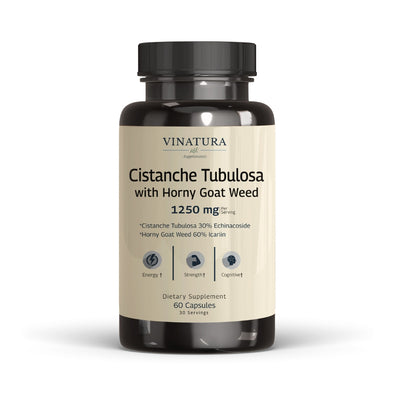
Tongkat Ali Fadogia Agrestis 1200mg lists 400 mg Fadogia agrestis 100:1 stem extract per 2-capsule serving, with 500 mg tongkat ali (Eurycoma longifolia) root extract and a 300 mg proprietary blend of L-citrulline and L-arginine HCl. The product is currently out of stock. The page does not state the extraction solvent. The studies above did not test this product, and no study has tested Fadogia agrestis in combination with tongkat ali.
Frequently asked questions
Does Fadogia agrestis raise testosterone in men? Unknown. It raised testosterone in male rats over 5 days in one study; no study has measured it in men. Tongkat ali, often paired with it, has its own human trials, reviewed in our article on the benefits of tongkat ali.
Is Fadogia agrestis safe? There are no human safety data. Rat studies found changes in the testes, liver, kidneys and blood. Ask a healthcare professional before using it.
How much did studies use? Rats received 18, 50 or 100 mg of a water extract of the stem per kilogram of body weight for 5 to 28 days. These are animal study amounts, not doses for people. Follow your product label. Our article on when to take Fadogia agrestis explains why no timing schedule has been tested.
Is Fadogia agrestis legal? In the United States it is sold as a dietary supplement ingredient, which FDA does not approve before sale. In the EU, a 2025 consultation classed one Fadogia extract as a novel food, which needs authorization before sale.
Can women take Fadogia agrestis? No study has tested it in women; the rat studies dosed only males. There are no data on effects or safety in women, including during pregnancy or breastfeeding. Ask a healthcare professional first.
References
- Royal Botanic Gardens, Kew. Plants of the World Online: Vangueria agrestis (Schweinf. ex Hiern) Lantz. Accessed November 16, 2026. powo.science.kew.org
- Yakubu MT, Akanji MA, Oladiji AT. Aphrodisiac potentials of the aqueous extract of Fadogia agrestis (Schweinf. Ex Hiern) stem in male albino rats. Asian J Androl. 2005;7(4):399-404. doi:10.1111/j.1745-7262.2005.00052.x
- Yakubu MT, Akanji MA, Oladiji AT. Hematological evaluation in male albino rats following chronic administration of aqueous extract of Fadogia agrestis stem. Pharmacogn Mag. 2007;3(9):34-38. Not indexed in PubMed. phcog.com
- Yakubu MT, Akanji MA, Oladiji AT. Effects of oral administration of aqueous extract of Fadogia agrestis (Schweinf. Ex Hiern) stem on some testicular function indices of male rats. J Ethnopharmacol. 2008;115(2):288-292. doi:10.1016/j.jep.2007.10.004
- Yakubu MT, Oladiji AT, Akanji MA. Mode of cellular toxicity of aqueous extract of Fadogia agrestis (Schweinf. Ex Hiern) stem in male rat liver and kidney. Hum Exp Toxicol. 2009;28(8):469-478. doi:10.1177/0960327109106973
- Ogunro OB, Yakubu MT. Fadogia agrestis (Schweinf. Ex Hiern) stem extract restores selected biomolecules of erectile dysfunction in the testicular and penile tissues of paroxetine-treated Wistar rats. Reprod Sci. 2023;30(2):690-700. doi:10.1007/s43032-022-01050-6
- Avula B, et al. Quantification of phenolic compounds from Fadogia agrestis and dietary supplements using UHPLC-PDA-MS. Planta Med. 2019;85(2):145-153. doi:10.1055/a-0715-1801
- Avula B, et al. Chemical profiling and characterization of phenolic acids, flavonoids, terpene glycosides from Vangueria agrestis using ultra-high-performance liquid chromatography/ion mobility quadrupole time-of-flight mass spectrometry and metabolomics approach. Biomed Chromatogr. 2020;34(9):e4840. doi:10.1002/bmc.4840
- Anero R, et al. Monoterpene glycosides isolated from Fadogia agrestis. Phytochemistry. 2008;69(3):805-811. doi:10.1016/j.phytochem.2007.09.024
- Osman AG, et al. Glycosides of ursane-type triterpenoid, benzophenone, and iridoid from Vangueria agrestis (Fadogia agrestis) and their anti-infective activities. Nat Prod Res. 2020;34(5):683-691. doi:10.1080/14786419.2018.1497031
- Osman AG, et al. Three undescribed monoterpene rhamnosides from the aerial parts of Vangueria agrestis. Nat Prod Res. 2021;35(21):3714-3722. doi:10.1080/14786419.2020.1731744
- van Andel T, Myren B, van Onselen S. Ghana's herbal market. J Ethnopharmacol. 2012;140(2):368-378. doi:10.1016/j.jep.2012.01.028
- Combasséré-Chérif MK, et al. Antioxidant and antiplasmodial activities of extracts from Gardenia erubescens Stapf et Hutch. and Fadogia agrestis Schweinf. ex Hiern. (Rubiaceae). Open J Appl Sci. 2020;10(11):675-687. scirp.org
- Morgado A, et al. Do "testosterone boosters" really increase serum total testosterone? A systematic review. Int J Impot Res. 2024;36(4):348-364. doi:10.1038/s41443-023-00763-9
- George M, et al. Social media and men's health: separating science from speculation in andrology. Basic Clin Androl. 2025;35(1):28. doi:10.1186/s12610-025-00275-0
- Tucker J, et al. Unapproved pharmaceutical ingredients included in dietary supplements associated with US Food and Drug Administration warnings. JAMA Netw Open. 2018;1(6):e183337. doi:10.1001/jamanetworkopen.2018.3337
- US Food and Drug Administration. Sexual enhancement and energy product notifications. Accessed November 16, 2026. fda.gov
- US Food and Drug Administration. Questions and answers on dietary supplements. Content current as of August 27, 2026. fda.gov
- European Commission. Consultation process on novel food status (entry: Vangueria agrestis, published June 25, 2025). Accessed November 16, 2026. food.ec.europa.eu
- Consultation request for the determination of the novel food status, Article 4 of Regulation (EU) 2015/2283: Vangueria agrestis (syn. Fadogia agrestis) 10:1 herb extract. Recipient: Czech Republic, Ministry of Agriculture. Dated June 25, 2025. food.ec.europa.eu
- Regulation (EU) 2015/2283 of the European Parliament and of the Council of 25 November 2015 on novel foods, Article 6. eur-lex.europa.eu
- ClinicalTrials.gov. Searches for Fadogia and Vangueria agrestis. Accessed November 16, 2026. clinicaltrials.gov
Editorial note: This article reviews published research for educational purposes. It does not establish the effects or safety of any specific supplement, including Vinatura products, and is not medical advice. Written by Vinatura Editorial Team. Last reviewed November 2026.
Author
Product Disclaimer
Including an ingredient or study does not evaluate, endorse, or recommend any Vinatura product or any third-party product. Some ingredients discussed may not be used in any Vinatura product.
The content of the articles has not been evaluated by the Food and Drug Administration (FDA) and is not intended to promote or endorse any specific product. Any products sold on this website are not intended to diagnose, treat, cure, or prevent any disease.
Opinions and Endorsements
Any claims, statements, or opinions expressed in the articles are those of the author(s) and do not necessarily reflect the views or opinions of the manufacturers of the dietary supplement products. The products sold on this website are separate from the content of the articles and are not directly endorsed or associated with the information presented here.
Liability Disclaimer
The author(s) of the articles, website, and manufacturers of the dietary supplement products do not assume any liability for any potential consequences arising from the use of the information provided in the articles. Ingredient effects, dosages, and safety vary by individual, formulation, and context; some ingredients interact with medications or may be unsuitable during pregnancy or lactation. It is recommended that individuals consult with a qualified healthcare professional before making any dietary or lifestyle changes, including the use of dietary supplements.
Product Usage
Please refer to the product labels and packaging for specific usage instructions and guidelines for the dietary supplement products sold on this website.
Customer Support
For any concerns or questions regarding the dietary supplement products, please contact our customer support team, who will be more than happy to assist you.


Leave a Comment
Be the first to comment.
What do you think?