

When to Take Fadogia Agrestis: Is There a Best Time?
Quick answer. There is no evidence-based best time of day to take Fadogia agrestis, because no study in people has tested it at all. We searched PubMed and ClinicalTrials.gov and found no human trial, case series or timing study; the research consists of a few rat studies, mostly from one university laboratory in Nigeria. Those studies found higher testosterone and changes in mating behavior in rats, but the same group also reported adverse changes in the rats' testes, and liver and kidney changes the authors linked to cell-membrane damage. Advice about morning versus night, before workouts, or "cycling" has no human data behind it, so the only practical guidance is to follow your product label and talk with a healthcare professional first.
What the research says about the best time to take Fadogia agrestis
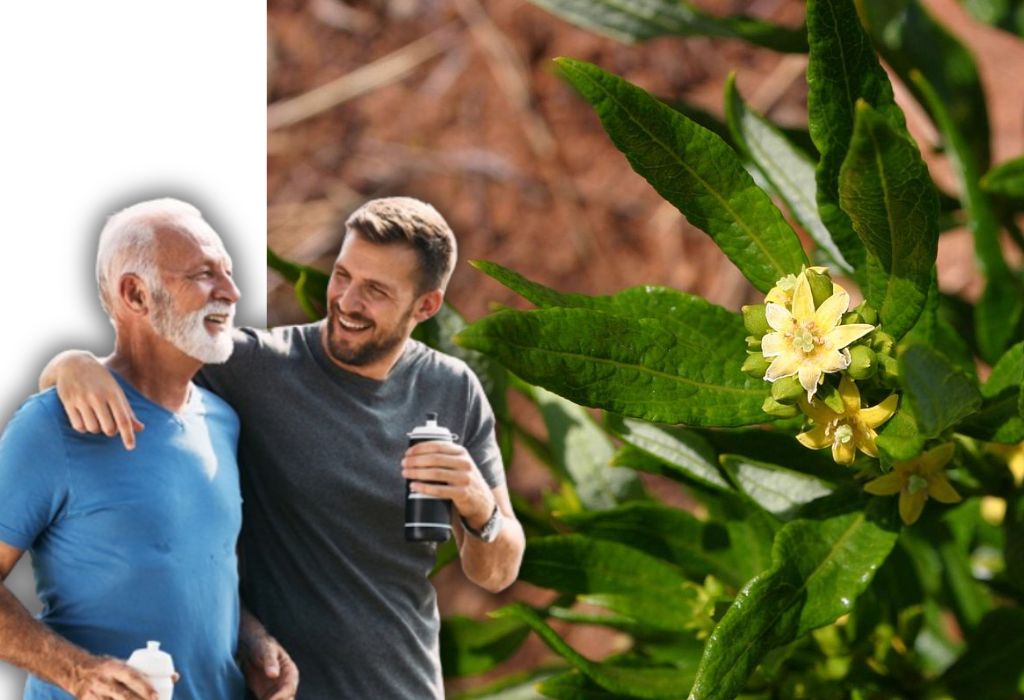
Fadogia agrestis is a shrub or subshrub in the coffee family (Rubiaceae), native to West Africa through South Sudan. Botanists now list it as Vangueria agrestis, and both names appear in research papers. It is used in traditional African medicine for pain, inflammation and as an aphrodisiac. A 2010 survey of Ghana's herbal markets reported that tons of Fadogia agrestis bark were exported each year.
On timing, the evidence is simple to summarize: there is none in people. We found:
- No human trial of Fadogia agrestis for any outcome, at any dose or time of day.
- No study comparing morning and evening use, use with or without food, or use before exercise.
- No study of "cycling" (taking it for some weeks, then pausing) against continuous use, in people or animals.
- No pharmacokinetic data, meaning nobody has measured how quickly any Fadogia compound is absorbed, how long it stays in the body, or how food changes that. Without those numbers, timing advice cannot be worked out even in theory.
The only timing detail in the research comes from rats. In one 28-day study, the rats were dosed by mouth between 8 and 9 a.m. That was a lab routine, not a test of timing.
What about "take it in the morning because testosterone peaks then"? It is true that testosterone in men is higher in the morning. In 66 men aged 30 to 80 in Boston, levels at 4 p.m. were 20–25% lower than at 8 a.m. in men in their 30s, and about 10% lower at age 70. That is why blood tests are drawn in the morning; it says nothing about Fadogia agrestis or when to take it.
What studies have tested: rats, not people
All the effect studies indexed in PubMed used male rats given a water extract of the stem. They are animal studies and cannot show what happens in people.
| Study | Animals | Extract and daily amount | Duration | What was measured | Result |
|---|---|---|---|---|---|
| Yakubu et al., 2005 | Male rats, 4 groups of 15 (5 per group tested on each of days 1, 3 and 5) | Water extract of stem; 18, 50 or 100 mg per kg of body weight | 5 days | Mating behavior, blood testosterone | Mating measures changed and testosterone rose about two-, three- and six-fold over controls at the three doses |
| Yakubu et al., 2008 | Male rats | Same extract and doses | 28 days, then 10 days off | Testes-to-body weight ratio, testicular enzymes, protein, cholesterol | Changes at all doses that the authors called adverse effects on testicular function; partial recovery after 10 days off, mainly at 18 mg/kg, which the authors read as no permanent toxicity at that dose |
| Yakubu et al., 2009 | Male rats, 4 groups of 15 | Same extract and doses | 28 days | Liver and kidney enzymes, a lipid-damage marker | Enzymes fell in liver and kidney and rose in blood; the lipid-damage marker rose at all doses; the authors suggested damage to liver and kidney cell membranes |
| Ogunro and Yakubu, 2023 | 30 male rats in 6 groups of 5; 5 groups given the antidepressant paroxetine to induce erectile dysfunction | Same extract and doses; sildenafil as comparison | Not in abstract (full text not accessible) | Penile and testicular nitric oxide, enzymes, antioxidant markers | Markers returned toward levels of untreated rats; the authors said human use should wait for clinical trials |
The 18 mg/kg dose came from an ethnobotanical survey, according to the 2005 paper. The only hormone the 2005 paper measured was testosterone. It did not measure luteinizing hormone (LH), the pituitary signal that tells the testes to make testosterone; the LH explanation appears only as a suggestion in its discussion.
Practical points the evidence supports
- Follow the label. Because no human study tested any schedule, the directions on your product's label are the only specific guidance available. Ask a healthcare professional before starting, especially if you take medicines or have a health condition.
- Morning, night, with food or without: unknown. No study supports one over another; follow your label.
- Study amounts are not doses for people. The rat studies used 18–100 mg per kg of a water extract of the stem. Product labels give milligrams of "Fadogia agrestis" and may not state the plant part or extract strength, so the two cannot be matched.
- Marker-compound levels vary. A 2019 lab analysis of 17 supplements claiming to contain Fadogia agrestis found the phenolic compounds it measured in 12, at 0.3–2.7 mg per day of use, and none in the other five.
- Plant part may differ. The rat studies used stem; the export trade described in Ghana was in bark. Check whether your label names the part.
Safety
There are no human safety data for Fadogia agrestis: no trial has recorded side effects in people, and we found no published case report. What exists is a signal from rats.
- Testes. In the 28-day rat study, every dose changed testicular enzymes, protein and relative weight in ways the authors called adverse effects on testicular function. After 10 days without the extract, the rats recovered on only some measures, mainly at the lowest dose; the authors read this as no permanent toxicity at that dose.
- Liver and kidney. In another 28-day rat study, the extract lowered several enzymes in liver and kidney tissue while raising them in blood, and raised a marker of lipid damage at every dose. No rats died or showed outward signs of illness. The organs did not change in weight, and the paper reports no tissue examination under the microscope.
- Interactions. We found no study of Fadogia agrestis with any medicine. That is an absence of data, not evidence of safety. People taking hormone therapy, medicines for erectile dysfunction, blood-pressure medicines or drugs processed by the liver have no data to go on.
- Who should be careful. Men who are trying to have children, given the testicular findings in rats; anyone with liver or kidney disease; and anyone pregnant or breastfeeding, for whom there are no data at all.
- Regulation. We found no monograph or safety review of Fadogia agrestis from the NIH, FDA, EMA, EFSA or Health Canada. In the United States, the FDA states that it "does not have the authority to approve dietary supplements before they are marketed," so a product being on sale does not mean it was tested.
What research does not establish
- That Fadogia agrestis raises testosterone, improves libido or affects exercise in people.
- That any time of day, meal timing or pre-workout use changes its effects.
- That cycling (for example, three weeks on and one week off) is safer or works better than daily use.
- Whether the testicular, liver and kidney changes seen in rats happen in people, and at what amount.
- That it is safe to combine with tongkat ali or any other ingredient; no study has tested a combination.
How we reviewed the evidence
On November 5, 2026, we searched PubMed for "fadogia" (20 records) and "Vangueria agrestis" (3 records), and checked articles PubMed lists as similar to the main rat study. We searched ClinicalTrials.gov for Fadogia and Fadogia agrestis as an intervention and in all fields; it held no records. We also searched the web for human trials or case reports and for pages from the NIH, FDA, EMA, EFSA and Health Canada, and found none about Fadogia agrestis (Health Canada's ingredient database could not be queried). We read the abstracts of every Fadogia agrestis study in PubMed, and the full text of the 2005 and 2009 rat studies; the 2008 and 2023 studies were available to us as abstracts only. A few other rat studies appear only in journals PubMed does not index; we did not review them. We excluded studies of other Fadogia species, chemistry-only papers except where they bear on identity or product contents, and a lab study of malaria parasites. We checked that none of the cited studies has been retracted. Vinatura did not run any of these studies.
Vinatura Research Perspective
We asked the timing question the way we would for any ingredient: which form was tested, in whom, at what amount, and at what time of day. For Fadogia agrestis, the answer to "in whom" ends the inquiry: rats only, and a water extract of the stem made in one Nigerian laboratory. The old version of this page said morning use helps energy and focus, night use helps muscle recovery, some users notice changes within one to two days, and 500–1,000 mg a day is the right amount. We could not find a source for any of those statements, and we removed them.
Comparing the papers, two points stood out. First, the studies cited online as showing that Fadogia raises testosterone come from the same research group that reported adverse testicular, liver and kidney changes with the same extract and doses. A summary that cites only the testosterone result leaves out the rest. Second, cycling advice may draw on the 10-day recovery seen in rats, but that experiment stopped the extract once; it did not compare an on-off schedule with daily use, and the recovery was partial. The Vinatura product described below also carries a 3-weeks-on, 1-week-off direction on its product page; we found no study, in people or animals, that tested that pattern.
Our assessment: evidence on timing is absent; evidence on effects in people is absent; the animal safety signal is consistent across studies but comes from one laboratory, and we found no independent repeat. A placebo-controlled human trial of a named, chemically characterized Fadogia agrestis extract, with hormone levels, semen measures and liver and kidney tests, would change this view. So would a basic absorption study in people.
Where this ingredient appears in Vinatura products
Tongkat Ali Fadogia Agrestis 1200mg lists 400 mg of Fadogia agrestis per serving, with 500 mg tongkat ali and a 300 mg proprietary blend of L-arginine and L-citrulline; 30 servings per bottle. The product page text does not state the Fadogia plant part or extract ratio. Its directions say to take 2 capsules per day, with or without food, daily for 3 weeks, then 1 week off. The page also says to consult a physician first and not to use it if pregnant or nursing. The studies above did not test this product.
Frequently asked questions
What is the best time to take Fadogia agrestis? No study has tested any time of day in people, so there is no evidence-based best time. Follow your product label.
Should I take Fadogia agrestis in the morning or at night? No research compares the two. The claim that morning use matches the morning testosterone peak has not been tested with Fadogia.
Do you need to cycle Fadogia agrestis? No study has compared cycling with daily use. Rats recovered partly in the 10 days after a 28-day course, mainly at the lowest dose, but that was not a test of a cycling schedule.
Can I take Fadogia agrestis with tongkat ali? No study has tested the combination. Tongkat ali has its own human trials, which we review in our article on the benefits of tongkat ali; Fadogia agrestis has none.
How long does Fadogia agrestis take to work? Unknown in people. Rat studies measured changes over 5 to 28 days, which cannot be translated to humans.
References
- Royal Botanic Gardens, Kew. Plants of the World Online: Vangueria agrestis (Schweinf. ex Hiern) Lantz. Accessed November 5, 2026. powo.science.kew.org
- Yakubu MT, Akanji MA, Oladiji AT. Aphrodisiac potentials of the aqueous extract of Fadogia agrestis (Schweinf. Ex Hiern) stem in male albino rats. Asian J Androl. 2005;7(4):399-404. doi:10.1111/j.1745-7262.2005.00052.x
- Yakubu MT, Akanji MA, Oladiji AT. Effects of oral administration of aqueous extract of Fadogia agrestis (Schweinf. Ex Hiern) stem on some testicular function indices of male rats. J Ethnopharmacol. 2008;115(2):288-292. doi:10.1016/j.jep.2007.10.004
- Yakubu MT, Oladiji AT, Akanji MA. Mode of cellular toxicity of aqueous extract of Fadogia agrestis (Schweinf. Ex Hiern) stem in male rat liver and kidney. Hum Exp Toxicol. 2009;28(8):469-478. doi:10.1177/0960327109106973
- Ogunro OB, Yakubu MT. Fadogia agrestis (Schweinf. Ex Hiern) stem extract restores selected biomolecules of erectile dysfunction in the testicular and penile tissues of paroxetine-treated Wistar rats. Reprod Sci. 2023;30(2):690-700. doi:10.1007/s43032-022-01050-6
- Avula B, et al. Quantification of phenolic compounds from Fadogia agrestis and dietary supplements using UHPLC-PDA-MS. Planta Med. 2019;85(2):145-153. doi:10.1055/a-0715-1801
- van Andel T, Myren B, van Onselen S. Ghana's herbal market. J Ethnopharmacol. 2012;140(2):368-378. doi:10.1016/j.jep.2012.01.028
- Osman AG, et al. Glycosides of ursane-type triterpenoid, benzophenone, and iridoid from Vangueria agrestis (Fadogia agrestis) and their anti-infective activities. Nat Prod Res. 2020;34(5):683-691. doi:10.1080/14786419.2018.1497031
- Brambilla DJ, et al. The effect of diurnal variation on clinical measurement of serum testosterone and other sex hormone levels in men. J Clin Endocrinol Metab. 2009;94(3):907-913. doi:10.1210/jc.2008-1902
- US Food and Drug Administration. Questions and answers on dietary supplements. Content current as of August 27, 2026. fda.gov
Editorial note: This article reviews published research for educational purposes. It does not establish the effects or safety of any specific supplement, including Vinatura products, and is not medical advice. Written by Vinatura Editorial Team. Last reviewed November 2026.
Author
Product Disclaimer
Including an ingredient or study does not evaluate, endorse, or recommend any Vinatura product or any third-party product. Some ingredients discussed may not be used in any Vinatura product.
The content of the articles has not been evaluated by the Food and Drug Administration (FDA) and is not intended to promote or endorse any specific product. Any products sold on this website are not intended to diagnose, treat, cure, or prevent any disease.
Opinions and Endorsements
Any claims, statements, or opinions expressed in the articles are those of the author(s) and do not necessarily reflect the views or opinions of the manufacturers of the dietary supplement products. The products sold on this website are separate from the content of the articles and are not directly endorsed or associated with the information presented here.
Liability Disclaimer
The author(s) of the articles, website, and manufacturers of the dietary supplement products do not assume any liability for any potential consequences arising from the use of the information provided in the articles. Ingredient effects, dosages, and safety vary by individual, formulation, and context; some ingredients interact with medications or may be unsuitable during pregnancy or lactation. It is recommended that individuals consult with a qualified healthcare professional before making any dietary or lifestyle changes, including the use of dietary supplements.
Product Usage
Please refer to the product labels and packaging for specific usage instructions and guidelines for the dietary supplement products sold on this website.
Customer Support
For any concerns or questions regarding the dietary supplement products, please contact our customer support team, who will be more than happy to assist you.


Leave a Comment
Be the first to comment.
What do you think?