

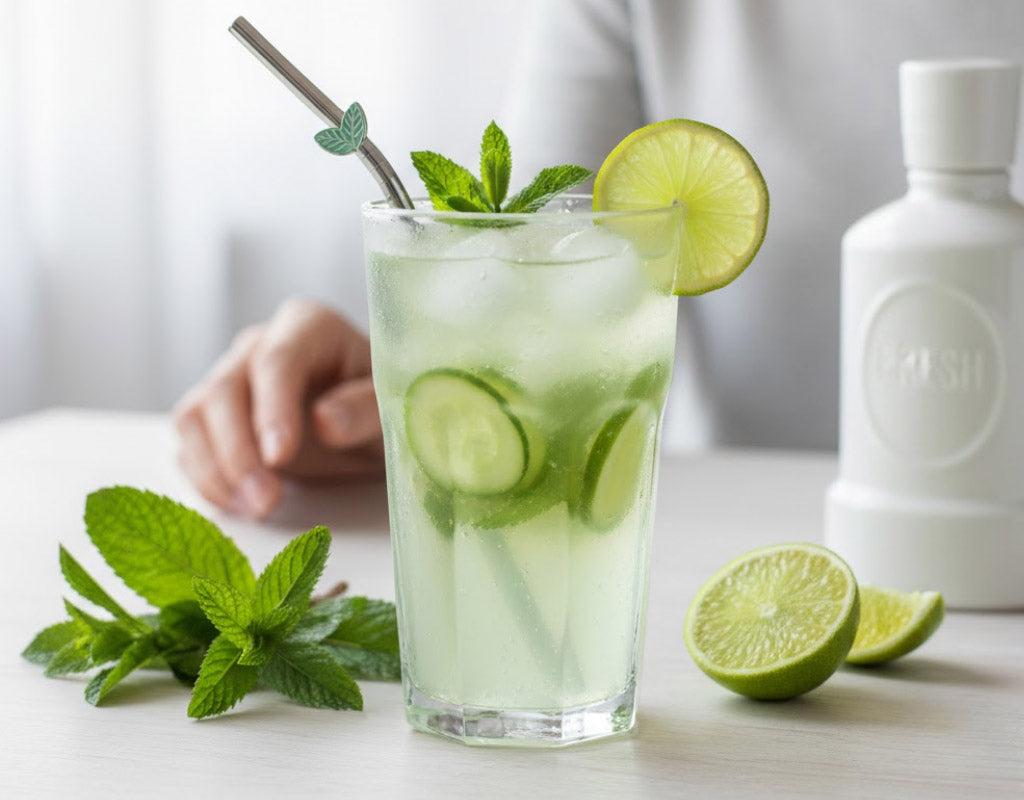
Freshen Up Fast: What’s the Best Drink for Bad Breath?
Bad breath is a common issue that can dent anyone’s confidence. It often stems from dry mouth, bacteria, certain foods, or digestive issues. This article explores the best drinks that naturally freshen breath, while highlighting ones to avoid, which can worsen odors.
Before exploring further, please read the disclaimer located at the end of this webpage.
Key Takeaways
- Green tea cuts bad breath by 38.61% with polyphenols [8].
- Water reduces odor by 60% via saliva flow [13].
- Probiotics like Lactobacillus help balance mouth bacteria [10].
- Avoid sugary drinks; they feed odor-causing bacteria [12].
- Herbal teas like peppermint mask odors naturally [3].
Best Drinks for Bad Breath: Natural Ways to Keep Your Breath Fresh
Green Tea
Green tea, a cherished global beverage from the Camellia sinensis plant, has been valued for centuries for its refreshing taste and breath-freshening qualities.
Packed with polyphenols, especially catechins, it boasts natural antibacterial and antioxidant properties that combat odor-causing bacteria like Porphyromonas gingivalis and Prevotella species [1,7,8].
These compounds neutralize volatile sulfur compounds (VSCs), the main source of bad breath, creating a cleaner mouth [8].

How to use
Enjoy 1–3 cups daily or use cooled green tea as a mouthwash after brushing to clear bacteria and debris [1,8].
Black Tea and Arabic Coffee
Similar to green tea, both black tea and Arabic coffee are natural options for reducing bad breath. Black tea, derived from Camellia sinensis, contains polyphenols such as tannins and catechins that exhibit antibacterial and antioxidant properties to suppress odor-causing bacteria [7].
In a clinical trial involving 17 healthy men, rinsing with black tea reduced hydrogen sulfide levels by 33% after two hours [7].
Arabic coffee, brewed from Coffea beans and often blended with cardamom, provides even stronger effects. Its caffeic and chlorogenic acids helped reduce volatile sulfur compounds by up to 85% in laboratory tests [7].
The same study showed that Arabic coffee decreased hydrogen sulfide by nearly 50%, outperforming black tea [7].
However, because caffeine may cause dry mouth, it’s best to pair coffee with water to support saliva flow and sustain breath freshness [9,13]. Both beverages deliver short-term benefits, most pronounced within the first hour after consumption [7].
Water
Water stands out as a simple yet powerful ally. Saliva, nature’s mouth cleanser, fights odor-causing bacteria, viruses, and fungi while clearing food debris [9]. Drinking water regularly keeps saliva flowing, countering dry mouth—a common cause of morning bad breath [2,9].
Sipping water after meals, especially after garlic or onions, or throughout the day helps wash away bacteria and debris [8]. Community feedback emphasizes water’s role in keeping the mouth hydrated to combat bad breath.*
For best results, choose plain water over sugary drinks, as sugar can reduce saliva’s effectiveness [6,12].
Herbal Extracts

Herbal extracts like peppermint, fennel, and parsley bring a fragrant twist to combating bad breath. Used in teas or mouthwashes, these plant-based remedies deliver antibacterial and odor-neutralizing benefits with minimal side effects compared to chemical products [3].
Peppermint and fennel, packed with essential oils, target bacteria like Porphyromonas gingivalis and boost saliva to clear oral debris [3,11].
Oils such as tea tree and eucalyptus also reduce volatile sulfur compounds (VSCs), though their effects are often short-lived [5,11].
Abdolhosein Moghbel showed in his study (2011) that herbal mouthwashes can rival standard chemical rinses in lowering VSC levels [5].
For instance, YouTube channel Yoga & You highlights chewing mint leaves for quick freshness.*
Avoid ingesting undiluted essential oils, and choose alcohol-free options for children or pregnant women [1]. These herbs offer a natural, aromatic path to fresher breath [12].
Related article: Top 20 Herbal Remedies for Bad Breath Relief
Probiotic Drinks
Complementing the aromatic benefits of herbal extracts, probiotic drinks like kombucha and yogurt beverages offer a unique approach to fresher breath by balancing oral and gut microbiomes.
Probiotics, such as Lactobacillus strains and Streptococcus salivarius K12, create a low-pH environment that discourages odor-causing bacteria [14].
JP Burton’s study (2006) with 13 participants with high volatile sulfur compound (VSC) levels showed significant VSC reduction after one and two weeks of using S. salivarius K12 [10].
Remember, choose products with live cultures and minimal sugar, as excess sugar can feed harmful bacteria [14]. Probiotic drinks show growing promise for breath freshness [10,14].

Read more: 6 Best Probiotics Supplements for Breath and Halitosis
Essential Oil Drinks
Essential oil drinks, like those with food-grade peppermint or cardamom, offer a fragrant way to freshen breath, building on the microbial balance from probiotics. Historically used for their aromatic qualities, these oils contain compounds that mask odors and fight bacteria [3,4].
Peppermint oil, widely cherished, also supports saliva flow for a cleaner mouth [3]. Add a drop of food-grade oil to water or tea for a refreshing drink. Use only certified food-grade oils, as pure oils can be harmful if ingested improperly.
Drinks to Avoid
Coffee
While Arabic coffee was noted for its breath-freshening potential, regular coffee can worsen bad breath despite some benefits.
Enjoyed worldwide, coffee contains caffeine, which reduces saliva flow, creating a dry mouth environment where odor-causing bacteria thrive [7,13]. Its aromatic compounds can also linger, contributing to unpleasant breath [6].
Alcoholic Beverages

Unlike the breath-freshening potential of herbal drinks, alcoholic beverages like rum, gin, and whiskey can worsen bad breath.
These drinks produce strong-smelling compounds after being metabolized, leaving an unpleasant odor almost immediately [6]. Alcohol also reduces saliva flow, creating a dry mouth where odor-causing bacteria thrive [6,9].
Regular drinking may further disrupt gut bacteria, adding to the issue [6]. To lessen the effects, drink plenty of water after consuming alcohol to support saliva’s natural cleansing action [9].
Brushing teeth or eating can also help reduce temporary bad breath. Limiting alcohol intake is key to maintaining fresher breath [6].
Sugary Soft Drinks/Carbonated Beverages

Sugary soft drinks and carbonated beverages can intensify bad breath, unlike the refreshing effects of water. Packed with sugar, these drinks fuel bacteria in the mouth, producing acids and volatile sulfur compounds (VSCs) that create unpleasant odors [1,12].
Sugar clings to teeth, encouraging bacterial growth [12]. The acidic nature of carbonated drinks also erodes enamel, making it easier for odor-causing bacteria to thrive [3].
Other Tips for Fresh Breath: Supplements That Help Reduce Odor Naturally
Beyond the drinks that freshen or harm your breath, supplements provide an easy extra boost for natural odor reduction. Oral probiotics, such as Lactobacillus salivarius in chewable mint forms, help balance mouth bacteria and neutralize sulfur compounds [11].
Other options include zinc, which binds to odor-causing elements [7]; chlorophyll for gentle masking [5]; and CoQ10 for antibacterial support [11].
Choose products with independent testing, like CoA, ISO certification, or Clean Label Project seals, ensuring quality and safety, plus clear dosage labels (e.g., 1-2 tablets daily).
Always consult a doctor before starting if you're on medications or have digestive, liver, or kidney concerns. These supplements complement your routine for lasting freshness.
Frequently Asked Questions
1. Does Coke Help With Bad Breath?
Coke’s sugar and acid may briefly mask bad breath but feed bacteria and harm enamel, worsening odors over time [12]. Opt for water instead.
2. Does Drinking Apple Cider Vinegar Help With Bad Breath?
Apple cider vinegar may balance bacteria in some cases, but its acidity can erode enamel; dilute it and use sparingly [3]. Consult a dentist for regular use.
3. Does Coffee Make Bad Breath Worse?
Coffee can worsen bad breath due to its aroma and drying effect on the mouth; drinking water alongside helps reduce this [7,13].
4. Does Drinking Lemon Juice Get Rid Of Bad Breath?
Lemon juice may temporarily mask odors and boost saliva, but its acidity can erode enamel; dilute and use sparingly [3].
5. What Tea Is Good For Bad Breath?
Green tea, rich in polyphenols, and herbal teas help freshen breath temporarily [1,3]. Avoid adding sugar for best results.
Conclusion
Combating bad breath is easier with smart drink choices like green tea, water, and probiotics, while steering clear of sugary or alcoholic beverages. These natural options support fresher breath but work best alongside regular brushing and flossing.
Curious about more ways to boost your confidence with a fresh smile? Explore additional oral care tips and consult a dentist for personalized advice
Testimonial Disclaimer
*The testimonials presented on this website are provided by individuals based on their personal experiences with our products. These testimonials represent individual opinions and experiences, which may not be typical or applicable to all users of our products. Results may vary depending on a variety of factors, including individual health, lifestyle, and adherence to product usage instructions.References
- [1] Moghbel, Abdolhosein. “The Effect of Green Tea on Prevention of Mouth Bacterial Infection, Halitosis, and Plaque Formation on Teeth.” Iranian Journal of Toxicology, vol. 5, no. 14, 10 Oct. 2011, ijt.arakmu.ac.ir/browse.php?a_id=105&slc_lang=en&sid=1&printcase=1&hbnr=1&hmb=1, pp. 502–515, Accessed 15 Oct. 2025.
- [2] Schemel-Suárez, Mayra, et al. “Halitosis Assessment and Changes in Volatile Sulfur Compounds after Chewing Gum: A Study Performed on Dentistry Students.” Journal of Evidence Based Dental Practice, vol. 17, no. 4, Dec. 2017, pp. 381–388, https://doi.org/10.1016/j.jebdp.2017.06.001. Accessed 18 Feb. 2020.
- [3] J, Keren Nisha, et al. “Effect of Herbal Extracts on Oral Microorganisms.” Kristu Jayanti Journal of Core and Applied Biology (KJCAB), 26 Dec. 2022, pp. 10–14, www.kristujayantijournal.com/index.php/ijls/article/view/2262, https://doi.org/10.59176/kjcab.v2i1.2262. Accessed 27 Feb. 2024.
- [4] Manion, Chelsea R., and Rebecca M. Widder. “Essentials of Essential Oils.” American Journal of Health-System Pharmacy, vol. 74, no. 9, 1 May 2017, pp. e153–e162, https://doi.org/10.2146/ajhp151043.
- [5] Carvalho, M D, et al. “Impact of Mouthrinses on Morning Bad Breath in Healthy Subjects.” Journal of Clinical Periodontology, vol. 31, no. 2, 2004, pp. 85–90, https://doi.org/10.1111/j.0303-6979.2004.00452.x. Accessed 8 Dec. 2019.
- [6] Dal Rio, Ana Cristina Coelho, et al. “Halitose: Proposta de Um Protocolo de Avaliação.” Revista Brasileira de Otorrinolaringologia, vol. 73, 1 Dec. 2007, pp. 835–842, https://doi.org/10.1590/S0034-72992007000600015.
- [7] Alzoman, Hamad, et al. “Efficacy of Arabic Coffee and Black Tea in Reducing Halitosis: A Randomized, Double-Blind, Controlled, Crossover Clinical Trial.” Healthcare, vol. 9, no. 3, 1 Mar. 2021, p. 250, https://doi.org/10.3390/healthcare9030250. Accessed 25 Aug. 2022.
- [8] Rassameemasmaung, Supanee, et al. “Effect of Green Tea Mouthwash on Oral Malodor.” ISRN Preventive Medicine, vol. 2013, 2013, pp. 1–6, https://doi.org/10.5402/2013/975148.
- [9] Bakdash, Bashar, et al. “Counseling and Treating Bad Breath Patients: A Step-By-Step Approach.” The Journal of Contemporary Dental Practice, vol. 2, no. 2, 2001, pp. 8–21, https://doi.org/10.5005/jcdp-2-2-8. Accessed 9 Aug. 2020.
- [10] Knaan, T, et al. “O23 Predicting Bad Breath in the Non‐Complaining Population.” Oral Diseases, vol. 11, no. s1, Mar. 2005, pp. 105–106, https://doi.org/10.1111/j.1601-0825.2005.01105_23.x. Accessed 15 Oct. 2025.
- [11] Levin, L, and M Rosenberg. “P1 Bad Breath among Young Israeli Recruits.” Oral Diseases, vol. 11, no. s1, Mar. 2005, pp. 106–106, https://doi.org/10.1111/j.1601-0825.2005.01105_24.x. Accessed 15 Oct. 2025.
- [12] Lodhia, Parth, et al. “Effect of Green Tea on Volatile Sulfur Compounds in Mouth Air.” Journal of Nutritional Science and Vitaminology, vol. 54, no. 1, 1 Feb. 2008, pp. 89–94, https://doi.org/10.3177/jnsv.54.89. Accessed 1 Mar. 2020.
- [13] Van der Sluijs, E., et al. “The Effect of Water on Morning Bad Breath: A Randomized Clinical Trial.” International Journal of Dental Hygiene, vol. 14, no. 2, 1 May 2016, pp. 124–134, https://doi.org/10.1111/idh.12149. Accessed 30 June 2020.
- [14] Sutula, Justyna, et al. “The Effect of a Commercial Probiotic Drink ContainingLactobacillus Caseistrain Shirota on Oral Health in Healthy Dentate People.” Microbial Ecology in Health & Disease, vol. 24, no. 0, 29 Oct. 2013, https://doi.org/10.3402/mehd.v24i0.21003.
Author
Product Disclaimer
Including an ingredient or study does not evaluate, endorse, or recommend any Vinatura product or any third-party product. Some ingredients discussed may not be used in any Vinatura product.
The content of the articles has not been evaluated by the Food and Drug Administration (FDA) and is not intended to promote or endorse any specific product. Any products sold on this website are not intended to diagnose, treat, cure, or prevent any disease.
Opinions and Endorsements
Any claims, statements, or opinions expressed in the articles are those of the author(s) and do not necessarily reflect the views or opinions of the manufacturers of the dietary supplement products. The products sold on this website are separate from the content of the articles and are not directly endorsed or associated with the information presented here.
Liability Disclaimer
The author(s) of the articles, website, and manufacturers of the dietary supplement products do not assume any liability for any potential consequences arising from the use of the information provided in the articles. Ingredient effects, dosages, and safety vary by individual, formulation, and context; some ingredients interact with medications or may be unsuitable during pregnancy or lactation. It is recommended that individuals consult with a qualified healthcare professional before making any dietary or lifestyle changes, including the use of dietary supplements.
Product Usage
Please refer to the product labels and packaging for specific usage instructions and guidelines for the dietary supplement products sold on this website.
Customer Support
For any concerns or questions regarding the dietary supplement products, please contact our customer support team, who will be more than happy to assist you.


Leave a Comment
Be the first to comment.
What do you think?