

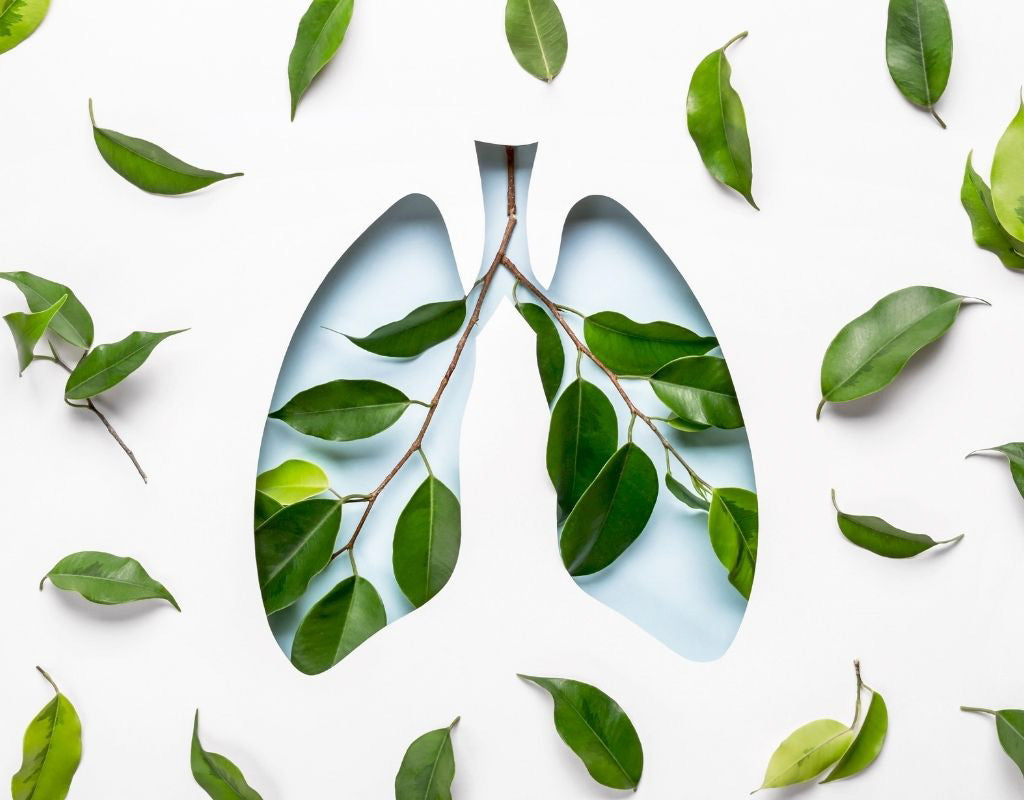
12 Best Teas for Lung Health
Drinking certain herbal teas may help soothe the respiratory tract, reduce irritation, and provide antioxidant support for overall lung health.
From peppermint and ginger to lesser-known options like mullein and calendula, each tea offers unique compounds that can promote easier breathing and comfort during seasonal changes.
This guide highlights 12 of the best teas for lung health, summarizing their key properties so you can choose the ones that fit your needs.
Before exploring further, please read the disclaimer located at the end of this webpage.
Key Takeaways
- Herbal teas may help soothe the respiratory tract and ease irritation.
- Each tea offers unique antioxidants or natural compounds linked to lung support.
- Options like ginger, peppermint, and mullein are commonly used for breathing comfort.
- Teas should be seen as supportive, not a replacement for medical treatment.
Best Tea for Lung Health: A Quick Table
|
Tea |
Key Benefits |
|
Calendula Tea |
Reduces inflammation, protects cells |
|
Dandelion Root Tea |
Supports natural detoxification |
|
Peppermint Tea |
Provides cooling sensation, clears airways |
|
Elderberry Tea |
Boosts immune system |
|
Ginger Tea |
Soothes throat, helps reduce inflammation |
|
Licorice Root Tea |
Calms cough, protects respiratory tissues |
|
Thyme Tea |
Provides natural antibacterial support |
|
Mullein Tea |
Soothes throat, supports mucus clearance |
|
Green Tea |
Rich in EGCG antioxidants |
|
Chrysanthemum Tea |
Cools the body, eases irritation |
|
Tangerine Puerh Tea |
Aids digestion, reduces lung pressure |
|
Eucalyptus Tea |
Clears airways, supports easier breathing |
12 Herbal Teas for Lung Health: Detailed Overview
Calendula Tea
Calendula flowers are rich in flavonoids and carotenoids, compounds known for their anti-inflammatory and cell-protective properties. When brewed into tea, they may help soothe sensitive tissues in the respiratory tract and ease dryness or irritation.
Studies suggest that calendula extract can help reduce oxidative stress and inflammatory responses, which may support overall lung comfort (Kirichenko et al., 2020) [1].
Dandelion Root Tea
Dandelion root stands out for its high polyphenol content, which can help neutralize free radicals and moderate inflammation in the body. This herbal tea is also linked with liver detoxification support.
When the liver functions efficiently, the process of eliminating toxins becomes smoother, which may reduce the burden on the lungs. Some preclinical findings also indicate that dandelion root extract could help relax airway smooth muscles, contributing to easier breathing [2].

Peppermint Tea
The menthol oil in peppermint leaves brings a cooling sensation and easier breathing, especially useful when the body shows signs of nasal congestion or airway irritation. Enjoying a cup of peppermint tea not only provides refreshment but also helps users feel clearer in their breathing.
Studies on menthol show that this compound may improve the perception of airflow during breathing, contributing to reduced discomfort in the airways [3].

Elderberry Tea
Elderberries contain high levels of anthocyanins and vitamin C, often mentioned in products that support immune health. Some clinical studies suggest that elderberry extract may shorten the duration and reduce the severity of upper respiratory symptoms during flu season (Tiralongo et al., 2016) [4].
On forums such as Reddit, many people share that elderberry syrup is not only pleasant to drink but also helps soothe dry cough, ease nasal congestion, and provide quick comfort, especially when combined with honey *.

Ginger Tea
Ginger tea is known for its spicy flavor and warm aroma, containing important compounds such as gingerol and shogaol. These active substances are not only anti-inflammatory and antioxidant but may also relax airway muscles, thereby reducing breathing discomfort and supporting airway flow (Townsend et al., 2013) [5].
Drinking ginger tea regularly may soothe an irritated throat, reduce scratchiness, and support mucus clearance, especially during seasonal changes or cold weather. Beyond benefits for the lungs, ginger tea also supports blood circulation and strengthens natural defenses.

Licorice Root Tea
Licorice, a well-known herb for lung health in traditional medicine, is rich in glycyrrhizin and flavonoids that may help regulate immunity and reduce inflammation.
Drinking licorice tea may soothe the respiratory lining, thereby reducing throat dryness and supporting protection of cells from oxidative stress (Licorice Root: Usefulness and Safety, 2020) [6].
In addition, this tea brings a natural sweet taste, making it easy to enjoy and often used to ease coughing. However, use should be moderate, since too much may cause side effects such as water retention or high blood pressure. It is a suitable choice when short-term respiratory support is needed.

Thyme Tea
Thymol and carvacrol in thyme leaves have antibacterial properties, helping inhibit the growth of respiratory bacteria and supporting natural mucus clearance (Bernd Kemmerich et al., 2011). When consumed as tea, thyme may soothe the throat, reduce coughing, and improve chest heaviness.
Many natural cough remedies also combine thyme with ivy leaves to increase effectiveness. This is a gentle but useful choice for those who want to care for their respiratory system with natural methods.

Mullein Tea
Mullein tea is often used to soothe the throat and support mucus clearance. This plant contains a large amount of mucilage, a natural substance that can coat the mucous membranes, helping reduce throat irritation and ease coughing.
When consumed as tea, mullein supports the expulsion of mucus, clears the airways, and provides more comfort when the throat is irritated. In addition, mullein also has anti-inflammatory and antiviral properties that help enhance protection of the respiratory system against environmental factors [8].

Green Tea
Green tea is well known for containing catechins, especially EGCG, a powerful antioxidant. These compounds help protect lung tissue from free radical damage and reduce oxidative stress, a factor related to many chronic respiratory conditions.
Some epidemiological studies have also indicated that regular consumption of green tea is associated with a lower risk of developing chronic obstructive pulmonary disease (COPD) [9].

Chrysanthemum Tea
Chrysanthemum tea has long been used in traditional medicine as a drink that helps cool the body and reduce burning sensations. Chrysanthemum flowers contain many flavonoids and antioxidants that help reduce inflammation and soothe the respiratory tract [10].
Drinking chrysanthemum tea regularly may help ease an irritated throat, support sleep, and reduce stress. Its light and pleasant flavor makes it popular not only for health support but also for relaxation.
Related article: How to Improve Lung Health After Smoking

Tangerine Puerh Tea
The combination of fermented Puerh tea and dried tangerine peel creates a drink with a distinctive flavor and health benefits. Tangerine peel contains hesperidin, a natural antioxidant with anti-inflammatory effects, while Puerh tea is rich in polyphenols that support metabolism and reduce oxidative stress.
When consumed regularly, this tea may not only support better digestion but also indirectly reduce the toxin burden on the liver and lungs [11].

Eucalyptus Tea
Eucalyptus tea contains cineole, a natural compound notable for thinning mucus and reducing inflammation. When consumed as tea or inhaled as steam, many people feel clearer airways and less nasal congestion.
This tea may help ease coughing and provide a soothing, relaxing feeling. In addition, eucalyptus has antibacterial properties that help protect the body from certain respiratory pathogens [12].

Conclusion
Choosing the best teas for lung health can be a simple way to support everyday breathing comfort. Herbal teas for lung health such as ginger, mullein, or peppermint provide soothing effects that may ease throat irritation, reduce oxidative stress, and help keep the airways clear.
While these teas for lung health bring gentle benefits, they should be viewed as complementary rather than primary care. For lasting results, enjoy them in moderation and pair with a balanced lifestyle and professional guidance.
Testimonial Disclaimer
*The testimonials presented on this website are provided by individuals based on their personal experiences with our products. These testimonials represent individual opinions and experiences, which may not be typical or applicable to all users of our products. Results may vary depending on a variety of factors, including individual health, lifestyle, and adherence to product usage instructions.References
- [1] Kirichenko TV, Sobenin IA, Markina YV, Gerasimova EV, Grechko AV, Kashirskikh DA, Romanenko EB, Wu WK, Orekhov AN. Clinical Effectiveness of a Combination of Black Elder Berries, Violet Herb, and Calendula Flowers in Chronic Obstructive Pulmonary Disease: The Results of a Double-Blinded Placebo-Controlled Study. Biology (Basel). 2020 Apr 22;9(4):83. doi: 10.3390/biology9040083. PMID: 32331341; PMCID: PMC7235828.
- [2] Zhao P, Liu J, Ming Q, Tian D, He J, Yang Z, Shen J, Liu QH, Yang X. Dandelion extract relaxes mouse airway smooth muscle by blocking VDLCC and NSCC channels. Cell Biosci. 2020 Oct 28;10:125. doi: 10.1186/s13578-020-00470-8. PMID: 33133515; PMCID: PMC7592536.
- [3] Willis DN, Liu B, Ha MA, Jordt SE, Morris JB. Menthol attenuates respiratory irritation responses to multiple cigarette smoke irritants. FASEB J. 2011 Dec;25(12):4434-44. doi: 10.1096/fj.11-188383. Epub 2011 Sep 8. PMID: 21903934; PMCID: PMC3236628.
- [4] Tiralongo E, Wee SS, Lea RA. Elderberry Supplementation Reduces Cold Duration and Symptoms in Air-Travellers: A Randomized, Double-Blind Placebo-Controlled Clinical Trial. Nutrients. 2016 Mar 24;8(4):182. doi: 10.3390/nu8040182. PMID: 27023596; PMCID: PMC4848651.
- [5] Townsend EA, Siviski ME, Zhang Y, Xu C, Hoonjan B, Emala CW. Effects of ginger and its constituents on airway smooth muscle relaxation and calcium regulation. Am J Respir Cell Mol Biol. 2013 Feb;48(2):157-63. doi: 10.1165/rcmb.2012-0231OC. Epub 2012 Oct 11. PMID: 23065130; PMCID: PMC3604064.
- [6] National Center for Complementary and Integrative Health. (2025, April). Licorice root. https://www.nccih.nih.gov/health/licorice-root
- [7] Kemmerich B, Eberhardt R, Stammer H. Efficacy and tolerability of a fluid extract combination of thyme herb and ivy leaves and matched placebo in adults suffering from acute bronchitis with productive cough. A prospective, double-blind, placebo-controlled clinical trial. Arzneimittelforschung. 2006;56(9):652-60. doi: 10.1055/s-0031-1296767. PMID: 17063641.
- [8] Rachael Ajmera (2025, May 23). Mullein tea: Uses, benefits, and side effects. Healthline. https://www.healthline.com/nutrition/mullein-tea
- [9] Kirichenko, T. V., Sobenin, I. A., Markina, Y. V., Gerasimova, E. V., Grechko, A. V., Kashirskikh, D. A., Romanenko, E. B., Wu, W. K., & Orekhov, A. N. (2020). Clinical effectiveness of a combination of black elder berries, violet herb, and calendula flowers in chronic obstructive pulmonary disease: The results of a double-blinded placebo-controlled study. Biology, 9(4), 83. https://doi.org/10.3390/biology9040083
- [10] Liu G, Zheng Q, Pan K, Xu X. Protective effect of Chrysanthemum morifolium Ramat. ethanol extract on lipopolysaccharide induced acute lung injury in mice. BMC Complement Med Ther. 2020 Jul 25;20(1):235. doi: 10.1186/s12906-020-03017-z. PMID: 32711512; PMCID: PMC7381867.
- [11] Zhang HM, Wang CF, Shen SM, Wang GL, Liu P, Liu ZM, Wang YY, Du SS, Liu ZL, Deng ZW. Antioxidant phenolic compounds from Pu-erh tea. Molecules. 2012 Nov 27;17(12):14037-45. doi: 10.3390/molecules171214037. PMID: 23187287; PMCID: PMC6268774.
- [12] Fischer J, Dethlefsen U. Efficacy of cineole in patients suffering from acute bronchitis: a placebo-controlled double-blind trial. Cough. 2013 Nov 21;9(1):25. doi: 10.1186/1745-9974-9-25. PMID: 24261680; PMCID: PMC3842692.
Author

Product Disclaimer
Including an ingredient or study does not evaluate, endorse, or recommend any Vinatura product or any third-party product. Some ingredients discussed may not be used in any Vinatura product.
The content of the articles has not been evaluated by the Food and Drug Administration (FDA) and is not intended to promote or endorse any specific product. Any products sold on this website are not intended to diagnose, treat, cure, or prevent any disease.
Opinions and Endorsements
Any claims, statements, or opinions expressed in the articles are those of the author(s) and do not necessarily reflect the views or opinions of the manufacturers of the dietary supplement products. The products sold on this website are separate from the content of the articles and are not directly endorsed or associated with the information presented here.
Liability Disclaimer
The author(s) of the articles, website, and manufacturers of the dietary supplement products do not assume any liability for any potential consequences arising from the use of the information provided in the articles. Ingredient effects, dosages, and safety vary by individual, formulation, and context; some ingredients interact with medications or may be unsuitable during pregnancy or lactation. It is recommended that individuals consult with a qualified healthcare professional before making any dietary or lifestyle changes, including the use of dietary supplements.
Product Usage
Please refer to the product labels and packaging for specific usage instructions and guidelines for the dietary supplement products sold on this website.
Customer Support
For any concerns or questions regarding the dietary supplement products, please contact our customer support team, who will be more than happy to assist you.


Leave a Comment
Be the first to comment.
What do you think?