

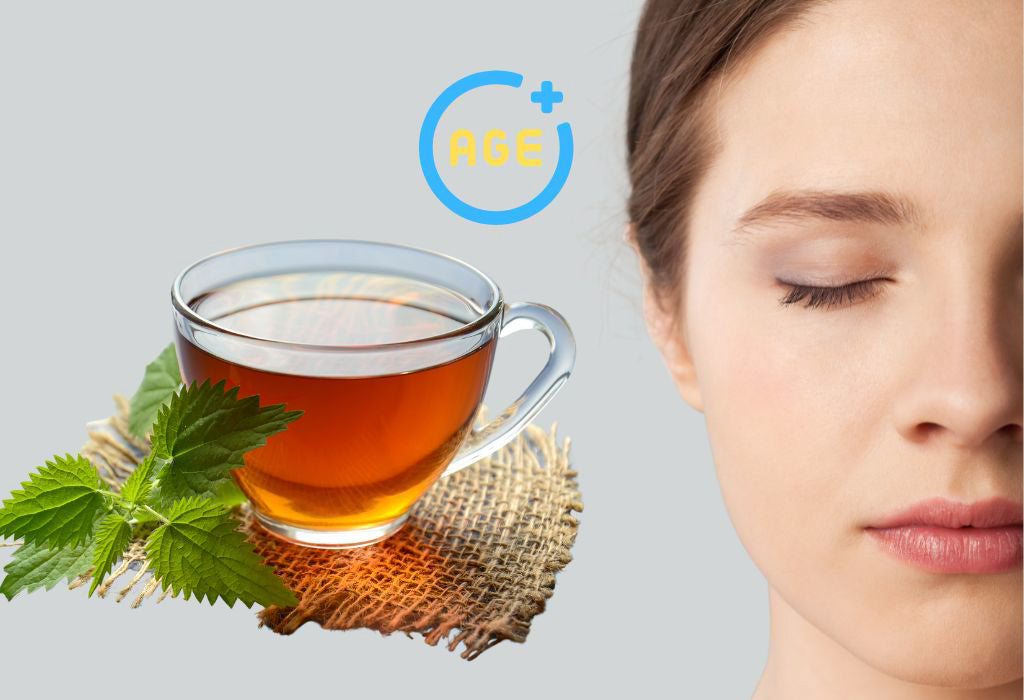
Best Teas for Anti-Aging: Sip Your Way to Youthful Health
Aging is a natural part of life, but with good nutrition and healthy habits, it's possible to slow the process. Among the many “superfoods” that support rejuvenation, tea stands out as a simple, natural, and effective option.
Teas rich in polyphenols, flavonoids, and catechins may help reduce inflammation and protect cells from oxidative damage—key contributors to aging. Whether you're aiming for radiant skin, a stronger immune system, or sharper focus, incorporating tea into your daily routine is a smart and accessible step.
Before exploring further, please read the disclaimer located at the end of this webpage.
Key Takeaways
- Tea contains EGCG, polyphenols, and flavonoids that may help reduce oxidative stress.
- Green tea and matcha are often associated with skin, heart, and brain health.
- Herbal teas like chamomile, rooibos, and hibiscus may support relaxation and overall well-being.
- The health impact of tea depends on its quality, preparation, and timing of consumption.
- Tea is not a replacement for supplements but can complement a healthy lifestyle.
Why Tea Can Help Fight Aging from Within
Tea is rich in polyphenols and powerful antioxidants like EGCG (epigallocatechin gallate), which help neutralize free radicals and protect cells from oxidative stress — a key driver of aging. The catechins in tea have been shown to reduce inflammation and may help protect against oxidative stress [1].
A study involving nearly 14,000 participants in China and the UK found that regular tea consumption may help slow down biological aging. Individuals who either started drinking tea or maintained a daily tea habit showed signs of slower aging.
The most noticeable effect was observed at around 3 cups of tea per day (equivalent to 6–8 grams of tea leaves). These findings suggest that drinking tea is not only a relaxing ritual but also a potential contributor to long-term health and youthfulness [2].
“Consuming around 3 cups of tea or 6–8 g of tea leaves per day may offer the most evident anti-aging benefits.”
— Tea consumption and attenuation of biological aging: a longitudinal analysis from two cohort studies (Xiang et al., 2023)
Green tea, in particular, has been noted for its potential to improve cardiovascular health and support overall well-being, thanks to its antioxidant content.
Polyphenols in green tea, especially EGCG, work synergistically to neutralize free radicals and reduce inflammation — helping to protect the heart, brain, and skin from premature aging.
While these effects have been observed in animal studies [3], additional human trials are needed to validate the benefits.
Top 12 Anti-Aging Teas You Should Try
Green Tea
Green tea (unfermented Camellia sinensis) has a delicate flavor and is commonly grown in Japan and China. It’s especially rich in catechins, with EGCG being one of the most potent antioxidants.
EGCG may help protect skin cells from free radical and UV damage, while also supporting brain function and alertness. Studies show that regular consumption of green tea may help reduce inflammation, lower LDL cholesterol, and support heart health [1].
A review by Dietz and Dekker (2017) highlighted that key compounds in green tea — such as caffeine and L-theanine — may improve mood and concentration. Caffeine enhances alertness and work performance, while L-theanine promotes relaxation and reduces stress.
Together, they support focused calmness without overstimulation. Matcha, a concentrated form of green tea, offers even higher levels of these beneficial compounds and is increasingly popular for its brain-boosting and mood-enhancing effects [5].
Note: Due to its caffeine content, green tea is best consumed in the morning or after meals, especially for those sensitive to stimulants.
White Tea
White tea is made from young tea leaves that are minimally processed and barely fermented, giving it a light, naturally sweet aroma and flavor. Like green tea, it contains high levels of polyphenols and catechins—but possibly in even higher concentrations since it uses fresh, whole tea leaves.
A study from Kingston University found that white tea has “anti-aging potential” thanks to its high antioxidant content [6]. It also helps inhibit enzymes that break down collagen and elastin, which can reduce wrinkles [6].
As a result, white tea may help slow skin aging, improve elasticity, and minimize sun damage. Its natural anti-inflammatory properties also make it beneficial for overall health. Since white tea contains less caffeine than green tea, many people prefer to drink it in the afternoon to stay alert without disrupting sleep.
Rooibos Tea

Research by Lima et al. (2022) has identified rooibos tea as a promising herb for slowing the aging process. Rich in antioxidants, rooibos may reduce oxidative stress, inhibit protein glycation (a marker of cellular aging), protect neurons, and may support cellular health, which is important for age-related functions [7].
Additionally, rooibos may support better lipid profiles, lower blood sugar, and protect cells from damage [8]. Apart from the traditional brewing method, rooibos is also available in capsule or supplement form.
Some studies suggest that consuming around 6 cups per day (roughly 1,200 ml) may yield positive effects, though more human-based research is needed—especially concerning optimal dosage and long-term benefits [8].
Caffeine-free, rooibos is ideal for those looking to fight aging without the risk of sleep disruption, making it suitable for any time of day, including evenings.
Oolong Tea

Oolong tea, a semi-fermented variety originating in China, is gaining attention for its high antioxidant content and health-promoting potential.
Thanks to its unique processing method, oolong combines the freshness of green tea with the richness of black tea, while retaining a range of bioactive compounds that combat oxidative stress—a major factor in aging [9].
Because it uses mature tea leaves and undergoes partial fermentation, oolong tea contains a higher concentration of polyphenols than many other teas, supporting cellular and neurological anti-aging benefits [10].
Hibiscus Tea

Research has shown that extracts from hibiscus flowers, especially hibiscus acid may help slow skin aging. This compound stimulates collagen production and promotes skin hydration, while also shielding skin cells from environmental and UV damage.
Hibiscus acid also has anti-inflammatory and antioxidant effects, helping reduce common causes of wrinkles and dullness over time. This study suggests hibiscus may support skin hydration and overall appearance, though more research is needed [11].
Drinking hibiscus tea is not only enjoyable but also beneficial for the skin. Thanks to its high vitamin C content, it helps boost the body’s natural collagen production, leading to firmer skin.
It also contains the antioxidant myricetin, which helps manage collagen breakdown, and anthocyanins, which reduce oxidative stress—both of which contribute to slowing skin aging. Regular consumption of hibiscus tea also supports hydration and gentle detoxification, helping the skin appear clearer and more radiant.
Turmeric Tea
Turmeric tea, made from the root of Curcuma longa, has a warm, spicy flavor. Its main compound, curcumin, is a powerful polyphenol known for its strong anti-inflammatory and antioxidant properties [12].
Drinking turmeric tea regularly may support joint comfort, immune health, and clearer skin appearance. Recent research suggests curcumin may delay the aging process by regulating age-related proteins such as NF-κB and mTOR [13].
Additionally, turmeric supports digestion and liver detoxification. For enhanced absorption, turmeric tea is often brewed with warm water and a pinch of black pepper. This combination can promote glowing skin, reduce acne-related inflammation, and support joint health.
Matcha Tea

Matcha is a premium powdered green tea from Japan, packed with EGCG, theanine, and chlorophyll—all potent antioxidants that help protect cells from premature aging. Matcha may support healthy aging, mental clarity, and overall wellness [14].
Studies indicate that matcha contains up to 10 times more antioxidants and polyphenols than regular green tea. Despite its strong health potential, matcha is still under-researched, with only about 54 scientific studies, compared to over 35,000 studies on traditional green tea [15].
Chamomile Tea
Chamomile tea is known for its mild aroma and soothing flavor, often enjoyed for relaxation. It contains flavonoids like apigenin, which have natural anti-inflammatory and calming properties.
Multiple studies show that drinking chamomile tea may improve sleep and reduce stress, thanks to its ability to “lower inflammation and promote relaxation” [16].
Drinking chamomile before bedtime can help calm the nervous system. Caffeine-free and generally safe, chamomile tea is also associated with benefits such as menstrual cramp relief (Siti Hamidah Fadliah et al., 2024)—though consistent use is recommended to experience its full effects.
Black Tea

Black tea is fully fermented green tea, known for its rich, dark color and bold flavor. It typically contains higher caffeine levels and is packed with powerful antioxidants like theaflavins and thearubigins—polyphenols formed during the fermentation process.
Studies have shown that black tea can improve cardiovascular health, lower cholesterol, and boost mental alertness [1]. For example, regular consumption of black tea may “boost mental alertness” due to its natural caffeine content [1].
Flavonoids in black tea also help support better blood circulation (Fuchs et al., 2014). Many people report feeling more focused and energized in the morning after drinking black tea.*
Note: Because of its high caffeine content, it’s best to avoid drinking black tea in the late afternoon or evening, especially for those sensitive to caffeine.
Jasmine Tea
A study revealed that jasmine tea may help protect eye cells from UVB damage caused by sunlight—a major factor in eye aging.
With its rich antioxidant content, particularly EGCG (commonly found in tea), jasmine tea helps neutralize harmful free radicals, limit premature cell death, and maintain long-term eye health. This points to jasmine tea’s potential as a natural anti-aging solution for the eyes [17].
Jasmine tea is also favored in Ayurvedic medicine for its ability to boost cardiovascular health and increase antioxidant levels in the body. It supports detoxification, promotes a calm mood, and relieves stress.
Additionally, jasmine tea is often included in weight management programs for its potential to aid fat metabolism and support healthy weight maintenance [18].
Peppermint Tea
With its refreshing minty aroma, peppermint is a well-known culinary herb that also offers remarkable health benefits.
It contains menthol, essential oils, and antioxidants like flavonoids, which give it anti-inflammatory, antimicrobial, and immune-supporting properties. Peppermint tea may help slow aging, soothe digestion, and support immunity.
Moreover, studies have shown that Peppermint oil may help ease occasional digestive discomfort, including symptoms associated with IBS (Alammar et al., 2019).
Peppermint also has a calming effect on the nervous system. It may help enhance memory, and increase mental clarity—while also helping some people sleep better, especially those dealing with fatigue [19].
A recent study found that peppermint and Shirazi thyme extracts may slow cellular aging. In tests on mouse stem cells, these herbs helped maintain youthful cellular activity, reduced aging markers, and protected cells from damage and early death—suggesting they may help preserve internal vitality and youthfulness, although more human clinical trials are needed [20].
Ginger Tea

Ginger tea, made from fresh ginger root, has a spicy, warming flavor. Ginger contains gingerols, bioactive compounds known for their strong anti-inflammatory and antioxidant effects [21].
Drinking ginger tea supports circulation, soothes the stomach, supports joint health, and may particularly help relieve nausea and indigestion.
Multiple studies highlight ginger’s role in protecting the cardiovascular and nervous systems due to its antioxidant power, while also promoting healthy skin and reducing inflammation associated with aging [21].
Green Tea and Matcha: The Antioxidant Powerhouses
Both green tea and matcha come from the same plant (Camellia sinensis), but matcha is made by grinding the whole green tea leaves into a fine powder—making it far more concentrated in both EGCG and caffeine.
Both teas are rich in catechins, powerful antioxidants that protect the skin from UV damage and neutralize free radicals. The main difference lies in potency: matcha delivers a higher dose of antioxidants and caffeine, offering enhanced mental alertness without the jittery side effects often associated with coffee. Matcha also contains more chlorophyll and vitamins than steeped green tea.
Though the preparation methods differ (matcha is whisked into water, while green tea is steeped), their anti-aging mechanisms are similar: reducing inflammation and neutralizing oxidative stress [1]. In short:
-
Matcha is ideal if you want a high-dose antioxidant boost.
-
Green tea is better for a gentler, traditional daily brew.
Herbal Teas for Skin, Sleep, and Stress
Herbal teas, often made from adaptogenic herbs (which help the body adapt to stress) and skin-friendly botanicals, are typically caffeine-free or very low in caffeine. Some top picks include:
- Chamomile: Made from chamomile flowers, this tea is well-known for promoting sleep and reducing stress. Its flavonoids provide anti-inflammatory and calming effects. Regular consumption helps the body relax and promotes restful sleep by “reducing inflammation and supporting relaxation” [16].
- Rooibos: Naturally caffeine-free and rich in flavonoids and minerals. Rooibos has strong antioxidant and anti-inflammatory effects and is especially soothing for sensitive skin.
- Hibiscus: High in vitamin C and anthocyanins, hibiscus tea boosts collagen synthesis and protects the skin. It also helps reduce systemic inflammation, supports heart health, and improves overall skin appearance.
- Turmeric: With curcumin as its active compound, turmeric tea has potent anti-inflammatory and antioxidant properties. Considered an adaptogenic herb, turmeric tea supports joint health, skin health, and immunity. By reducing chronic inflammation, it becomes a valuable ally in anti-aging support [12].
How to Choose and Brew Anti-Aging Teas Correctly
Choosing High-Quality Tea:
- Look for organic, preservative-free teas, especially loose-leaf or whole-leaf varieties.
- Avoid bleached tea bags, which may contain unwanted chemicals.
- High-quality leaves retain more natural nutrients and antioxidants.
Brewing Tips for Maximum Benefit:
Each type of tea requires specific brewing temperatures and times to preserve its beneficial compounds:
|
Tea Type |
Water Temp |
Steeping Time |
|
White / Green Tea |
75–80°C |
2–3 minutes |
|
Oolong Tea |
90–95°C |
2–3 minutes |
|
Black / Herbal Tea |
100°C (boiling) |
5–7 minutes |
Over-steeping or using water that’s too hot can make tea taste bitter and degrade sensitive antioxidants like EGCG. Under-steeping may result in a weaker brew with fewer health benefits. For best results, use a temperature-controlled kettle or a teapot with a thermometer.
Best Times to Drink Anti-Aging Teas:
-
Morning: Green tea or matcha to energize and provide antioxidants.
-
Afternoon: Black tea or oolong for a mental and metabolic boost.
-
Evening: Chamomile or rooibos to relax and prepare for restful sleep.
By choosing the right type of tea and timing your intake, you can optimize nutrient absorption and enhance tea’s anti-aging effects throughout the day.
You may also read: When to Start Using Anti-Aging Supplements: Inner Care Guide
Can Tea Replace Anti-Aging Supplements?
While tea offers impressive health benefits thanks to its natural compounds, it cannot fully replace supplements—especially when the body lacks specific nutrients.
Tea is a whole-food source rich in antioxidants and polyphenols that help protect cells and support overall well-being. However, it does not provide adequate amounts of certain key nutrients like collagen (a structural protein), vitamin B12 (primarily found in animal products), or vitamin D3 (mainly synthesized through sunlight or obtained via supplementation). If deficiencies exist, targeted supplements are necessary to restore optimal levels.
That’s why the best approach is a balanced combination:
- Drink tea regularly to harness the natural protective power of plant-based antioxidants.
- Supplement thoughtfully to meet the body’s specific micronutrient needs when food alone isn’t enough.
In essence, tea and supplements complement each other—with tea enhancing holistic health through natural compounds, and supplements ensuring precise nutrient support.
Conclusion
Tea is more than just a traditional beverage; it can help the body stay youthful from the inside out. Choosing the right types of tea based on your health needs, whether for glowing skin, better sleep, heart health, or sharper memory, is a smart move in today’s wellness-focused lifestyle.
Pick one (or a few) favorite teas to enjoy daily as part of a healthy routine that supports long-term wellness. Healthy aging doesn’t have to be a dream, it can begin with a simple cup of tea.
Testimonial Disclaimer
*The testimonials presented on this website are provided by individuals based on their personal experiences with our products. These testimonials represent individual opinions and experiences, which may not be typical or applicable to all users of our products. Results may vary depending on a variety of factors, including individual health, lifestyle, and adherence to product usage instructions.References
- [1] Drinking tea is a great way to promote “healthy” aging. Earth.com. Published 2024. Accessed July 11, 2025. https://www.earth.com/news/drinking-tea-delays-biological-aging/
- [2] Xiang Y, Xu H, Chen H, et al. Tea consumption and attenuation of biological aging: a longitudinal analysis from two cohort studies. The Lancet Regional Health - Western Pacific. 2023;42:100955-100955. doi:https://doi.org/10.1016/j.lanwpc.2023.100955
- [3] Zaveri NT. Green tea and its polyphenolic catechins: Medicinal uses in cancer and noncancer applications. Life Sciences. 2006;78(18):2073-2080. doi:https://doi.org/10.1016/j.lfs.2005.12.006
- [5] Dietz C, Dekker M. Effect of Green Tea Phytochemicals on Mood and Cognition. Current Pharmaceutical Design. 2017;23(19):2876-2905. doi:https://doi.org/10.2174/1381612823666170105151800
- [6] White Tea Could Keep You Healthy And Looking Young. ScienceDaily. Published 2025. Accessed July 11, 2025. https://www.sciencedaily.com/releases/2009/08/090810085312.htm
- [7] Nogueira Silva Lima MT, Boulanger E, Tessier FJ, Takahashi JA. Hibiscus, Rooibos, and Yerba Mate for Healthy Aging: A Review on the Attenuation of In Vitro and In Vivo Markers Related to Oxidative Stress, Glycoxidation, and Neurodegeneration. Foods. 2022;11(12):1676. doi:https://doi.org/10.3390/foods11121676
- [8] Afrifa D, Engelbrecht L, Op’t Eijnde B, Terblanche E. The health benefits of rooibos tea in humans (aspalathus linearis)‑a scoping review. Journal of Public Health in Africa. 2023;14(11):16. doi:https://doi.org/10.4081/jphia.2023.2784
- [9] Zeng J. Research Progress on the Antioxidant Activity of Oolong Tea. BIO Web of Conferences. 2024;124:01012-01012. doi:https://doi.org/10.1051/bioconf/202412401012
- [10] Wan J, Feng M, Pan W, et al. Inhibitory Effects of Six Types of Tea on Aging and High-Fat Diet-Related Amyloid Formation Activities. Antioxidants. 2021;10(10):1513-1513. doi:https://doi.org/10.3390/antiox10101513
- [11] Wang D, Nagata M, Matsumoto M, Amen Y, Wang D, Shimizu K. Potential of Hibiscus sabdariffa L. and Hibiscus Acid to Reverse Skin Aging. Molecules. 2022;27(18):6076-6076. doi:https://doi.org/10.3390/molecules27186076
- [12] Izadi M, Sadri N, Abdi A, et al. Longevity and anti-aging effects of curcumin supplementation. GeroScience. 2024;46(3):2933-2950. doi:https://doi.org/10.1007/s11357-024-01092-5
- [13] Izadi M, Sadri N, Abdi A, et al. Longevity and anti-aging effects of curcumin supplementation. GeroScience. 2024;46(3):2933-2950. doi:https://doi.org/10.1007/s11357-024-01092-5
- [14] Kochman J, Jakubczyk K, Antoniewicz J, Mruk H, Janda K. Health Benefits and Chemical Composition of Matcha Green Tea: A Review. Molecules. 2020;26(1):85-85. doi:https://doi.org/10.3390/molecules26010085
- [15] Iyyakkannu Sivanesan, Gopal J, Manikandan Muthu, Chun S, Oh JW. Retrospecting the Antioxidant Activity of Japanese Matcha Green Tea–Lack of Enthusiasm? Applied Sciences. 2021;11(11):5087-5087. doi:https://doi.org/10.3390/app11115087
- [16] Morales-Brown P. What are the benefits of chamomile tea? Medicalnewstoday.com. Published January 6, 2020. Accessed July 11, 2025. https://www.medicalnewstoday.com/articles/320031
- [17] Shang H, Guo Y, Wu L, Lin J. Jasmine tea extract enhances human retinal pigment epithelial cells survival after UVB irradiation. Applied Biological Chemistry. 2023;66(1). doi:https://doi.org/10.1186/s13765-023-00779-1
- [18] Shah, Mrudula & Raj, Divya & Sharma, Deoraj. (2022). PHARMACOLOGICAL AND MEDICINAL VALUE OF JASMINE.
- [19] Kazemi A, Iraji A, Esmaealzadeh N, Salehi M, Hashempur MH. Peppermint and menthol: a review on their biochemistry, pharmacological activities, clinical applications, and safety considerations. Critical Reviews in Food Science and Nutrition. 2024;65(8):1553-1578. doi:https://doi.org/10.1080/10408398.2023.2296991
- [20] Sarikhani M, Deylam M, Alizadeh E, et al. Anti-aging effects of peppermint (Mentha piperita L.) and Shirazi thyme (Zataria multiflora Boiss.) plant extracts. Food Bioscience. 2021;41:100930. doi:https://doi.org/10.1016/j.fbio.2021.100930
- [21] Ozkur M, Benlier N, Takan I, et al. Ginger for Healthy Ageing: A Systematic Review on Current Evidence of Its Antioxidant, Anti‐Inflammatory, and Anticancer Properties. Gil G, ed. Oxidative Medicine and Cellular Longevity. 2022;2022(1). doi:https://doi.org/10.1155/2022/4748447
- [22] Siti Hamidah Fadliah, Sri Dinengsih, & Siti Syamsiah. (2024). Effectiveness Of Chamomile Tea On Dysmenorrhoea Pain Scale In Adolescent Girls. JKM (Jurnal Kebidanan Malahayati), 10(7). https://doi.org/10.33024/jkm.v10i7.1436
- [23] Fuchs, D., De Graaf, Y., Van Kerckhoven, R., & Draijer, R. (2014). Effect of Tea Theaflavins and Catechins on Microvascular Function. Nutrients, 6(12), 5772–5785. https://doi.org/10.3390/nu6125772
- [24] N. Alammar, Wang, L., Saberi, B., Nanavati, J., Holtmann, G., Shinohara, R. T., & Mullin, G. E. (2019). The impact of peppermint oil on the irritable bowel syndrome: a meta-analysis of the pooled clinical data. BMC Complementary and Alternative Medicine, 19(1). https://doi.org/10.1186/s12906-018-2409-0
Author
Product Disclaimer
Including an ingredient or study does not evaluate, endorse, or recommend any Vinatura product or any third-party product. Some ingredients discussed may not be used in any Vinatura product.
The content of the articles has not been evaluated by the Food and Drug Administration (FDA) and is not intended to promote or endorse any specific product. Any products sold on this website are not intended to diagnose, treat, cure, or prevent any disease.
Opinions and Endorsements
Any claims, statements, or opinions expressed in the articles are those of the author(s) and do not necessarily reflect the views or opinions of the manufacturers of the dietary supplement products. The products sold on this website are separate from the content of the articles and are not directly endorsed or associated with the information presented here.
Liability Disclaimer
The author(s) of the articles, website, and manufacturers of the dietary supplement products do not assume any liability for any potential consequences arising from the use of the information provided in the articles. Ingredient effects, dosages, and safety vary by individual, formulation, and context; some ingredients interact with medications or may be unsuitable during pregnancy or lactation. It is recommended that individuals consult with a qualified healthcare professional before making any dietary or lifestyle changes, including the use of dietary supplements.
Product Usage
Please refer to the product labels and packaging for specific usage instructions and guidelines for the dietary supplement products sold on this website.
Customer Support
For any concerns or questions regarding the dietary supplement products, please contact our customer support team, who will be more than happy to assist you.


Leave a Comment
Be the first to comment.
What do you think?