

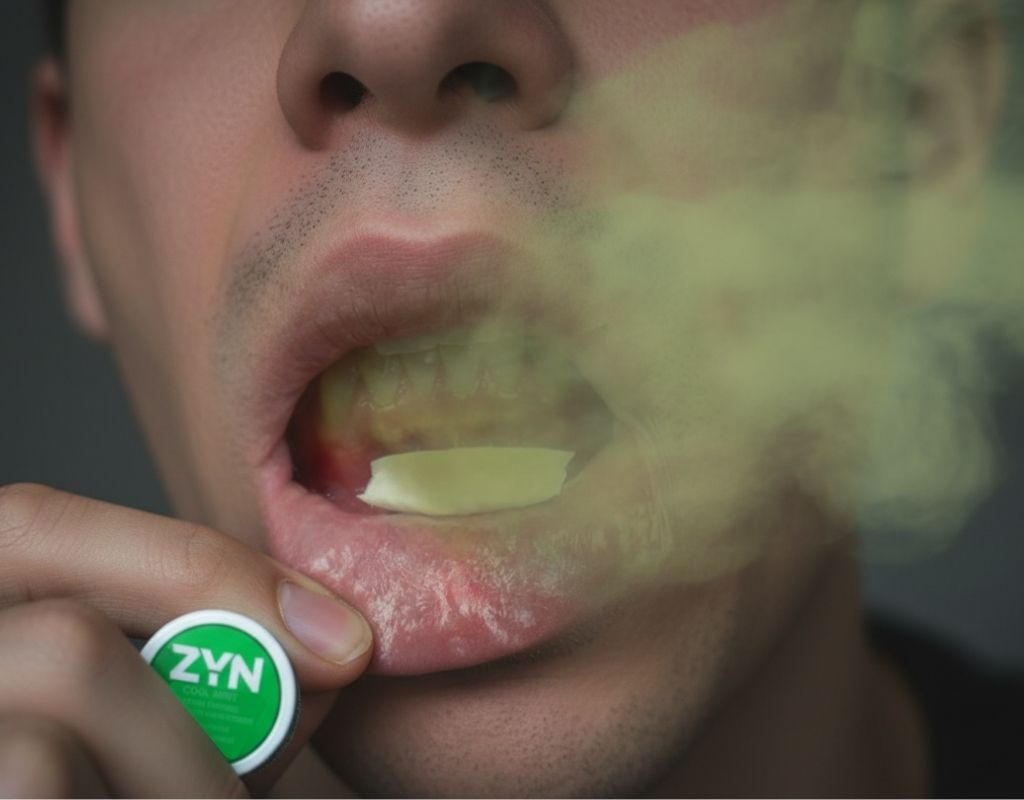
Do Zyns Cause Bad Breath? The Truth Behind the Myth
A number of people who use Zyn have reported that their breath feels less fresh afterward, raising the question of whether Zyns are truly linked to bad breath.*
Although nicotine pouches are frequently promoted as a cleaner option compared to traditional smoking, they may still impact oral health in ways that influence how fresh your breath remains.
The following outlines what the evidence says and provides practical strategies for maintaining fresh breath.
Before exploring further, please read the disclaimer located at the end of this webpage.
Key Takeaways
- Zyns do not directly produce odor, but they can cause dry mouth and gum irritation, which may increase the risk of bad breath.
- Nicotine pouches reduce saliva flow, creating favorable conditions for odor-causing bacteria and plaque buildup.
- Staying hydrated, practicing good oral hygiene, chewing sugar-free gum, or using mouthwash can help lower the risk of bad breath.
Do Zyns Cause Bad Breath?
Possibly yes. Research indicates that nicotine pouches like Zyn can lead to dry mouth, gum irritation, and changes in oral tissue.

These effects encourage bacterial growth, which increases the likelihood of persistent unpleasant breath (Dulyapong Rungraungrayabkul et al., 2024).
At first, minor dryness or a slightly stale breath might go unnoticed, but over time it can become more pronounced, making it harder to maintain lasting freshness and daily comfort.
Zyns and Bad Breath: The Oral Impact Explained
Nicotine in pouches like Zyns can reduce saliva production, cause dry mouth, and create favorable conditions for bacterial growth.
Saliva plays an important role in neutralizing acids, removing food debris, and preventing the development of odor-causing bacteria.
When saliva decreases, bacteria can easily adhere to the surface of teeth and gums, form plaque, and produce unpleasant odors. Therefore, even without smoke, nicotine pouches still have the potential to cause bad breath.
A study published on PubMed (2024) found that users of nicotine pouches had higher levels of pathogenic bacteria in their saliva compared to non-users, thereby increasing the risk of bad breath (Sintija Miluna-Meldere et al., 2024).
How Zyn Influences Oral Health
Even though Zyn is positioned as a healthier choice compared to smoking, consistent use can negatively impact oral health. Consistent exposure can contribute to gum disease as bacteria accumulate along the gum line and tooth decay resulting from persistent dry mouth.
It may also lead to heightened tooth sensitivity to food and drinks, along with lingering bad breath that affects daily confidence. Beyond the physical effects, dealing with ongoing oral discomfort can also take a toll on self-esteem and social interactions [3].

Small issues that begin with dry mouth or mild odor may gradually develop into more serious dental complications if left unaddressed. If you currently use Zyn or are considering it, consulting your dentist is essential to safeguard and maintain long-term oral health.
Easy Tips to Keep Your Breath Fresh
To minimize the risk of bad breath when using Zyn, the first step is to stay well-hydrated. Maintaining proper fluid intake not only keeps the oral cavity moist but also stimulates saliva production, which helps reduce dry mouth [4], a common issue among nicotine pouch users.
As one Reddit user noted, “Nicotine dehydrates you - just make sure you are drinking as much or more water than previously, especially surrounding your Zyn use.”*
Next, pay close attention to oral hygiene after each use. Brushing your teeth and cleaning your tongue, along with flossing, effectively removes plaque buildup and odor-causing bacteria [5].
In addition, chewing sugar-free gum can stimulate saliva flow and provide short-term freshness [6], while using an antibacterial mouthwash can further enhance cleaning and reduce harmful bacteria. Simple habits that help eliminate bad breath permanently.
Frequently Asked Questions
1. Does The Mint Flavor In Zyn Keep Your Breath Fresh For Long?
Yes, the mint flavor in ZYN can keep your breath feeling fresh for an extended period. The flavor typically lasts 40 - 45 minutes before fading, with the minty taste holding strong for most of the pouch’s duration. However, the initial intensity often tapers off after about 30 minutes, leaving behind a milder aftertaste.
2. Is Bad Breath Only a Problem for Smokers?
No. While smoking is a known risk factor, most cases of bad breath come from oral causes like tongue coating, gum disease, or dry mouth. Diet, certain medications, and health conditions such as GERD (Gastroesophageal Reflux Disease) or diabetes can also contribute [7].
Conclusion
So, do Zyns cause bad breath? The answer is that while Zyns themselves do not directly produce odor, their side effects, especially dry mouth, can create the perfect conditions for bad breath.
By staying hydrated, maintaining good oral hygiene, and using simple aids like sugar free gum or mouthwash, you can minimize the risk. In short, Zyns may contribute to halitosis, but with proper care, it does not have to be a lasting problem.
Testimonial Disclaimer
*The testimonials presented on this website are provided by individuals based on their personal experiences with our products. These testimonials represent individual opinions and experiences, which may not be typical or applicable to all users of our products. Results may vary depending on a variety of factors, including individual health, lifestyle, and adherence to product usage instructions.References
- [1] Rungraungrayabkul, D., Gaewkhiew, P., Vichayanrat, T. et al. What is the impact of nicotine pouches on oral health: a systematic review. BMC Oral Health 24, 889 (2024). https://doi.org/10.1186/s12903-024-04598-8
- [2] Miluna-Meldere, S., Rostoka, D., Broks, R., Viksne, K., Ciematnieks, R., Skadins, I., & Kroica, J. (2024). The Effects of Nicotine Pouches and E-Cigarettes on Oral Microbes: A Pilot Study. Microorganisms, 12(8), 1514. https://doi.org/10.3390/microorganisms1208151
- [3] Z K, Siluvai S, Kanakavelan K, Agnes L, Kp I, G K. Mental and Oral Health: A Dual Frontier in Healthcare Integration and Prevention. Cureus. 2024 Dec 23;16(12):e76264. doi: 10.7759/cureus.76264. PMID: 39845207; PMCID: PMC11753583.
- [4] Assy, Z., Bikker, F.J., Picauly, O. et al. The association between oral dryness and use of dry-mouth interventions in Sjögren’s syndrome patients. Clin Oral Invest 26, 1465–1475 (2022). https://doi.org/10.1007/s00784-021-04120-2
- [5] Choi HN, Cho YS, Koo JW. The Effect of Mechanical Tongue Cleaning on Oral Malodor and Tongue Coating. Int J Environ Res Public Health. 2021 Dec 23;19(1):108. doi: 10.3390/ijerph19010108. PMID: 35010368; PMCID: PMC8751028.
- [6] Karami-Nogourani M, Kowsari-Isfahan R, Hosseini-Beheshti M. The effect of chewing gum's flavor on salivary flow rate and pH. Dent Res J (Isfahan). 2011 Dec;8(Suppl 1):S71-5. PMID: 23372599; PMCID: PMC3556288.
- [7] Mayo Clinic Staff (2023). Bad breath. Mayo Clinic. https://www.mayoclinic.org/diseases-conditions/bad-breath/symptoms-causes/syc-20350922
Author

Product Disclaimer
Including an ingredient or study does not evaluate, endorse, or recommend any Vinatura product or any third-party product. Some ingredients discussed may not be used in any Vinatura product.
The content of the articles has not been evaluated by the Food and Drug Administration (FDA) and is not intended to promote or endorse any specific product. Any products sold on this website are not intended to diagnose, treat, cure, or prevent any disease.
Opinions and Endorsements
Any claims, statements, or opinions expressed in the articles are those of the author(s) and do not necessarily reflect the views or opinions of the manufacturers of the dietary supplement products. The products sold on this website are separate from the content of the articles and are not directly endorsed or associated with the information presented here.
Liability Disclaimer
The author(s) of the articles, website, and manufacturers of the dietary supplement products do not assume any liability for any potential consequences arising from the use of the information provided in the articles. Ingredient effects, dosages, and safety vary by individual, formulation, and context; some ingredients interact with medications or may be unsuitable during pregnancy or lactation. It is recommended that individuals consult with a qualified healthcare professional before making any dietary or lifestyle changes, including the use of dietary supplements.
Product Usage
Please refer to the product labels and packaging for specific usage instructions and guidelines for the dietary supplement products sold on this website.
Customer Support
For any concerns or questions regarding the dietary supplement products, please contact our customer support team, who will be more than happy to assist you.


Leave a Comment
Be the first to comment.
What do you think?