

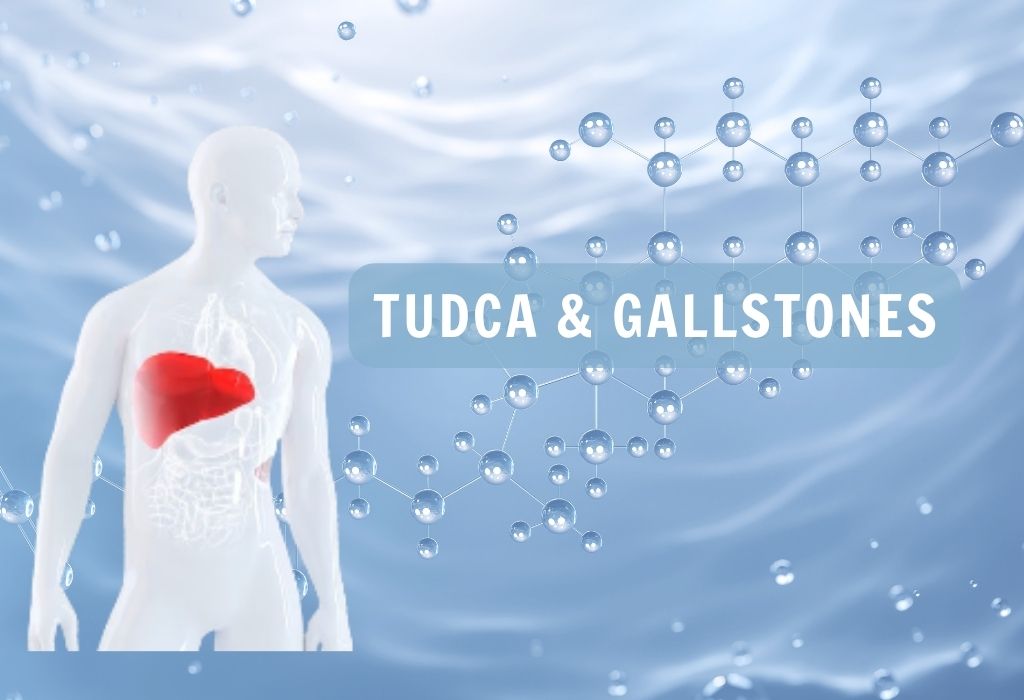
TUDCA Dosage For Gallstones & Its Benefits For Gallbladder
Gallstones are a common condition that affects millions of people worldwide. They are solid particles that form in the gallbladder, a small organ beneath the liver. They can vary in size and composition and may cause pain or discomfort if they block the normal flow of bile. While surgery is often recommended as the primary treatment option for gallstones, there are also alternative options available, including TUDCA supplementation. In this article, this article will discuss the recommended TUDCA dosage for gallstones and its benefits for the gallbladder.
Before exploring further, please read the disclaimer located at the end of this webpage.
Key Takeaways
- Gallstones stem from bile imbalance: Sluggish, cholesterol-rich bile is a primary driver of gallstone formation.
- TUDCA improves bile quality: It reduces cholesterol saturation and enhances bile flow, supporting gallbladder function.
- Research supports preventive benefits: Studies suggest TUDCA lowers the risk of gallstone formation by correcting bile composition.
- Standard dosing requires oversight: A common dose is 250 mg/day, but medical guidance is essential for safe use.
- TUDCA is supportive, not curative: It may help manage risk and symptoms but does not replace surgery in severe cases.
The Importance Of Gallbladder

The gallbladder is a small, pear-shaped organ located beneath the liver. Here are some reasons why gallbladder is important:
- Gallbladder stores and concentrates bile, a digestive fluid produced by the liver. When needed, the gallbladder releases bile into the small intestine to aid in the digestion and absorption of fats. [4]
- Bile acids boost energy usage, lower obesity caused by diet, and stop fat buildup in the liver. [1]
- Mucins in bile contribute to the lubrication and protection of the digestive tract, aiding in the smooth passage of food through the intestines.
- Mucins help maintain the stability of the mucous layer in the digestive system, providing a protective barrier against harmful substances and facilitating nutrient absorption. [5]
Should You Use TUDCA For Gallstones?

TUDCA (tauroursodeoxycholic acid) is a bile acid that has been used for decades to treat various liver conditions. However, recent research highlights its vital role in managing gallstones and maintaining overall gallbladder health.
Addressing the Root Cause: Bile Sludge and Pathogens Before gallstones even form, many individuals deal with "sludgy bile"—a thick, stagnant digestive fluid that doesn't flow easily. This sluggishness is a primary precursor to stone formation. Moreover, stagnant bile creates an ideal breeding ground for pathogens and parasites to hide. TUDCA acts as a powerful intervention by thinning this "sludge," promoting healthy bile flow, and helping to flush out unwanted microorganisms before they cause further complications.
Scientifically Proven Benefits:
- Reducing Cholesterol Saturation: Studies show that TUDCA effectively reduces the cholesterol content within gallbladder bile. By lowering the cholesterol saturation index (CSI), it significantly decreases the rate of stone formation [2].
- Improving Bile Composition: Research on laboratory models indicates that TUDCA significantly decreases levels of cholesterol, phospholipids, and total lipids in the gallbladder, preventing the chemical imbalance that leads to painful stones [2].
A Note of Caution: While TUDCA is a promising supportive supplement, its use for gallstones should be approached with care. Always seek personalized medical advice for your individual health needs and consult with your healthcare provider before starting TUDCA or any other supplement regimen.
You also read: The Benefits of TUDCA for Weight Loss: Is It Really Effective
Mechanism Of TUDCA For Gallstones
Research discovered that TUDCA helps stop gallstones. It does this by making bile acids more water-friendly, which prevents the absorption of cholesterol in the intestines, lowers cholesterol levels in the liver, and reduces the release of cholesterol into bile. This overall lowers the risk of having too much cholesterol in the gallbladder, which is linked to gallstone formation [2]
Moreover, TUDCA can hinder the absorption and production of fats in the small intestine by positively impacting the gut bacteria. This, in turn, helps lower the likelihood of developing gallstones. [2]
In the end, using TUDCA not only boosted the production of bile acids in the liver but also lowered the buildup of cholesterol in both the blood and the liver. [2]

TUDCA Dosage For Gallstones
The recommended dosage for TUDCA is to take 250 mg per day [6]. The dosage of 250 mg per day for TUDCA in individuals with gallstones is a general recommendation that can vary depending on the specific circumstances and guidance from a healthcare professional.
It's important to note that the dosage and duration of TUDCA can vary depending on factors such as the severity of gallstones, individual response, and any other underlying health conditions. Consulting with a healthcare professional is crucial to determine the most appropriate dosage for your specific situation.
Read more: Can You Take TUDCA On An Empty Stomach?
Benefits Of TUDCA For Gallbladder
TUDCA is a systemic metabolic agent that supports the "Gut-Liver Axis" far beyond simple bile production.
1. Gallbladder & Bile Support
- Dissolving Stones: Increases bile acid content and lowers the cholesterol saturation index (CSI) to prevent and reduce gallstone formation [2].
- Improving Bile Flow: Prevents bile stasis (stagnation), reducing the risk of gallbladder sludge and inflammation.
- Protection: Offers anti-inflammatory and antioxidant properties that shield gallbladder cells from oxidative stress [7, 8].
2. Microbiome & Gut Health
- Microbiome Modulation: Positively alters the balance of gut bacteria, which directly influences how the body processes bile and prevents stones [2].
- Intestinal Barrier Support: Strengthens the gut lining (tight junctions), reducing systemic inflammation and improving nutrient absorption.
- Lipid Metabolism: Optimizes the breakdown and absorption of fats within the small intestine [2].
3. Systemic Protective Effects
- Liver: Potent hepatoprotective properties that reduce liver fat and cholesterol levels [2].
-
Brain & Eyes: Reduces neuronal degeneration and protects against synaptic toxicity. It also aids Vitamin A absorption for better vision.
You may also like: What are the Benefits of TUDCA for Body Building?
What Should You Be Aware Of When Taking TUDCA For Gallstones?
Does TUDCA Dissolve Gallstones? Please note that TUDCA is often used as a supportive supplement for gallstones. Gallstones cannot be individually removed from the gallbladder, so if they cause severe pain or infection, the entire gallbladder may need to be removed.
Tauroursodeoxycholic Acid (TUDCA) is a dietary supplement commonly used for managing gallstones and other bile-related disorders. However, it's important to be aware that it can have significant side effects. These may include symptoms such as nausea, vomiting, abdominal pain, diarrhea, and constipation. [3]
When choosing a TUDCA supplement, it's essential to look for high-quality products that undergo rigorous testing and quality control. High-quality TUDCA supplements are typically produced through advanced methods, ensuring the product is pure, effective, and free from harmful contaminants. Using a low-quality TUDCA product could increase the risk of side effects or reduced effectiveness.
TUDCA can also potentially cause liver damage, and in rare instances, it may even lead to liver failure. [3]
Additionally, it's crucial to note that TUDCA can interact with other medications, so it is essential to consult with your doctor before considering or using this supplement. [3]
Natural Ways to Support Your Gallbladder Flow
While TUDCA is a powerful tool, a holistic approach can further enhance bile production and prevent gallbladder sluggishness. Here are some natural strategies to keep your gallbladder healthy:
- Incorporate Bitter Foods: Greens like arugula, dandelion root, and kale stimulate digestive enzymes and trigger the gallbladder to release bile.
- Boost Omega-3 Intake: Supplementing with Omega-3 fatty acids (found in fish oil) has been shown to improve the lipid profile of bile, potentially reducing the risk of cholesterol-driven stones.
- Utilize Herbal Support (Milk Thistle): Milk Thistle is renowned for its liver-detoxifying properties. It works synergistically with TUDCA to protect liver cells and maintain steady bile flow.
- Hydration is Key: Since bile is composed of about 95% water, staying well-hydrated is essential to prevent bile from becoming too thick or "sludgy."
- Healthy Fats: Don't avoid fats entirely. Consuming healthy fats (like avocado or olive oil) signals the gallbladder to contract and empty regularly, preventing stagnation.
Conclusion
In conclusion, TUDCA has shown promising results in reducing the risk of gallstone formation and improving bile flow in individuals with gallstones. However, it should be used with caution and under the guidance of a healthcare professional. It's also essential to consider potential side effects and interactions with other medications before using TUDCA for gallstone management. Personalized medical advice is recommended for individual health needs to determine TUDCA dosage for gallstones.
References
- [1] Housset, C., Yves Chrétien, Debray, D., & Chignard, N. (2016, June 13). Functions of the Gallbladder. ResearchGate; unknown. https://www.researchgate.net/publication/303959093_Functions_of_the_Gallbladder
- [2] Lu, Q., Jiang, Z., Wang, Q., Hu, H., & Zhao, G. (2021). The effect of Tauroursodeoxycholic acid (TUDCA) and gut microbiota on murine gallbladder stone formation. Annals of Hepatology, 23, 100289–100289. https://doi.org/10.1016/j.aohep.2020.100289
- [3] Housset, C., Yves Chrétien, Debray, D., & Chignard, N. (2016, June 13). Functions of the Gallbladder. ResearchGate; unknown. https://www.researchgate.net/publication/303959093_Functions_of_the_Gallbladder
- [4] Yada Duangnumsawang, Jürgen Zentek, & Farshad Goodarzi Boroojeni. (2021). Development and Functional Properties of Intestinal Mucus Layer in Poultry. Frontiers in Immunology, 12. https://doi.org/10.3389/fimmu.2021.745849
- [5] Ma, H., Zeng, M., Han, Y., Hu, Y., Tang, H., Sheng, J., Hu, H.-P., Cheng, L., Xie, Q., Zhu, Y., Chen, G., Gao, Z., Xie, W., Wang, J., Wu, S., Wang, G., Miao, X., Fu, X., Duan, L., & Xu, J. (2016). A multicenter, randomized, double-blind trial comparing the efficacy and safety of TUDCA and UDCA in Chinese patients with primary biliary cholangitis. Medicine, 95(47), e5391–e5391. https://doi.org/10.1097/md.0000000000005391
- [6] Ursodeoxycholic acid and lithocholic acid exert anti-inflammatory actions in the colon | American Journal of Physiology-Gastrointestinal and Liver Physiology. (2020). American Journal of Physiology-Gastrointestinal and Liver Physiology. https://journals.physiology.org/doi/full/10.1152/ajpgi.00256.2016
- [7] Marı́a José Pérez, & Briz, Ó. (2009). Bile-acid-induced cell injury and protection. World Journal of Gastroenterology, 15(14), 1677–1677. https://doi.org/10.3748/wjg.15.1677
Author
Product Disclaimer
Including an ingredient or study does not evaluate, endorse, or recommend any Vinatura product or any third-party product. Some ingredients discussed may not be used in any Vinatura product.
The content of the articles has not been evaluated by the Food and Drug Administration (FDA) and is not intended to promote or endorse any specific product. Any products sold on this website are not intended to diagnose, treat, cure, or prevent any disease.
Opinions and Endorsements
Any claims, statements, or opinions expressed in the articles are those of the author(s) and do not necessarily reflect the views or opinions of the manufacturers of the dietary supplement products. The products sold on this website are separate from the content of the articles and are not directly endorsed or associated with the information presented here.
Liability Disclaimer
The author(s) of the articles, website, and manufacturers of the dietary supplement products do not assume any liability for any potential consequences arising from the use of the information provided in the articles. Ingredient effects, dosages, and safety vary by individual, formulation, and context; some ingredients interact with medications or may be unsuitable during pregnancy or lactation. It is recommended that individuals consult with a qualified healthcare professional before making any dietary or lifestyle changes, including the use of dietary supplements.
Product Usage
Please refer to the product labels and packaging for specific usage instructions and guidelines for the dietary supplement products sold on this website.
Customer Support
For any concerns or questions regarding the dietary supplement products, please contact our customer support team, who will be more than happy to assist you.


Leave a Comment
Be the first to comment.
What do you think?