

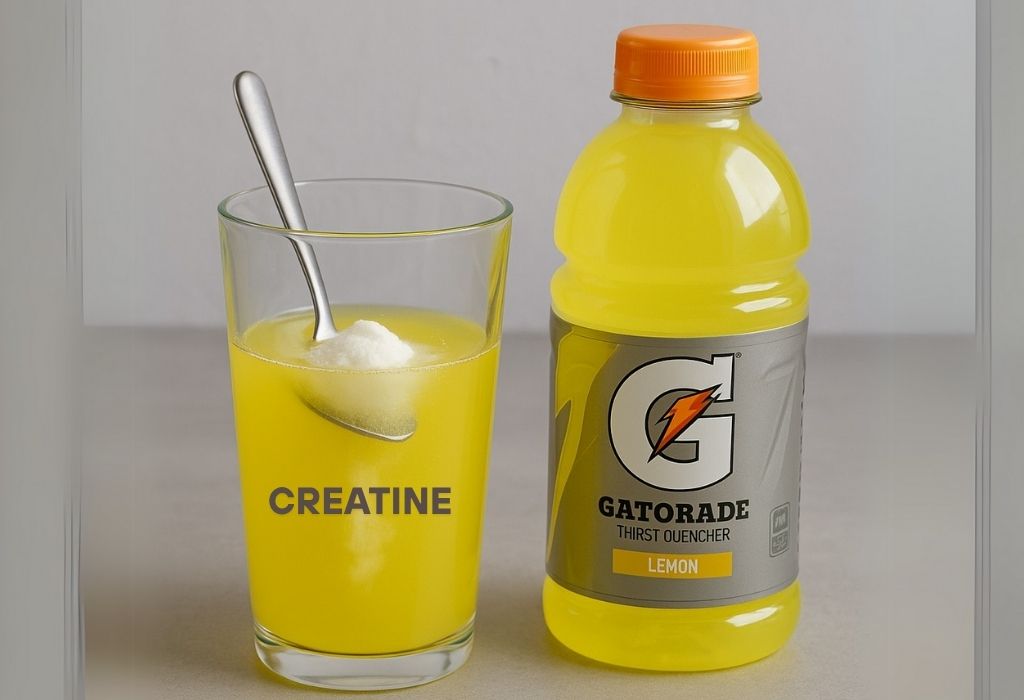
Can You Mix Creatine with Gatorade?
Creatine monohydrate can be mixed with Gatorade and consumed as part of a sports drink. Gatorade provides fluids, electrolytes, and, depending on the product, carbohydrates, while creatine supplementation helps increase muscle creatine stores over time. Some research suggests that consuming creatine with carbohydrate can increase creatine retention, but Gatorade is not required for creatine to work.
This article explains whether mixing creatine with Gatorade offers any practical advantage, how to prepare the mixture, and what to consider regarding dosage, timing, and safety.
Before exploring further, please read the disclaimer located at the end of this webpage.
Key Takeaways
- You can mix creatine with Gatorade. The carbohydrates in some Gatorade products may increase creatine retention when consumed together, but Gatorade is not necessary for creatine to be effective.
- For convenience and stability, it is reasonable to mix creatine shortly before drinking rather than leaving it in a beverage for extended periods, particularly under conditions that may accelerate degradation.
- Avoid very hot liquids when mixing creatine. Higher temperatures can accelerate creatine degradation, so room-temperature or chilled beverages are a practical choice.
- Gatorade can provide fluids and electrolytes, particularly during prolonged or intense exercise with substantial sweating. Creatine increases intracellular water content, but this should not be interpreted as a substitute for overall fluid intake.
- For creatine monohydrate, consistent daily supplementation is more important than taking it at a specific time of day.
Can You Mix Creatine with Gatorade?
Yes, you can mix creatine with Gatorade.
Gatorade is a sports drink formulated to replenish electrolytes and provide quick energy, while creatine is a popular supplement known for enhancing muscle strength and workout performance.
Yes. Creatine monohydrate can be mixed with Gatorade and consumed as part of a post-workout drink. Gatorade provides carbohydrates and electrolytes, while creatine is used to increase muscle creatine stores over time.
Some research suggests that consuming creatine with carbohydrate, particularly when carbohydrate intake is relatively high, can increase creatine retention. However, this does not mean that Gatorade is necessary for creatine to work, and the practical advantage of adding Gatorade has not been established as a requirement for most people.

First, let’s look at an overview of Creatine and Gatorade.
Creatine is a compound made from three amino acids, mainly stored as phosphocreatine in muscles to provide energy for high-intensity activities. The body can synthesize around 1g of creatine daily, and a small amount comes from food like red meat and seafood. However, the amount of creatine in food is much lower than in supplements [1].
In 1965, Dr. Robert Cade and a research team at the University of Florida invented Gatorade after discovering that football players were losing large amounts of water, salt, and sugar during games, which significantly reduced their performance.
They created a drink to replace lost electrolytes and energy, which noticeably improved athletic performance. Gatorade quickly gained popularity, became commercialized, and is now one of the leading sports drinks worldwide. This success contributed over $80 million to research at UF [2].
In one study, participants took 5g of creatine mixed with 480 ml of Gatorade after resistance training sessions (3 times per week for 14 weeks). Their results were compared with other groups (placebo, whey, and creatine + whey).
The findings showed improvements in body composition (reduced arm fat and increased lean mass) attributed to the training and supplementation (Eliot et al., 2008).

Another well-controlled study required participants to log their diet over three days to estimate daily calorie intake before starting the training program.
During the initial two weeks, the creatine group began loading the supplement by mixing it with Gatorade—a carbohydrate-containing drink commonly used during exercise—to standardize intake across participants.
The other groups received a placebo version of Gatorade to maintain the study's double-blind design.
During the training phase, participants consumed their post-workout drinks as follows:
- Placebo group: Gatorade only
- Creatine group: Creatine mixed with Gatorade
- Protein group: Whey protein mixed with Gatorade
- Creatine + Protein group: Creatine and whey protein mixed with Gatorade
All supplementation sessions were monitored to ensure proper timing and dosage.
While Gatorade served as the delivery vehicle for all supplements, the study's results focused on the effects of creatine and protein. Improvements in strength were observed across all groups, with no additional benefits directly attributed to the use of Gatorade [4].
You may also read: Creatine Vs Glutamine: Comprehensive Comparison
Despite the controlled study attributing no direct effects to Gatorade [4], anecdotal feedback from users often highlights its convenience and potential for enhancing absorption.
One person asked whether creatine can be mixed with Gatorade because they dislike plain water. Most responses agree it’s not only possible but also potentially beneficial, noting that the sugar in Gatorade might help with creatine absorption.*
User Lsa7to5 joked that only the yellow Gatorade should be used because other colors would “explode like Coke and Mentos,” and the original poster confirmed that yellow was their favorite flavor. Some users also mentioned that creatine doesn’t dissolve well, so they prefer to mix it with flavored drinks or drink it quickly without worrying too much about texture.*
In a video titled "Creatine with Gatorade Powder Post Workout Mix" from TheMuscleProgram.com, the host shared a simple yet effective method to enhance creatine absorption post-workout: mix creatine with Gatorade powder.
He used a single serving of Gatorade powder – which contains about 21 grams of simple carbohydrates – combined with creatine monohydrate. This approach not only improved taste but also leveraged the fast-absorbing carbs to boost creatine uptake into muscles.
This mix was consumed immediately after training to maximize nutrient absorption when the body is most responsive.* The video was posted on The Muscle Program’s YouTube channel, which has 2.5K subscribers, showing a modest yet engaged audience in the bodybuilding and supplement space.
Benefits of Mixing Creatine with Gatorade

Enhanced Creatine Absorption Through Insulin Response
The Role of Carbohydrates in Creatine Absorption
When consuming simple carbohydrates like those found in Gatorade, the pancreas releases insulin — an anabolic hormone that helps transport nutrients into muscle cells [5]. Insulin activates creatine transporters on the cell membrane, significantly increasing creatine uptake [6].
Additionally, creatine improves insulin sensitivity and helps the body process glucose more efficiently, creating a beneficial two-way relationship for energy metabolism and nutrient absorption [6].
On a bodybuilding forum, user raytrade asked if creatine could be mixed with Gatorade and sipped during workouts instead of using fruit juice to stimulate insulin. User IronMarc recommended drinking creatine immediately after mixing because letting it sit might reduce effectiveness.*
Meanwhile, Cogar suggested using powdered Gatorade or Powerade, which contains more dextrose than the bottled versions – making them better for increasing insulin response.*
Read more: Creatine or Beta-Alanine: Which One Should You Choose?
Sugars in Gatorade Trigger Insulin Spikes
Carbohydrates in Gatorade, such as dextrose and sucrose, quickly raise blood sugar levels, causing an insulin spike [7].
This insulin acts like a “pump” pushing creatine into muscle cells more effectively, saturating muscle creatine stores faster than when creatine is taken with water alone.
“As a consequence, body creatine retention was augmented by ∼25% for protein-CHO and high-CHO treatments compared with placebo treatment.”
— Protein- and carbohydrate-induced augmentation of whole body creatine retention in humans (Steenge et al., 2000).
This study showed that consuming creatine along with approximately 50g of protein and 50g of simple carbohydrates can raise insulin levels comparable to nearly 100g of carbohydrates, improving creatine retention in the body by about 25% [8].
Although the study suggests that combining creatine with protein and carbohydrates may increase creatine retention in the body, it had a short duration, a small sample size, did not evaluate actual performance outcomes, and involved a high sugar intake — which may pose concerns for individuals managing weight or metabolic health, especially without sufficient physical activity.
Optimizing Glycogen Resynthesis and Recovery

Combining creatine with carbohydrates increases glycogen storage in muscles post-workout. Glycogen is a key energy source for muscles in subsequent activities.
Research indicates that supplementing creatine with a high-carbohydrate diet can boost glycogen resynthesis by up to 82% within 24 hours after exercise. Gatorade provides the simple carbohydrates necessary for this process, aiding faster recovery and enhancing performance in following workouts or competitions [9].
Enhanced Hydration and Electrolyte Balance
Creatine acts as an osmolyte, meaning it draws water into muscle cells, increasing intracellular water content. This cellular hydration benefits protein synthesis and may reduce muscle cramps and dehydration [10,11].
Gatorade, containing electrolytes such as sodium and potassium, replenishes minerals lost through sweat, helping maintain the body’s fluid balance [2,12].
Together, this combination not only promotes cellular hydration but also supports whole-body hydration, reducing the risk of cramps and dehydration-related issues during intense exercise, especially in hot environments.
Are There Any Side Effects of Creatine and Gatorade Combination?

Common Side Effects of Creatine
Creatine monohydrate is generally considered safe when used at recommended doses (3–5 grams daily) [13]. However, some side effects may occur, especially at high doses or during initial use:
- Water Retention and Weight Gain: This is the most commonly reported side effect, particularly in the first days or weeks of supplementation. Weight gain is mainly due to creatine drawing water into muscle cells, increasing intracellular water. Although it may raise cosmetic concerns, this water retention is beneficial for protein synthesis and muscle growth [11].
- Digestive Issues: Some users may experience bloating, diarrhea, stomach discomfort, or nausea, especially at high doses. Staying well-hydrated can help minimize these problems [14,15]. A user named egawe774 shared that after taking 5g of creatine monohydrate daily for a month (without a loading phase), they experienced bloating and gas, especially after meals — a condition they had never experienced before.*
- Muscle Cramps and Strains: Although scientific evidence is limited and often linked to inadequate hydration, some users report cramps or muscle strains when using creatine. Maintaining proper hydration is crucial to reducing this risk [16].
- Dizziness: There have been some reports of dizziness [11].
- Effects on Kidney and Liver Function: Serious side effects like kidney or liver damage are very rare and mostly associated with extremely high doses or pre-existing health conditions. Creatine may temporarily reduce the body’s natural creatine production, but long-term effects are not well understood [11,15].

Common Side Effects of Gatorade
Gatorade is designed to rehydrate and provide energy for athletes engaged in prolonged, high-intensity physical activities [17]. However, improper consumption can lead to some side effects:
- High Sugar Content: Standard Gatorade Thirst Quencher contains a significant amount of sugar (about 34 grams of sugar in a 20-ounce bottle). For individuals with low activity levels or who do not exercise intensely enough to burn these calories, regular consumption may contribute to weight gain, increased risk of type 2 diabetes, and high blood pressure over time [17].
- Artificial Sweeteners and Colors: Low-sugar or sugar-free versions of Gatorade (such as G2 and Zero) often contain artificial sweeteners like acesulfame potassium and sucralose. While the FDA considers them safe, research on the long-term effects of these artificial sweeteners is ongoing.
User Skipper1977 believes that Gatorade contains a lot of sugar and empty calories, making it unhealthy for the average person. He recommends drinking plain water or infusing water with fresh fruit instead of Gatorade, which is mainly suitable for athletes engaging in intense workouts to replenish electrolytes.*
Potential Interactions and Effects When Combining
When combining creatine with Gatorade, side effects are usually the additive or exacerbated effects of each component’s individual side effects rather than entirely new adverse reactions.
- Risk of Dehydration: Creatine is osmotic, meaning it pulls water into muscle cells. While this benefits cellular hydration, inadequate overall water intake can increase the risk of systemic dehydration. Combining creatine with caffeine (from coffee or caffeinated drinks) may further increase dehydration risk and potentially reduce creatine’s benefits [11].
- Increased Sugar and Calorie Intake: Although sugars in Gatorade enhance creatine absorption via insulin response, frequent consumption of standard Gatorade alongside creatine may lead to excessive sugar and calorie intake, especially if you are not engaged in high-intensity or long-duration exercise. This may contribute to unwanted weight gain [13], [18].
- Interactions with Medications and Other Substances: Creatine can negatively affect kidney function, especially when taken with antiviral drugs, injected antibiotics, chemotherapy agents, immunosuppressants, osteoporosis drugs, or pain relievers like aspirin, Tylenol, Advil, and Aleve. Many other medications may also interact [15].
- Contamination Risks in Supplements: A general risk with any supplement, including creatine, is contamination with harmful or banned substances due to the lack of strict regulation in the industry. This can lead to unexpected side effects or serious health problems [19].
How to Mix Creatine with Gatorade
You can mix creatine monohydrate or creatine HCl with powdered Gatorade (pouch) or ready-to-drink bottled Gatorade. To mix, add about 5g of creatine (1 scoop) into a cup or shaker bottle that already contains Gatorade, then shake or stir vigorously to dissolve the powder. A Reddit discussion suggested avoiding mixing with very hot water (as high temperatures can degrade creatine). It’s best to mix when Gatorade is at room temperature or cold; if there’s sediment, shake again before drinking.*
- Mixing with powdered Gatorade: You can either mix the creatine into the dry Gatorade powder and then add water, or prepare the Gatorade first and then add the creatine. Stir or shake thoroughly until the powder dissolves. To avoid residue buildup, it’s best to mix right before consuming.
- Mixing with ready-to-drink Gatorade bottles: Open the bottle, add creatine, close the lid tightly, and shake vigorously. If the bottle is large, you can transfer some to a shaker bottle. Drink immediately after mixing or store in a refrigerator and consume within a few hours.
Note:
Creatine tends to settle, so shake well before drinking. If the mixture is left for too long, creatine in the solution will convert to creatinine (an inactive byproduct). High temperatures and acidic environments (Gatorade has a pH of ~3–4) accelerate this degradation. Therefore, it’s best to drink as soon as possible after mixing.
If you need to carry it with you, keep it chilled and shake again before drinking. Additionally, drink plenty of water (about 2–3 liters per day) to support creatine metabolism and maintain hydration.

Creatine Dosage
- Maintenance dose: 3–5 grams of creatine monohydrate daily. This is the common and safe dose to maintain stable muscle creatine levels [13].
-
A user who took a supplement containing creatine left a comment on Amazon, David K. Kim maintains 5g/day and reports better endurance, energy, and muscle pump.*
- Loading phase (optional): 20–25 grams per day, split into 4–5 smaller doses over 5–7 days to saturate muscles faster. Not mandatory since maintenance doses can achieve similar saturation after ~1 month [21].
Timing to Take Creatine
- Immediately post-workout: The most popular timing. Post-exercise muscles are more nutrient-sensitive with increased blood flow, facilitating creatine uptake. Research suggests better muscle and strength gains when creatine is consumed near exercise time.
“Emerging evidence suggests greater benefits when creatine is consumed after exercise compared to pre-exercise, although methodological limitations currently preclude solid conclusions.”
— Timing of Creatine Supplementation around Exercise: A Real Concern? (Ribeiro et al., 2021)
- Pre-workout: Taking creatine about 30–60 minutes before training can also be beneficial, providing muscles with nutrients ahead of exercise. Elizabeth Yogers -one user shared that drinking creatine at least one hour before training allows time for absorption.*
- Rest days: On non-training days, the goal is to maintain high muscle creatine levels. Take a maintenance dose (3–5 g) with a carbohydrate-containing meal to improve absorption [20]. Timing is less critical; morning or midday doses are fine as long as daily consistency is maintained. Taking creatine with or after meals helps due to insulin release.
Summary: The best timing is close to your workout (before, after, or split doses) to leverage increased blood flow and muscle sensitivity. The most important factor is consistent daily intake rather than strict timing.
Who Should Not Take Creatine with Gatorade?
Certain groups of people should exercise caution or completely avoid using creatine and/or Gatorade:
- Individuals with a history of kidney, liver, or high blood pressure issues: Creatine is generally not recommended for these people due to potential health risks [15].
- People with heart disease: Medical advice should be sought before using creatine or Gatorade [15].
- Pregnant or breastfeeding women: The safety of creatine use during pregnancy and lactation is not well established; therefore, it is advised to avoid use [15].
- Children and young athletes: Creatine supplementation is usually unnecessary for this group because they can naturally increase muscle mass and improve performance through proper nutrition and training. Additionally, supplements may lack strict regulation and could be contaminated [16].
- Individuals with diabetes:
- Type 2 Diabetes: Some studies suggest creatine, especially when combined with exercise, may improve glucose metabolism and insulin sensitivity. However, clinical results are inconsistent and further research is needed [6], [22].
- Type 1 Diabetes: Research is limited, and benefits seen in type 2 diabetes may not apply due to fundamental differences in insulin production. Consulting a healthcare professional is highly recommended [22].
- Type 2 Diabetes: Some studies suggest creatine, especially when combined with exercise, may improve glucose metabolism and insulin sensitivity. However, clinical results are inconsistent and further research is needed [6], [22].
Other Drinks You Can Mix with Gatorade

Gatorade is a versatile beverage that can be combined with a variety of ingredients for enhanced performance, recovery, or flavor:
- Creatine – Enhances absorption and supports muscle growth.
- BCAAs or EAAs – Help reduce muscle soreness and support exercise recovery.
- Coconut water or sea salt – Add extra potassium, magnesium, and electrolytes.
- Caffeine (from coffee or green tea) – Boosts alertness, energy, and endurance.
- Fruit juices (like orange, pineapple, or blueberry) – Add vitamins, antioxidants, and natural flavor.
- Sparkling water – Adds a refreshing fizz and helps balance the sweetness.
- Herbs and spices (like mint leaves, ginger, orange peel, or lime slices) – Provide natural aroma and taste.
- Cocktails (with vodka, tequila, or rum) – Can be turned into flavorful alcoholic drinks (use responsibly).
- Mocktails (non-alcoholic) – Combine with soda, fruit juice, ice, and garnishes like mint or citrus for a refreshing, alcohol-free option.
Conclusion
You can absolutely mix creatine with Gatorade — and you should, if your goal is to maximize absorption and post-workout recovery. The carbohydrates in Gatorade help boost insulin levels, which in turn supports more effective transport of creatine into muscle cells. However, it’s best to consume the mixture immediately after preparing, avoid letting it sit for too long, and choose the powdered form when possible. Remember, the final results still depend on your overall diet, training, and lifestyle. Combining creatine with Gatorade is just one part of a broader strategy to enhance workout performance.
Testimonial Disclaimer
*The testimonials presented on this website are provided by individuals based on their personal experiences with our products. These testimonials represent individual opinions and experiences, which may not be typical or applicable to all users of our products. Results may vary depending on a variety of factors, including individual health, lifestyle, and adherence to product usage instructions.References
- [1] Creatine. Mayo Clinic. Published 2025. Accessed May 28, 2025. https://www.mayoclinic.org/drugs-supplements-creatine/art-20347591
- [2] Gatorade: The Idea that Launched an Industry. Ufl.edu. Published 2025. Accessed May 28, 2025. https://research.ufl.edu/publications/explore/v08n1/gatorade.html
- [3] Eliot KA, Knehans AW, Bemben DA, Witten MS, Carter J, Bemben MG. The effects of creatine and whey protein supplementation on body composition in men aged 48 to 72 years during resistance training. The Journal of nutrition, health and aging. 2008;12(3):208-212. doi:https://doi.org/10.1007/bf02982622
- [4] Bemben MG, Witten MS, Carter JM, Eliot KA, Knehans AW, Bemben DA. The effects of supplementation with creatine and protein on muscle strength following a traditional resistance training program in middle-aged and older men. The journal of nutrition health & aging. 2009;14(2):155-159. doi:https://doi.org/10.1007/s12603-009-0124-8
- [5] Holesh JE, Aslam S, Martin A. Physiology, Carbohydrates. Nih.gov. Published May 12, 2023. Accessed May 29, 2025. https://www.ncbi.nlm.nih.gov/books/NBK459280/
- [6] Solis MY, Guilherme Giannini Artioli, Gualano B. Potential of Creatine in Glucose Management and Diabetes. Nutrients. 2021;13(2):570-570. doi:https://doi.org/10.3390/nu13020570
- [7] Carbohydrates and Blood Sugar - The Nutrition Source. The Nutrition Source. Published August 5, 2013. Accessed May 29, 2025. https://nutritionsource.hsph.harvard.edu/carbohydrates/carbohydrates-and-blood-sugar/
- [8] Steenge GR, Simpson EJ, Greenhaff PL. Protein- and carbohydrate-induced augmentation of whole body creatine retention in humans. Journal of Applied Physiology. 2000;89(3):1165-1171. doi:https://doi.org/10.1152/jappl.2000.89.3.1165
- [9] Naderi A, Rothschild JA, Santos HO, et al. Nutritional Strategies to Improve Post-exercise Recovery and Subsequent Exercise Performance: A Narrative Review. Sports Medicine. Published online April 12, 2025. doi:https://doi.org/10.1007/s40279-025-02213-6
- [10] Antonio J, Candow DG, Forbes SC, et al. Common questions and misconceptions about creatine supplementation: what does the scientific evidence really show? Journal of the International Society of Sports Nutrition. 2021;18(1). doi:https://doi.org/10.1186/s12970-021-00412-w
- [11] Clinic C. Creatine is one of your body’s natural energy sources for muscle contraction. Many athletes take creatine supplements to increase strength and improve recovery. Cleveland Clinic. Published January 5, 2018. Accessed May 29, 2025. https://my.clevelandclinic.org/health/treatments/17674-creatine
- [12] Electrolytes can give the body a charge, but try not to overdo it. www.heart.org. Published June 19, 2024. Accessed May 29, 2025. https://www.heart.org/en/news/2024/06/19/electrolytes-can-give-the-body-a-charge-but-try-not-to-overdo-it
- [13] Antonio J, Candow DG, Forbes SC, et al. Common questions and misconceptions about creatine supplementation: what does the scientific evidence really show? Journal of the International Society of Sports Nutrition. 2021;18(1). doi:https://doi.org/10.1186/s12970-021-00412-w
- [14] The. Bodybuilding | Strength Training, Nutrition & Supplements. Encyclopedia Britannica. Published December 2005. Accessed May 29, 2025. https://www.britannica.com/sports/bodybuilding
- [15] https://www.facebook.com/Drugscom. Creatine: Uses, Side Effects & Warnings. Drugs.com. Published 2023. Accessed May 29, 2025. https://www.drugs.com/creatine.html
- [16] Perishable. What Do Athletes Need to Know About Creatine? | USADA. U.S. Anti-Doping Agency (USADA). Published March 10, 2021. Accessed May 29, 2025. https://www.usada.org/spirit-of-sport/athletes-need-know-creatine/
- [17] Fletcher J. Is Gatorade good or bad for you? Medicalnewstoday.com. Published September 28, 2018. Accessed May 29, 2025. https://www.medicalnewstoday.com/articles/323211
- [18] Eagle R. When is the best time to take creatine for muscle growth? Medicalnewstoday.com. Published April 30, 2025. Accessed May 29, 2025. https://www.medicalnewstoday.com/articles/when-to-take-creatine
- [19] Creatine Supplements for Young Athletes. Childrenscolorado.org. Published 2019. Accessed May 29, 2025. https://www.childrenscolorado.org/conditions-and-advice/sports-articles/sports-nutrition/creatine/
- [20] Buford TW, Kreider RB, Stout JR, et al. International Society of Sports Nutrition position stand: creatine supplementation and exercise. Journal of the International Society of Sports Nutrition. 2007;4(1). doi:https://doi.org/10.1186/1550-2783-4-6
- [21] Dietary Supplements. Accessed May 29, 2025. https://performancepartner.gatorade.com/content/resources/pdfs/sports-nutrition-hydration-female-athletes-ch-12.pdf?v=2
- [22] Stalvey K, myT1Dteam. Creatine and Type 1 Diabetes: Is It Safe? Myt1dteam.com. Published July 23, 2024. Accessed May 29, 2025. https://www.myt1dteam.com/resources/creatine-and-type-1-diabetes-is-it-safe
Author

Product Disclaimer
Including an ingredient or study does not evaluate, endorse, or recommend any Vinatura product or any third-party product. Some ingredients discussed may not be used in any Vinatura product.
The content of the articles has not been evaluated by the Food and Drug Administration (FDA) and is not intended to promote or endorse any specific product. Any products sold on this website are not intended to diagnose, treat, cure, or prevent any disease.
Opinions and Endorsements
Any claims, statements, or opinions expressed in the articles are those of the author(s) and do not necessarily reflect the views or opinions of the manufacturers of the dietary supplement products. The products sold on this website are separate from the content of the articles and are not directly endorsed or associated with the information presented here.
Liability Disclaimer
The author(s) of the articles, website, and manufacturers of the dietary supplement products do not assume any liability for any potential consequences arising from the use of the information provided in the articles. Ingredient effects, dosages, and safety vary by individual, formulation, and context; some ingredients interact with medications or may be unsuitable during pregnancy or lactation. It is recommended that individuals consult with a qualified healthcare professional before making any dietary or lifestyle changes, including the use of dietary supplements.
Product Usage
Please refer to the product labels and packaging for specific usage instructions and guidelines for the dietary supplement products sold on this website.
Customer Support
For any concerns or questions regarding the dietary supplement products, please contact our customer support team, who will be more than happy to assist you.


Leave a Comment
Be the first to comment.
What do you think?