

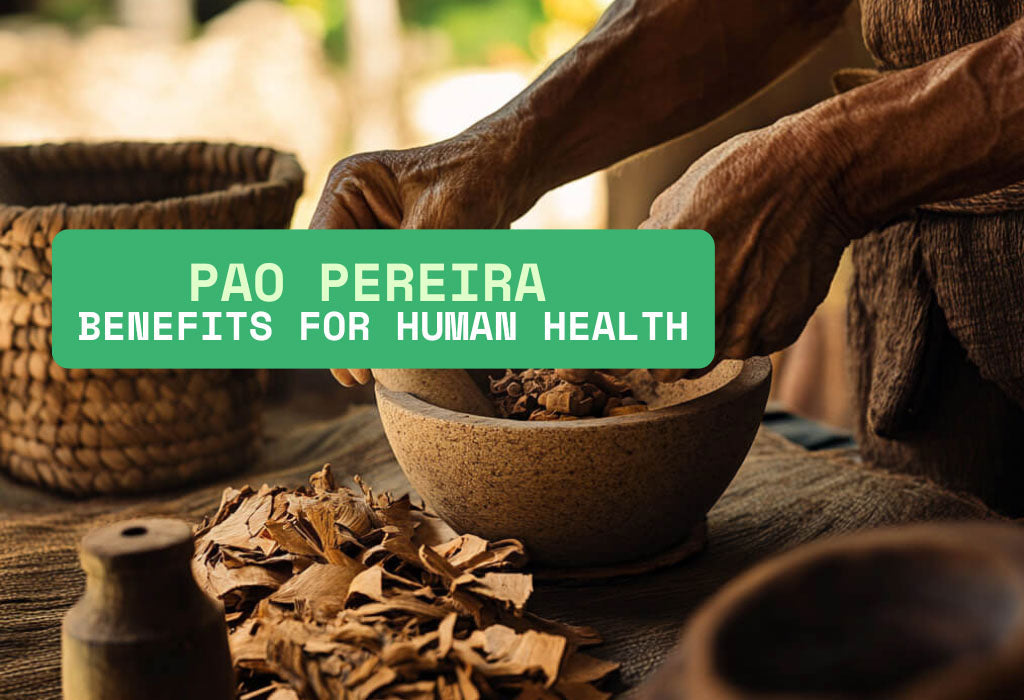
Pao Pereira Benefits: Side Effects, Dosage, and How to Use
Pao Pereira is a traditional South American remedy gaining renewed attention for its potential to support immune health, fight parasites, protect the liver, and even assist in neurological and cancer-related therapies.
Rich in bioactive alkaloids like flavopereirine, this powerful botanical shows promising antioxidant, anti-inflammatory, and antitumor effects.
In this article, we’ll explore the full range of Pao Pereira benefits, examine its possible side effects, and guide you on how to use it safely and effectively based on both historical use and current scientific research.
Although Pao Pereira has been used traditionally for centuries, much of the current evidence supporting its health benefits comes from laboratory and animal studies. Human clinical research remains limited, so its potential effects should be considered promising but not yet fully established. Pao Pereira should be viewed as a complementary dietary supplement rather than a replacement for evidence-based medical treatment.
Before exploring further, please read the disclaimer located at the end of this webpage.
Key Takeaways
- Pao Pereira has been used for many years to improve digestive disorders, protect liver health, increase resistance, etc.
- Pao Pereira can be taken in capsule/tablet form, drunk as tea or used as a solution.
- The recommended dosage is around 10 - 50 mg/kg/day but you should consult your doctor/nutritionist before using.
- Current evidence is strongest from experimental studies, while human clinical trials remain limited.
- Individuals with chronic diseases, those taking prescription medications, and pregnant or breastfeeding women should consult a healthcare professional before supplementation.
What Is Pao Pereira?
Pao Pereira is a tree in the Apocynaceae family, native to South America, mainly growing in the Brazilian Amazon. This plant is known by many different names such as Bergibita, Geissospermum vellosii, Geissospermum laeve, Pau Pereira and Brazilian Pear.
The tree can reach a height of 80 feet and a diameter of 3-4 feet. The trunk is light brown to yellow with alternate leaves, and the fruit is horn-shaped, yellow when ripe. At the same time, the tree secretes latex from the fruit and the tips of the branches.
The main part exploited for medicine is the trunk, so many people may feel a little uncomfortable because the plant has a strong earthy smell and a slightly bitter taste [2].
For hundreds of years, decoctions from Pao Pereira have been widely used for centuries to enhance immune health. In 1848, Ezequiel Correa Dos Santos - a member of the Spanish Oriental Medicine Association presented the first official monograph on the benefits of Pao Pereira. Moreover, in the 20th century, this plant was recommended as a tonic and antipyretic in Milan, Italy.
Today, standardized Pao Pereira extracts are primarily marketed as dietary supplements. Researchers are particularly interested in their naturally occurring indole alkaloids because of their antioxidant activity and their potential role in supporting normal immune function and healthy cellular responses.

Pao Pereira’s Biological Mechanisms of Action
Pao Pereira extract has been shown to inhibit NFκB signaling (*). This results in a dramatic reduction in tumor cell proliferation and apoptosis in prostate cancer cells.
In addition, Pao Pereira also has the ability to inhibit Wnt/β-catenin activity (**) to prevent cancer stem cells from continuing to produce more harmful cells [3].
In fact, in a study of Pao Pereira’s effects on animals, geissospermum, an alkaloid - the most popular Pao Pereira herbal preparation, has the ability to inhibit acetylcholinesterase - an indispensable enzyme if you want to treat Alzheimer’s disease.
Thereby increasing the concentration of the neurotransmitter acetylcholine and reducing memory loss caused by scopolamine [4].
These biological mechanisms help explain why Pao Pereira has attracted scientific interest in several research areas, including immune regulation, healthy inflammatory responses, neurological function, and cellular health. However, these mechanisms have largely been demonstrated under experimental conditions and should not be interpreted as proof of clinical effectiveness in humans.
(*) NFκB is a “tool” that regulates immune reflexes in the body. For example, when a foreign factor such as bacteria or virus attacks, NFκB starts to work strongly to help the body fight against harmful agents and eliminate them from the body [5].
(**) Wnt/β-catenin is a key cellular signaling pathway involved in controlling cell growth and regeneration. Proper regulation of this pathway helps maintain healthy tissue function and reduces the risk of disease. [5]
Pao Pereira Benefits for Human Health

Immune System Support
The bark of the Pao Pereira tree is rich in indole alkaloids (an organic compound belonging to the alkaloid group), which is notable for its strong anticholinesterase activity (an enzyme found in the liver, pancreas, heart, plasma and white matter of the brain).
This is the basis for proving the effectiveness of increasing the body's natural resistance after use against harmful factors from the environment. However, the temporary study is only on animals (applied on classic mice), so the immune-enhancing effect of Pao Pereira still needs to be considered further [6].
Current evidence suggests that Pao Pereira may help support normal immune function by influencing inflammatory signaling pathways and protecting cells from oxidative stress. However, there is currently insufficient clinical evidence to conclude that it enhances immunity in healthy humans or prevents infectious diseases.
Anti-Parasitic Effects
As the study Extract of the Medicinal Plant Pao Pereira Inhibits Pancreatic Cancer Stem-Like Cell In Vitro and In Vivo (Ruochen Dong et al., 2018) found that Pao Pereira extract has the ability to resist the rapid proliferation of cancer cells - where harmful parasites are present [2].
At the same time, Jun Yu in the study The plant extract of Pao pereira potentiates carboplatin effects against ovarian cancer (2013) demonstrated that the combination of Pao Pereira and carboplatin forms a major chemotherapy drug for ovarian cancer.
Thanks to that, the formation of tumor cell colonies in soft agar to eliminate tumors in a short time. This implicitly confirms the ability to effectively fight harmful microorganisms in the body, but note that the study is only applied on animals (mice), so in general, the results still need more time to be seen [1].
It is important to distinguish between anti-parasitic activity and anti-cancer activity. While some laboratory studies have reported antimicrobial or antiparasitic properties of certain alkaloids found in Pao Pereira, the cancer-related studies primarily evaluated effects on abnormal cell growth rather than parasites. Therefore, additional human research is needed before drawing conclusions regarding its role in parasite management.
Digestive System Benefits
For many years, both water and alcohol decoctions of Pao pereira (the bark of the tree) have been used in folk medicine to help relieve digestive disorders. This has been confirmed in the study Somatostatin analogues for the treatment of enterocutaneous fistulas: a systematic review and meta-analysis (Shaun Coughlin et al., 2012).
Specifically, this natural ingredient contains bioactive compounds that reduce inflammation in the gastrointestinal (GI) tract while fighting Helicobacter pylori bacteria - the leading cause of gastritis and stomach ulcers.
This can soothe irritated stomach lining, allowing the digestive system to absorb nutrients more effectively without feeling heavy.
Although traditional use supports digestive applications, direct clinical evidence evaluating Pao Pereira for gastrointestinal disorders remains very limited. Therefore, it should not replace standard treatment for conditions such as peptic ulcers, inflammatory bowel disease, or Helicobacter pylori infection.
Liver Support
As mentioned above, Pao pereira is rich in indole alkaloids (mainly flavopereirine) with strong antioxidant properties, which can protect liver cells from damage.
In addition, the nutrients in flavopereirine also have impressive anti-inflammatory properties and regulate inflammatory cytokines in liver tissue. Thanks to that, the body is comprehensively protected against inflammatory factors.
Experimental evidence suggests that antioxidant compounds in Pao Pereira may help reduce oxidative stress within liver tissue. However, there are currently no high-quality human clinical trials confirming that Pao Pereira can prevent or treat liver disease. Individuals with chronic liver disorders should consult their healthcare provider before using this supplement.
Other Uses
In addition to the above uses, we must also mention another impressive effect of improving concentration and preventing diseases related to neurological dysfunction.
This can be simply explained when we all know that this ingredient has strong anti-inflammatory and antioxidant properties. Thereby helping to reduce oxidative stress in nerve cells, thereby optimally preventing the risk of causing neurodegenerative diseases such as Alzheimer's and Parkinson's.
Animal studies investigating Geissospermum alkaloids have demonstrated acetylcholinesterase inhibition, suggesting potential support for cognitive function. However, these findings should be considered preliminary because comparable clinical studies in humans are currently lacking.
Learn more: Pao Pereira Vs Rauwolfia Vomitoria: Can We Combine Them?
Pao Pereira Side Effects
Although the alkaloid component has strong antioxidant and anti-inflammatory properties, did you know that it is a "poison"? The reason is that Alkaloids contain nitrogen (N), which is synthesized by many organisms such as bacteria, fungi, etc. to protect plants from attacks from harmful bacteria.
But this is also the way to fight harmful microorganisms by secreting toxins, so if people use it incorrectly, it will cause more harm than the great benefits mentioned above. Accordingly, if used in excess or incorrectly, it can lead to side effects such as fatigue, headache, nausea, etc.
Based on the currently available literature, Pao Pereira is generally considered well tolerated when used appropriately. However, comprehensive human safety studies remain limited, meaning its long-term safety profile has not yet been fully established.
Potential side effects reported from traditional use or theoretical pharmacological mechanisms may include:
- Headache
- Nausea
- Dizziness
- Fatigue
- Mild gastrointestinal discomfort
- Possible allergic reactions in sensitive individuals
If severe symptoms such as persistent vomiting, difficulty breathing, severe dizziness, or allergic reactions occur, discontinue use immediately and seek medical attention.
How Much Pao Pereira Should You Take?
Currently, there is no research showing the amount of Pao Pereira that humans can use because, as you know, the benefits of this nutrient still need to be studied further. However, through the following studies, you can also temporarily determine the level of Pao Pereira extract needed:
- Extract of the Medicinal Plant Pao Pereira Inhibits Pancreatic Cancer Stem-Like Cell In Vitro and In Vivo mentioned 20 mg/kg, 5 times/week has the ability to significantly reduce cancer cells [2].
- Beta-carboline alkaloid-enriched extract from the amazonian rain forest tree pao Pereira suppresses prostate cancer cells mentioned 10 or 20 mg/kg/day is the ideal level if you want to destroy your own tumor [7].
- The plant extract of Pao Pereira potentiates carboplatin effects against ovarian cancer mentioned 20 or 50 mg/kg/day by ip injection can help you eliminate ovarian cancer cells and prevent metastasis from progressing too quickly to the remaining organs [1].
Combining the above information, we can see that the ideal level of Pao Pereira is 20 mg/kg/day. But when you first start, you should use a small amount to see how your body reacts, about 10 mg/kg/day.
Then gradually increase to a maximum of 50 mg/kg/day. But first, don't forget to contact your doctor or nutritionist, present your health condition to get advice on the appropriate Pao Pereira supplement and dosage.
It is important to emphasize that these dosage ranges were derived primarily from preclinical or experimental studies rather than well-controlled human supplementation trials. Therefore, they should not be interpreted as established clinical dosage recommendations for the general population.
When using commercially available dietary supplements, always follow the manufacturer's instructions unless otherwise advised by a qualified healthcare professional.
Risks and Pao Pereira Interactions

As mentioned above, Pao Pereira can cause some mild side effects such as headache, nausea, dizziness, ... if overdosed or used incorrectly. In some cases of allergy to the ingredients in Pao Pereira, you are likely to also experience fatigue, anxiety, dizziness, rash,...
At the same time, abusing Pao Pereira as a panacea is absolutely not recommended. Because this can put more burden on the liver or aggravate the immune resistance. In addition, using high doses of Pao Pereira can also cause blood pressure to drop rapidly.
Although direct interaction studies are scarce, caution is recommended if you are taking:
- Blood pressure medications
- Immunosuppressive medications
- Chemotherapy drugs
- Other herbal supplements with strong immunomodulatory or hypotensive effects
Because research remains limited, individuals with chronic medical conditions or those taking prescription medications should consult their healthcare provider before using Pao Pereira.
How to Take Pao Pereira
Currently, there are many ways to supplement Pao Pereira for the body such as taking capsules/tablets, drinking tea, using powder,... Each type has its own advantages and limitations. In which:
- For capsules/tablets: The dosage is predetermined, just used according to instructions and easy to absorb. However, the cost can be quite high because it takes a long time to process the ingredients and produce the finished product.
- For tea form: The advantage of 100% natural extraction, easy to use, easy to adjust the dosage cannot be denied, but it has a bitter, strong taste.
- For liquid form (solution): There are many outstanding features such as easy absorption, high efficiency, strong taste, easy to mix, but note that there may be a burning sensation.
In general, choosing which type of supplement depends on each person's needs, preferences, and desires. For example, if you need to find a convenient, easy-to-use product, consider capsules/tablets.
But if you want high efficiency, consider the liquid form. If you want to slowly enjoy the nutrients, have a comfortable experience, without the pressure of taking medicine, don't ignore the tea form.
Nowadays, Pao Pereira is also available in the United States as a dietary supplement. Thanks to its active compounds, it is primarily used to support immune health and promote anti-aging benefits. Most Pao Pereira supplements are offered in capsule form, featuring a variety of formulations.
Some products combine Pao Pereira with other well-known herbs like Pau D’Arco and Astragalus, both recognized for their antioxidant properties and additional support for immune function and healthy aging.
For best consistency, many manufacturers recommend taking Pao Pereira at the same time each day. Individuals who experience stomach discomfort may prefer taking it with food, although there is currently no strong clinical evidence that food significantly alters its absorption.
Store supplements in a cool, dry place away from direct sunlight, and always choose products from reputable manufacturers that provide standardized extracts and third-party quality testing whenever possible.
Conclusion
The above are undeniable benefits of Pao Pereira such as increasing resistance, limiting digestive disorders, anti-aging, improving liver function,... But no matter what, you need to be careful when using it to ensure safety by contacting a doctor or nutritionist for advice on suitable products.
References
- [1] Yu, J., & Chen, Q. (2013). The plant extract of Pao pereira potentiates carboplatin effects against ovarian cancer. Pharmaceutical Biology, 52(1), 36–43. https://doi.org/10.3109/13880209.2013.808232.
- [2] Dong, R., Chen, P., & Chen, Q. (2018). Extract of the Medicinal Plant Pao Pereira Inhibits Pancreatic Cancer Stem-Like Cell In Vitro and In Vivo. Integrative Cancer Therapies, 17(4), 1204–1215. https://doi.org/10.1177/1534735418786027.
- [3] Mbeunkui, F., Grace, M. H., Lategan, C., Smith, P. J., Raskin, I., & Lila, M. A. (2012). In vitro antiplasmodial activity of indole alkaloids from the stem bark of Geissospermum vellosii. Journal of Ethnopharmacology, 139(2), 471–477. https://doi.org/10.1016/j.jep.2011.11.036.
- [4] Lima, J. A., Costa, R. S., Epifânio, R. A., Castro, N. G., Rocha, M. S., & Pinto, A. C. (2009). Geissospermum vellosii stembark. Pharmacology Biochemistry and Behavior, 92(3), 508–513. https://doi.org/10.1016/j.pbb.2009.01.024.
- [5] Pao pereira. (2021, January 29). Retrieved April 18, 2025, from Memorial Sloan Kettering Cancer Center website: https://www.mskcc.org/cancer-care/integrative-medicine/herbs/pao-pereira.
- [6] LIMA, J. A., COSTA, T. W. R., SILVA, L. L., MIRANDA, A. L. P., & PINTO, A. C. (2016). Antinociceptive and anti-inflammatory effects of a Geissospermum vellosii stem bark fraction. Anais Da Academia Brasileira de Ciências, 88(1), 237–248. https://doi.org/10.1590/0001-3765201520140374.
- [7] Bemis. (2019). beta-carboline alkaloid-enriched extract from the amazonian rain forest tree pao pereira suppresses prostate cancer cells. Journal of the Society for Integrative Oncology, 7(2). Retrieved from https://pubmed.ncbi.nlm.nih.gov/19476740.
Testimonial Disclaimer
*The testimonials presented on this website are provided by individuals based on their personal experiences with our products. These testimonials represent individual opinions and experiences, which may not be typical or applicable to all users of our products. Results may vary depending on a variety of factors, including individual health, lifestyle, and adherence to product usage instructions.Author
Product Disclaimer
Including an ingredient or study does not evaluate, endorse, or recommend any Vinatura product or any third-party product. Some ingredients discussed may not be used in any Vinatura product.
The content of the articles has not been evaluated by the Food and Drug Administration (FDA) and is not intended to promote or endorse any specific product. Any products sold on this website are not intended to diagnose, treat, cure, or prevent any disease.
Opinions and Endorsements
Any claims, statements, or opinions expressed in the articles are those of the author(s) and do not necessarily reflect the views or opinions of the manufacturers of the dietary supplement products. The products sold on this website are separate from the content of the articles and are not directly endorsed or associated with the information presented here.
Liability Disclaimer
The author(s) of the articles, website, and manufacturers of the dietary supplement products do not assume any liability for any potential consequences arising from the use of the information provided in the articles. Ingredient effects, dosages, and safety vary by individual, formulation, and context; some ingredients interact with medications or may be unsuitable during pregnancy or lactation. It is recommended that individuals consult with a qualified healthcare professional before making any dietary or lifestyle changes, including the use of dietary supplements.
Product Usage
Please refer to the product labels and packaging for specific usage instructions and guidelines for the dietary supplement products sold on this website.
Customer Support
For any concerns or questions regarding the dietary supplement products, please contact our customer support team, who will be more than happy to assist you.


Leave a Comment
Be the first to comment.
What do you think?