

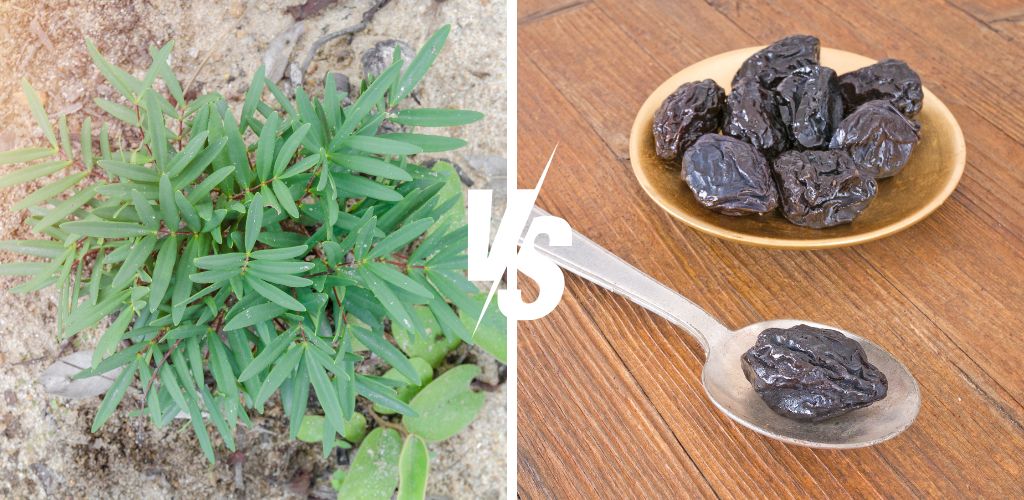
Tongkat Ali And Boron: Do They Work Together for Testosterone?
The search for natural testosterone boosters has led many to explore the synergistic potential of Tongkat Ali and Boron. These two elements have shown promise in supporting testosterone levels, but do they work together to provide an even more significant impact?
Let's look at the main differences, how Tongkat Ali and Boron work, compare their benefits and side effects, how to use them, and the key differences between them.
Before exploring further, please read the disclaimer located at the end of this webpage.
Key Takeaways
- Tongkat Ali has stronger clinical evidence supporting testosterone-related outcomes, whereas Boron has primarily been studied for its potential effects on hormone metabolism and free testosterone.
- Tongkat ali is more extensively researched than Boron, and it tends to be more affordable.
- You can combine Tongkat ali with foods containing boron, but it's important to consult a specialist as no studies have confirmed its safety.
Tongkat Ali and Boron - Key Differences

The Origin of Tongkat Ali and Boron
Tongkat Ali, also known as Eurycoma Longifolia, is a herbal supplement from Southeast Asia renowned for its male virility-enhancing properties.
Originating from lush tropical forests in Malaysia, Indonesia, and Thailand, it has been traditionally used for centuries. It is believed to enhance male sexual health and boost testosterone production [1].
On the other hand, Boron does not originate from a specific region but is a naturally occurring element found in the Earth's crust, prevalent in various geographical locations.
It is a trace mineral found in nuts, grains, and fruits and is essential for multiple metabolic processes. Research suggests that boron can enhance the absorption of testosterone in the male body [2].
Active Compounds of Tongkat Ali and Boron
Numerous active compounds contribute to supporting Tongkat Ali and Boron.
Tongkat Ali contains bioactive compounds such as eurycomanone, which has been investigated for its potential role in supporting testosterone production by stimulating luteinizing hormone (LH), supporting Leydig cell function, and reducing SHBG activity.
While Boron is not a compound per se, it is crucial for the body's utilization of magnesium, calcium, and vitamin D—all essential for optimal testosterone production [4].
The Benefits - Main Part Helps You Make The Decision
The benefits of these 2 supplements can not be denied. Based on research, the following benefits are:
Benefits of Tongkat Ali
- Sexual Health: Tongkat Ali is often used as a remedy for erectile dysfunction (ED), low libido, and male infertility. Some studies suggest it may aid in male infertility management and mood improvement [5].
- Muscle Building and Physical Fitness: It is believed to improve physical stamina, enhance mood, and boost bone health. Tongkat Ali is marketed to athletes as a supplement to increase muscle mass, strength, and endurance [1].
- Mental Well-being: Traditional remedy uses the fruit, bark, leaves, and roots of the shrub to manage various ailments, including stress [1].
- Bone Health: Herbal supplementation is also believed to enhance bone health [1].
Given its wide-ranging benefits, it’s no surprise that many have chosen supplements containing Tongkat Ali.*
Sean Thornton, a user on Amazon, shared his experience:
“I was looking for a supplement that could boost my energy and motivation without making my heart race. After two weeks of use, I’m feeling really good. The only downside is the lack of transparency regarding the dosage of the two main ingredients. Because of that, I probably won’t purchase it again.”*
Learn more: How To Tell If Tongkat Ali Is Real? Common Tongkat Ali Scams
Benefits of Boron
- Bone Density: Boron may help improve bone density [4].
- Brain Function: It is beneficial for brain function [4].
- Hormonal Balance: Boron helps maintain a good balance of sex hormones, estrogen, and testosterone [4].
Side Effects - Don’t Skip This Important Section
Tongkat Ali and Boron have minimal side effects and are generally safe for users.
Tongkat Ali: Common mild and rare side effects include:
- Insomnia (difficulty sleeping)
- Irritability
- Gastrointestinal discomfort (diarrhea, nausea)
- Other potential concerns with high doses of Tongkat Ali may increase the risk of DNA damage [6]. Tongkat Ali may affect some particular cases, such as blood sugar-lowering drugs, as it affects blood sugar levels.
Boron: Possible side effects of high doses include [8]:
- Nausea
- Skin rash
- Headaches
- Loss of appetite and indigestion
You may also like: Tongkat Ali Vs Ashwagandha: What's Better & How To Combine?
Dosage and Usage - Be Aware How To Use
Dosage and usage of Tongkat Ali
The Malaysian Ministry of Health recommends 50 mg to 100 mg of Tongkat Ali daily. However, according to some studies, Tongkat Ali is safe at 200mg to 400mg per day [1].
Usage: Available in capsule or powder form, typically divided into 1-2 daily doses.
Dosage and usage of Boron
The common daily usage of Boron ranges from 3-10 milligrams (based on studies). High doses of Boron can pose potential side effects, and the safe boron dosage for adults ranges from 18 to 20 milligrams [4].
Usage: Available in capsule or tablet form, typically taken once daily.
Popular Form - Giving You More Information
Tongkat Ali has various forms, including capsules, tablets, and powder. However, capsules are the most common form for their ease of use and storage.
Additionally, liquid extracts and dried roots of the plant are available.
Boron is often found in multivitamins or as standalone supplements in capsule or tablet form. Boron is also naturally found in many foods, such as grapes, apples, vegetables, legumes, etc.
Table Of Key Differences Between Tongkat Ali Vs Boron
Some factors to compare Tongkat Ali and Boron should be mentioned in the table below:
|
Feature |
Tongkat Ali |
Boron |
|
Other Names |
Eurycoma longifolia |
Sodium borate, boron ascorbate, etc. |
|
Benefits |
Testosterone, sexual health, muscle |
Testosterone absorption, estrogen, bones, joints |
|
Dosage |
Recommended: 200mg-600mg/day |
Recommended: 3mg-10mg/day |
|
Testosterone Impact |
Increases |
Increases |
|
Form |
Supplement, extract |
Supplement, natural food |
What Should You Choose - Boron Vs Tongkat Ali?

Both offer unique benefits. However, suppose you're seeking a natural testosterone-boosting supplement.
In that case, Tongkat Ali may be a better choice as it is more prevalent and supported by more research than Boron. Moreover, Tongkat Ali tends to be more affordable because it is widely available.
They can be alternated in cycles, meaning you can use one for a period and then switch to the other. This is done to prevent your body from becoming too accustomed to one supplement and maximize both benefits.
Can You Combine Boron and Tongkat Ali?

Although no studies have proven the safety and appropriate dosage for combining Boron and Tongkat Ali, Tongkat Ali supplementation can still absorb foods containing Boron, such as beans, oats, etc.
Combining Boron and Tongkat Ali may enhance the effectiveness of both supplements for men's health. However, it is also important to consult experts and adhere to dosage recommendations before using them together.
Conclusion
Tongkat Ali and Boron are natural supplements that have unique properties and are believed to support testosterone levels. Although there is limited research on their combined effects, studies on their impacts have shown promising results.
Therefore, those who want to boost their testosterone levels naturally should consider exploring the potential benefits of Tongkat Ali and Boron supplements.
Related Article
- Best Tongkat Ali Supplements 2024: Forms & Price And Origin
- 10+ Benefits of Tongkat Ali, Effective Usage & Side Effects
- Tongkat Ali Before Bed, Optimized Usage And Notable Effects
References
- [1] Rehman, Shaheed, et al. “Review on a Traditional Herbal Medicine, Eurycoma Longifolia Jack (Tongkat Ali): Its Traditional Uses, Chemistry, Evidence-Based Pharmacology and Toxicology.” Molecules, vol. 21, no. 3, 10 Mar. 2016, p. 331, https://doi.org/10.3390/molecules21030331.
- [2] Ferrando, Arny A., and Nancy R. Green. “The Effect of Boron Supplementation on Lean Body Mass, Plasma Testosterone Levels, and Strength in Male Bodybuilders.” International Journal of Sport Nutrition, vol. 3, no. 2, June 1993, pp. 140–149, https://doi.org/10.1123/ijsn.3.2.140. Accessed 22 Apr. 2020.
- [3] Lazarev, Artemii, and Eduard Bezuglov. “Testosterone Boosters Intake in Athletes: Current Evidence and Further Directions.” Endocrines, vol. 2, no. 2, 17 May 2021, pp. 109–120, https://doi.org/10.3390/endocrines2020011.
- [4] Devirian, Tara A., and Stella L. Volpe. “The Physiological Effects of Dietary Boron.” Critical Reviews in Food Science and Nutrition, vol. 43, no. 2, Mar. 2003, pp. 219–231, https://doi.org/10.1080/10408690390826491.
- [5] Kotirum, Surachai, et al. “Efficacy of Tongkat Ali (Eurycoma Longifolia) on Erectile Function Improvement: Systematic Review and Meta-Analysis of Randomized Controlled Trials.” Complementary Therapies in Medicine, vol. 23, no. 5, Oct. 2015, pp. 693–698, www.sciencedirect.com/science/article/pii/S0965229915001223, https://doi.org/10.1016/j.ctim.2015.07.009. Accessed 13 Jan. 2020.
- [6] Qinna, N, et al. “A New Herbal Combination, Etana, for Enhancing Erectile Function: An Efficacy and Safety Study in Animals.” International Journal of Impotence Research, vol. 21, no. 5, 4 June 2009, pp. 315–320, https://doi.org/10.1038/ijir.2009.18. Accessed 19 Sept. 2022.
- [7] Uluisik, Irem, et al. “The Importance of Boron in Biological Systems.” Journal of Trace Elements in Medicine and Biology, vol. 45, Jan. 2018, pp. 156–162, https://doi.org/10.1016/j.jtemb.2017.10.008. Accessed 21 Mar. 2019.
Testimonial Disclaimer
*The testimonials presented on this website are provided by individuals based on their personal experiences with our products. These testimonials represent individual opinions and experiences, which may not be typical or applicable to all users of our products. Results may vary depending on a variety of factors, including individual health, lifestyle, and adherence to product usage instructions.Author
Product Disclaimer
Including an ingredient or study does not evaluate, endorse, or recommend any Vinatura product or any third-party product. Some ingredients discussed may not be used in any Vinatura product.
The content of the articles has not been evaluated by the Food and Drug Administration (FDA) and is not intended to promote or endorse any specific product. Any products sold on this website are not intended to diagnose, treat, cure, or prevent any disease.
Opinions and Endorsements
Any claims, statements, or opinions expressed in the articles are those of the author(s) and do not necessarily reflect the views or opinions of the manufacturers of the dietary supplement products. The products sold on this website are separate from the content of the articles and are not directly endorsed or associated with the information presented here.
Liability Disclaimer
The author(s) of the articles, website, and manufacturers of the dietary supplement products do not assume any liability for any potential consequences arising from the use of the information provided in the articles. Ingredient effects, dosages, and safety vary by individual, formulation, and context; some ingredients interact with medications or may be unsuitable during pregnancy or lactation. It is recommended that individuals consult with a qualified healthcare professional before making any dietary or lifestyle changes, including the use of dietary supplements.
Product Usage
Please refer to the product labels and packaging for specific usage instructions and guidelines for the dietary supplement products sold on this website.
Customer Support
For any concerns or questions regarding the dietary supplement products, please contact our customer support team, who will be more than happy to assist you.


Leave a Comment
Be the first to comment.
What do you think?