warnings and side effects of tongkat ali faqs part 2

FAQs: Warnings and Side Effects of Tongkat Ali [Part 2]

Tongkat Ali is a natural herb with many impressive benefits for human health, famous in Southeast Asia, often referred to as “Malaysian ginseng”.

In particular, it must be mentioned that this root is researched to be able to help increase testosterone, improve energy and support male physiological health while also supporting hormonal balance in both sexes.

However, there are still some points to note when using it to limit risks, ensure safety and make the most of the benefits. Read on to understand more before using Tongkat Ali.

Before exploring further, please read the disclaimer located at the end of this webpage.

Endocrine Effects and Hormonal Balance

1. Does Tongkat Ali Increase DHT?

There is no clear research that confirms Tongkat Ali increases DHT (Dihydrotestosterone - a hormone derived from testosterone) levels.

Although Tongkat Ali may support increased total and free testosterone [3,5,9], it is unclear whether it contributes to the conversion of testosterone to DHT, thereby increasing natural DHT.

2. Does Tongkat Ali Block DHT?

Currently, there are not many studies confirming that Tongkat Ali has the ability to block DHT in the body. However, there are still cases where users use this medicine and feel that their hair grows slower than normal, sometimes even falls out more than normal, so they doubt its ability to block DHT.*

3. Does Tongkat Ali Increase Prolactin?

Similar to DHT, there is no information confirming the ability to improve prolactin levels in women when using Tongkat Ali despite positive manifestations.

For example: stabilizing mood, regulating menstruation,... However, this may be related to Tongkat Ali helping to stabilize reproductive hormones and restore testosterone to the appropriate level for the female body [2].

4. How Much Can Tongkat Ali Increase HCG?

Tongkat Ali (Eurycoma longifolia) has been reported to have a mild effect in increasing serum testosterone levels, but its ability to increase HCG (Human Chorionic Gonadotropin) levels has not been fully demonstrated by scientific evidence.

Existing studies suggest that Tongkat Ali primarily affects testosterone rather than HCG directly [4].

5. Can High Doses of Tongkat Ali Crash Estrogen or Cortisol Levels?

The most obvious effect of Tongkat Ali is to bring estrogen or cortisol levels back to balance, suitable for people who are facing the risk of hormonal disorders or stress. In cases where these two hormones are already at a balanced level, Tongkat Ali will no longer have any effect [1].

6. Can Tongkat Ali Affect Cortisol, Estrogen, or Thyroid Levels?

In general, Tongkat Ali has a certain effect on the concentration of these three hormones in the human body.

In particular, for the stress hormone Cortisol, this medicinal herb will reduce cortisol (if at a higher level than normal), thereby limiting excessive stress or facing the consequences of stress such as headaches, fatigue, rapid heartbeat, etc [1].

As for estrogen, although it does not directly affect it, but through the process of inhibiting the aromatase enzyme that can convert testosterone into estrogen, the amount of estrogen after using Tongkat Ali can gradually decrease.

As for Thyroid, although there are not many studies demonstrating the effects of the medicinal herb, there is still a study showing a significant reduction in insulin-like growth factor-1 (IGF-1) in the group of subjects using Tongkat Ali compared to the beginning (Sasikala M Chinnappan, 2021) [3].

7. What Happens to Hormone Levels After Stopping Tongkat Ali?

Tongkat Ali is a natural and benign herb. Therefore, it only has the effect of adjusting hormone levels to normal, stable levels for the human body instead of having a permanent enhancement effect.

When you stop using it, you can see that all hormone levels in your body will return to normal levels as before using it without any unexpected side effects.

Furthermore, there is currently no information to suggest addiction after stopping Tongkat Ali.

8. Can Tongkat Ali Suppress Natural Testosterone Production After Long-Term Use?

Currently, there is no reliable evidence to confirm that long-term use of Tongkat Ali can lead to inhibition of natural testosterone production, or more specifically, reduce hormones that regulate testosterone production such as LH and FSH.

In fact, studies have shown that it can help increase testosterone levels, especially in men with low testosterone levels or facing chronic stress problems [4].

9. Is There a Rebound or Drop in Testosterone Levels After Stopping Tongkat Ali?

Currently, there is no research showing the long-term effects of Tongkat Ali on human health in general, the recovery or reduction of testosterone hormone levels after stopping use. Along with that, whether the effect after use is maintained for a long time or not is also not a clear answer [4].

10. Are There Risks of Dependency or Hormonal Imbalances from Prolonged Use?

Regarding dependence on Tongkat Ali extract products, there is currently no research confirming this, or there are no signs of addiction if you temporarily stop/stop using it completely.

As for the aspect of hormonal imbalance after use, you can rest assured that this medicine is quite benign, when you stop using it, the hormone level will slowly return to the original level before use.

However, users should pay attention to some unwanted side effects, although rare but completely possible, such as worsening prostate cancer, breast cancer or endometriosis; not suitable for people with a history of heart disease, liver or kidney disease, etc.

11. Does Tongkat Ali Pose Any Risk of Dependency or Long-Term Hormonal Damage?

There is no information showing dependence after using Tongkat Ali. However, in terms of endocrine damage when used for a long time (>12 weeks), it is completely impossible to predict in advance [12, 13].

Therefore, before using any product containing Tongkat Ali, it is best to present your health condition to your doctor to receive accurate and safe advice.

12. Can Tongkat Ali Cause Dependency?

Currently, there is no research showing dependence after using Tongkat Ali. However, if using high doses of Tongkat Ali (>200mg/day) for many consecutive days, users will have some symptoms similar to addiction. For example, fatigue, dizziness,... [12, 13]

Or users will have a dependent mentality like "it's time to use a new product to stabilize hormones" instead of trusting themselves.

13. What Happens If You Take Tongkat Ali Long-Term Without Breaks?

The long-term safety of products containing Tongkat Ali has not been established. Long-term use of dietary supplements may pose some risk of liver damage, especially in people with pre-existing liver problems.

Additionally, taking Tongkat Ali as a dietary supplement is not recommended for people with testosterone-sensitive prostate cancer, and should be avoided by women who are pregnant or breastfeeding.


Male Physiology and Related Organs

1. Can Tongkat Ali Cause Infertility?

No. According to the clinical study by Tambi & Imran, taking a standardized extract of Eurycoma longifolia (Tongkat Ali) at 200 mg per day in men with idiopathic infertility increased sperm concentration, improved normal morphology, and resulted in 14.7% spontaneous pregnancies [20].

There was no evidence indicating it causes infertility. However, because the study lacked a placebo-controlled group and used a proprietary extract, further randomized controlled trials are needed to confirm these findings more broadly [20].

2. Can Tongkat Ali Cause Prostatitis?

There is no clear evidence that Tongkat Ali directly causes prostatitis in humans. However, studies in rats have shown that high doses of Tongkat Ali can increase prostate weight, cause epithelial cell proliferation, and cause mild dysplasia-like changes (preliminary signs of possible precancerous changes) on histology [14].

This inadvertently suggests that if you have a history of prostatitis, prostate sensitivity, BPH, or any prostate problem, you are more likely to experience this unwanted side effect.

3. Will Tongkat Ali Affect Your Prostate or Bladder?

Tongkat Ali may affect prostate function if used in high doses or for longer than prescribed by your doctor/nutritionist. In addition, caution should be exercised in those with underlying prostate-related conditions (such as prostatitis) [13, 14].

Because, there has been research on mice showing that Tongkat Ali has the ability to increase prostate size and lead to abnormal cell growth. However, to know exactly whether the same effect is true in humans, we need more research on humans later.

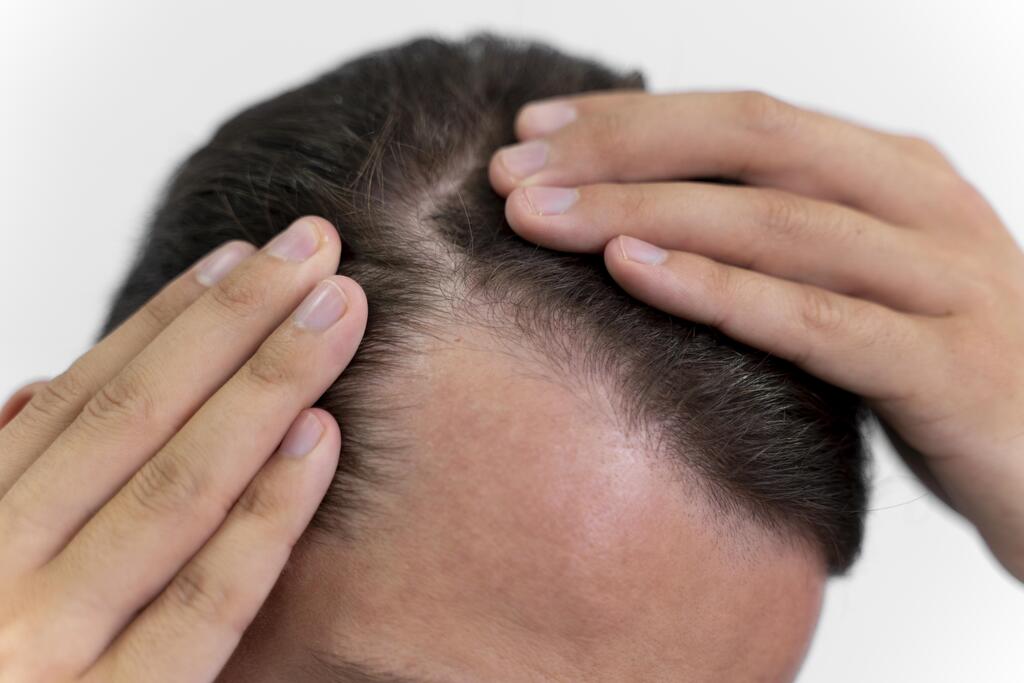
4. Does Tongkat Ali Cause Hair Loss?

In fact, there is no research that confirms that using Tongkat Ali causes unwanted side effects such as hair loss. However, in the topic New to tongkat ali: do you experience hair loss? on Reddit, many people confirmed that they experienced more hair loss after using Tongkat Ali.*

Overall, while individual experiences may vary, current scientific evidence does not establish a direct link between Tongkat Ali and hair loss. Further studies are needed to clarify this potential association.

5. Does Tongkat Ali Cause Gynecomastia?

There is currently no research to suggest that using Tongkat Ali leads to gynecomastia or breast tissue changes.

Many people notice that their breasts become fuller after using this herb, but in fact, the most likely cause is the use of any other aromatase inhibitor; in addition, if the user's body has estrogen levels that are too low compared to normal, there is a possibility of a similar situation.

6. Can Tongkat Ali Cause Sensitive Nipples or Early Signs of Gynecomastia (Gyno)?

There is currently no research to point out that using Tongkat Ali leads to symptoms of gynecological diseases.

In case the breasts become more sensitive or larger than normal, it is likely due to not using the correct dosage of Tongkat Ali according to the instructions. Or it may be a side effect of some aromatase inhibitors.

7. Will Gynecomastia or Other Side Effects Go Away After Stopping Tongkat Ali or Fadogia?

A Reddit user felt that his breasts seemed to get bigger after stopping Tongkat Ali (500mg/day for 2 weeks).*

In fact, this is completely possible because any medicine or functional food can cause unwanted side effects depending on each person's absorption, including the possibility of causing gynecomastia.

However, you can temporarily rest assured when it disappears after a period of stopping Tongkat Ali. However, it is important that when you see unusual signs in your body, you go to the doctor for a check-up and stop all the supplements you are using.

8. Will Tongkat Ali Shrink Testicles?

There is currently no evidence that Tongkat Ali causes testicular atrophy. If used correctly (correct dosage, frequency and choosing a reputable product), you can rest assured that the water extract of Eurycoma longifolia root can improve sexual performance in men.

Because this is a medicinal herb that has been used for many years for the purpose of improving sperm function parameters [10].

9. Does Tongkat Ali Make Your Balls Bigger?

A Reddit user mentioned that his testicles seemed larger after using Tongkat Ali.* In fact, this effect has not been clearly suggested by research, only that it improves sexual function and sperm quality [10].

10. Can Tongkat Ali Cause ED?

Tongkat Ali has not been shown to cause erectile dysfunction. Perhaps, users mistakenly believe that Tongkat Ali can enhance testicular and penile erections by increasing testosterone levels and potentially work similarly to drugs like Viagra by dilating and widening blood vessels.

Other Mild Side Effects and Rare Phenomena

1. Does Tongkat Ali Cause Acne?

Currently, there is no evidence that Tongkat Ali causes acne. In general, this is a benign natural medicine, so if used properly, it rarely causes such unwanted effects. For example, a Reddit user had acne after using it, but it could be due to taking many supplements at the same time as ashwagandha, zinc, and fish oil.*

2. Does Tongkat Ali Cause Headaches?

Tongkat Ali can cause unwanted side effects such as headaches. However, most people will experience this condition when using high doses for a long time, making it difficult for the body to adapt.

Or some cases of severe headaches are related to poor quality Tongkat Ali products of unknown origin, so they are mixed with other substances that cause irritation to the body [4].

If there is such a problem, it is best to temporarily stop using it and go to the doctor for an examination to decide whether to continue using it or not.

3. Does Tongkat Ali Cause Urine Smell?

The discussion “Supplements cause weird body odor?” shows that Tongkat Ali does address the issue of urine odor and body odor.*

Because, Tongkat Ali is closely related to the stability of testosterone in the body. Some testosterone derivatives can cause body odor similar to musk.

4. Does Tongkat Ali Increase Heart Rate?

Based on the available clinical case report, Tongkat Ali may increase heart rate in rare cases.

A documented instance involved a 71-year-old man who began taking 668 mg of Tongkat Ali daily. Within two days, he developed symptoms such as palpitations and dizziness, and his heart rate rose to 145 bpm [19].

Electrocardiogram (ECG) results confirmed supraventricular tachycardia, later diagnosed as atrial flutter — a type of abnormal heart rhythm. After discontinuing Tongkat Ali, the patient’s heart rhythm returned to normal within 24 hours, and all other medical tests (including thyroid and cardiac function) were normal [19].

The researchers therefore concluded that Tongkat Ali was the “probable cause” of the abnormal increase in heart rate in this case [19].

However, it’s important to note that this is a single case report, not broad clinical evidence. Most studies have not reported consistent cardiovascular side effects, so the risk appears to be rare but possible, particularly at higher doses or in older individuals [19].

5. Does Tongkat Ali Make You Angry?

Normally, Tongkat Ali stabilizes the level of cortisol - the stress hormone that helps you feel more comfortable, not feel frustrated and uncomfortable in your body. This has been confirmed by Shawn M Talbott (2013) when 12% of 63 people felt less angry [1].

If after using Tongkat Ali, you feel a bit irritable, it could be due to many reasons such as the food you just ate, hot weather,...

6. Does Tongkat Ali Increase Appetite?

Research on the Effect of Tongkat Ali on stress hormones and psychological mood state in moderately stressed subjects (2013) has confirmed that Tongkat Ali also gives you a feeling of hunger [1]. Combined with an improved mood, no more stress or fatigue, of course you will have a much better appetite.

7. Does Tongkat Ali Make You Hungry?

Tongkat Ali does not directly increase hunger, but it may improve mood and make food taste more enjoyable. Therefore, you eat more and feel much better than usual. This is what makes you confused after taking Tongkat Ali, you often feel hungry.

8. Does Tongkat Ali Cause Joint Pain?

Tongkat Ali has not been shown to cause joint pain. But according to Why does Tongkat Ali make my joints hurt?, Tongkat Ali contains natural aromatase inhibitors.*

Joint pain is a typical symptom of estrogen deficiency in the body compared to normal levels. However, this is for reference only and needs to be verified. If used, it is necessary to use the recommended dosage and choose products from reputable brands.

9. Can Joint Pain or Cracking Joints Be a Side Effect of Tongkat Ali?

There are no studies that mention side effects after using Tongkat Ali related to joint pain or joint weakness. Some common unwanted signs are fatigue, headache, dizziness, etc [10].

If you have joint problems after using, it can be temporarily confirmed that it is due to an incompatible body or an overdose compared to the body's needs. You should go see a doctor for advice on an appropriate course of action instead of continuing to use it.

10. Is There a Link Between Tongkat Ali and Angular Cheilitis or Vitamin Deficiencies?

Most studies do not show a direct link between Tongkat Ali and angular cheilitis (inflammation of the corners of the mouth). Causes of angular cheilitis may include deficiencies in B vitamins, iron, zinc, etc.

If someone takes a lot of Tongkat Ali and it affects their appetite, digestion, or liver, it could indirectly lead to absorption problems or mild vitamin deficiencies over time. This explanation is unlikely, but if it does occur, it is due to overuse or poor quality supplements.

Metabolic Effects and Chemical Interactions

1. Does Tongkat Ali Increase Blood Flow?

Tongkat Ali may indirectly help increase blood flow by boosting testosterone levels. Both studies — Talbott (2013) and Chinnappan (2021) — demonstrated that Tongkat Ali supplementation significantly improves testosterone concentrations.

This hormone plays an essential role in maintaining endothelial (blood vessel lining) health and stimulates the production of Nitric Oxide (NO), a signaling molecule that relaxes vascular smooth muscles, leading to vasodilation and improved circulation [1,3].

Therefore, while Tongkat Ali is not a direct vasodilator, it may support better blood flow through this hormone-endothelium mechanism.

2. Will Theobromine in Chocolate Interfere with Tongkat Ali?

There is no direct evidence that the Theobromine component in chocolate can affect the absorption of Tongkat Ali. These two compounds have different mechanisms and Tongkat Ali is often combined with other supplements.

In which, Theobromine stimulates the cardiovascular and nervous systems to increase alertness in the short term [8], while Tongkat Ali mainly affects hormones such as testosterone, cortisol, ... - when in a balanced state, you feel comfortable, pleasant, and refreshed.

3. Does Tongkat Ali Help With Bacterial Infection?

Citing the study A Systematic Review on Antimicrobial and Antiparasitic Activity of Eurycoma longifolia Jack (Tongkat Ali), in ancient times, people found traditional uses of parts of the plant including antibacterial, antimalarial, antidiabetic, aphrodisiac, antibacterial and antipyretic properties.

However, if it is used as a standalone solution, more careful research is needed [7]. At the same time, to completely address the infection, it may be necessary to combine it with many other medicinal herbs or chemical active ingredients.

4. Does Tongkat Ali Have L-Arginine in It?

Tongkat Ali and L-Arginine are two entirely different active ingredients. According to the study by Balasubramanian et al. (2019), they are considered distinct substances, much like how vitamin C and vitamin D are two separate vitamins [6].

The reason you often see both included in the same product is that manufacturers tend to combine them to enhance male performance support. In other words, a product may contain both, but Tongkat Ali itself does not naturally contain L-Arginine [6].

Overview and Management of Side Effects

1. What Are Side Effects Associated with Using Tongkat Ali?

Side effects of Tongkat Ali at normal doses are generally absent. However, these are common in cases of high doses (>200 mg/day) such as nausea, upset stomach, diarrhea, headache and rash.

For example, many people in the Really bad side effects from tongkat ali thread have had bad experiences with 400mg or 800mg of Tongkat Ali after just a few days.*

2. Does Tongkat Ali Have Side Effects?

If used properly, in accordance with your body and according to your doctor's instructions, Tongkat Ali rarely leaves unwanted side effects. However, in some cases, unwanted side effects or high doses may appear such as dizziness, nausea, vomiting, abdominal pain, etc [18].

3. How Can I Manage Negative Effects If I Start Feeling Unwell After Using Tongkat Ali?

To minimize unwanted side effects, you should consult your doctor carefully before using Tongkat Ali. At the beginning, you should only use a small amount to test your body's reaction before gradually increasing to the necessary level (about 200mg/day).

In case you discover unwanted side effects, you should stop using it immediately, replenish your body with filtered water and go to the doctor for management instructions.

4. Is There Any Rebound Effect on Testosterone or Libido After Stopping Tongkat Ali?

Tongkat Ali has no clear evidence of a rebound effect or a decrease in testosterone or libido after stopping the use of Tongkat Ali.

In fact, Tongkat Ali's ability to work towards normalizing testosterone levels, especially in people with low testosterone levels, by affecting the amount of free testosterone available instead of directly increasing the synthesis process.

Therefore, when stopping use, all hormones return to their original levels before use, without causing addiction or disorder if used properly, according to the doctor's instructions.

5. How Do You Manage or Reverse Side Effects If They Occur?

When you see abnormal signs in your body after using Tongkat Ali, you should stop using it immediately. Then go see your doctor as soon as possible for instructions on how to handle it properly.

If the problem does not come from this supplement, your doctor can prescribe another more suitable product, or reduce the appropriate dosage and frequency to avoid unwanted side effects as much as possible.

Along with that, you should maintain a scientific diet and a healthy lifestyle to increase the effectiveness of the medicinal benefits. In particular, you should avoid using stimulants and alcoholic beverages after taking functional foods because they can leave side effects or reduce the body's ability to absorb them.

Testimonial Disclaimer

*The testimonials presented on this website are provided by individuals based on their personal experiences with our products. These testimonials represent individual opinions and experiences, which may not be typical or applicable to all users of our products. Results may vary depending on a variety of factors, including individual health, lifestyle, and adherence to product usage instructions.

References

  • [1] Talbott, S. M., Talbott, J. A., George, A., & Pugh, M. (2013). Effect of Tongkat Ali on stress hormones and psychological mood state in moderately stressed subjects. Journal of the International Society of Sports Nutrition, 10(1). https://doi.org/10.1186/1550-2783-10-28
  • [2] Subashini Muniandy, Yahya, H. M., Shahar, S., Ixora Kamisan Atan, Zaleha Abdullah Mahdy, Rajab, N. F., … Chinnappan, S. M. (2023). Effects of Eurycoma longifolia Jackstandardised water extract (Physta) on well-being of perimenopausal and postmenopausal women: protocol for a randomised, double-blinded, placebo-controlled, parallel group study. BMJ Open, 13(11), e073323–e073323. https://doi.org/10.1136/bmjopen-2023-073323
  • [3] Chinnappan, S. M., George, A., Pandey, P., Govinda Narke, & Choudhary, Y. K. (2021). Effect of Eurycoma longifolia standardised aqueous root extract–Physta® on testosterone levels and quality of life in ageing male subjects: a randomised, double-blind, placebo-controlled multicentre study. Food & Nutrition Research, 65. https://doi.org/10.29219/fnr.v65.5647
  • [4] Tongkat Ali. (2024, October 18). Retrieved October 16, 2025, from Nih.gov website: https://www.ncbi.nlm.nih.gov/books/NBK609015.
  • [5] Leitão, A. E., Vieira, M. C. de S., Pelegrini, A., da Silva, E. L., & Guimarães, A. C. de A. (2021). A 6-month, double-blind, placebo-controlled, randomized trial to evaluate the effect of Eurycoma longifolia (Tongkat Ali) and concurrent training on erectile function and testosterone levels in androgen deficiency of aging males (ADAM). Maturitas, 145, 78–85. https://doi.org/10.1016/j.maturitas.2020.12.002
  • [6] Balasubramanian, A., Thirumavalavan, N., Srivatsav, A., Yu, J., Hotaling, J. M., Lipshultz, L. I., & Pastuszak, A. W. (2019). An Analysis of Popular Online Erectile Dysfunction Supplements. The Journal of Sexual Medicine, 16(6), 843–852. https://doi.org/10.1016/j.jsxm.2019.03.269
  • [7] Latip, M. Q. A., Noor, M. H. M., Ahmad, H., Hassim, H. A., Salleh, A., Bejo, M. H., & Zakaria, A. A. (2022). A Systematic Review on Antimicrobial and Antiparasitic Activity of Eurycoma longifolia Jack (Tongkat Ali). BioMed Research International, 2022(1). https://doi.org/10.1155/2022/4999797
  • [8] Sellami, M., Slimeni, O., Pokrywka, A., Kuvačić, G., D Hayes, L., Milic, M., & Padulo, J. (2018). Herbal medicine for sports: a review. Journal of the International Society of Sports Nutrition, 15(1). https://doi.org/10.1186/s12970-018-0218-y
  • [9] Tambi, M. I. B. M., Imran, M. K., & Henkel, R. R. (2011). Standardised water-soluble extract of Eurycoma longifolia, Tongkat ali, as testosterone booster for managing men with late-onset hypogonadism? Andrologia, 44, 226–230. https://doi.org/10.1111/j.1439-0272.2011.01168.x
  • [10] Solomon, M. C., Erasmus, N., & Henkel, R. R. (2013). In vivoeffects ofEurycoma longifoliaJack (Tongkat Ali) extract on reproductive functions in the rat. Andrologia, 46(4), 339–348. https://doi.org/10.1111/and.12082
  • [12] Turck, D., Bohn, T., Castenmiller, J., De Henauw, S., Hirsch‐Ernst, K. I., Maciuk, A., … Marchelli, R. (2021). Safety of Eurycoma longifolia (Tongkat Ali) root extract as a novel food pursuant to Regulation (EU) 2015/2283. EFSA Journal, 19(12). https://doi.org/10.2903/j.efsa.2021.6937
  • [13] Rehman, S., Choe, K., & Yoo, H. (2016). Review on a Traditional Herbal Medicine, Eurycoma longifolia Jack (Tongkat Ali): Its Traditional Uses, Chemistry, Evidence-Based Pharmacology and Toxicology. Molecules, 21(3), 331–331. https://doi.org/10.3390/molecules21030331
  • [14] Hipolith, M.-M., Khor, B.-K., Hirasawa, Y., Murugaiyah, V., Lee, C.-Y., Morita, H., … Chan, K.-L. (2023). Quassinoids from Eurycoma longifolia Jack roots and their potential inhibitory activity against human benign prostatic hyperplasia cells (BPH-1) and testosterone-induced BPH rat model. Fitoterapia, 166, 105468. https://doi.org/10.1016/j.fitote.2023.105468
  • [18] Streit, L. (2019, May 20). What to Know About Tongkat Ali (Eurycoma Longifolia) Supplements. Healthline; Healthline Media. https://www.healthline.com/nutrition/tongkat-ali-longjack-review
  • [19] Ali, Mohamed. (2025). Tongkat Ali-Induced Atrial Flutter: A Probable Case. Cureus. 17. 10.7759/cureus.92024.
  • [20] Mohd, & Imran, M. K. (2010). Eurycoma longifolia Jack in managing idiopathic male infertility. Asian Journal of Andrology, 12(3), 376–380. https://doi.org/10.1038/aja.2010.7

Author

Ralph S Albert
Ralph S Albert
Ralph S. Albert is an esteemed professional with a remarkable career spanning over 15 years in the dynamic and ever-evolving realm of the food and nutrition industry. Currently, Ralph proudly serves as the Head of Research at Vinatura Supplements, a leading company in the dietary supplement industry. His work is characterized by a dedication to innovation, compliance, and the application of scientific research to create natural, yet practical solutions for consumers.
Disclaimers (Expand to read all):

Agreement

By accessing and reading the articles or blogs on this website, you acknowledge and agree to the terms of these disclaimers. These disclaimers are subject to change without notice.

Medical Disclaimer

The information provided in the articles on this website is for educational and informational purposes only. It is not intended to be a substitute for professional medical advice, diagnosis, or treatment. Always seek the advice of your physician or other qualified healthcare provider with any questions you may have regarding a medical condition.

Product Disclaimer

Including an ingredient or study does not evaluate, endorse, or recommend any Vinatura product or any third-party product. Some ingredients discussed may not be used in any Vinatura product.

The content of the articles has not been evaluated by the Food and Drug Administration (FDA) and is not intended to promote or endorse any specific product. Any products sold on this website are not intended to diagnose, treat, cure, or prevent any disease.

Opinions and Endorsements

Any claims, statements, or opinions expressed in the articles are those of the author(s) and do not necessarily reflect the views or opinions of the manufacturers of the dietary supplement products. The products sold on this website are separate from the content of the articles and are not directly endorsed or associated with the information presented here.

Liability Disclaimer

The author(s) of the articles, website, and manufacturers of the dietary supplement products do not assume any liability for any potential consequences arising from the use of the information provided in the articles. Ingredient effects, dosages, and safety vary by individual, formulation, and context; some ingredients interact with medications or may be unsuitable during pregnancy or lactation. It is recommended that individuals consult with a qualified healthcare professional before making any dietary or lifestyle changes, including the use of dietary supplements.

Product Usage

Please refer to the product labels and packaging for specific usage instructions and guidelines for the dietary supplement products sold on this website.

Customer Support

For any concerns or questions regarding the dietary supplement products, please contact our customer support team, who will be more than happy to assist you.
Leave a Comment

0 Comments

Be the first to comment.

What do you think?

Please note, comments need to be approved before they are published.
Table of Contents
Show All

Articles

is sea moss good for high blood pressure

Is Sea Moss Good For High Blood Pressure?

High blood pressure is known as the “silent killer” because it often shows no
0 comments
does sea moss help with mucus

Does Sea Moss Help With Mucus And Phlegm?

Sea Moss has been trending on social media due to its notable benefits, including
0 comments
is sea moss good for menopause

Is Sea Moss Good For Menopause?

Are you experiencing hot flashes or mood swings? You’re not alone. Menopause, typically occurring
0 comments