

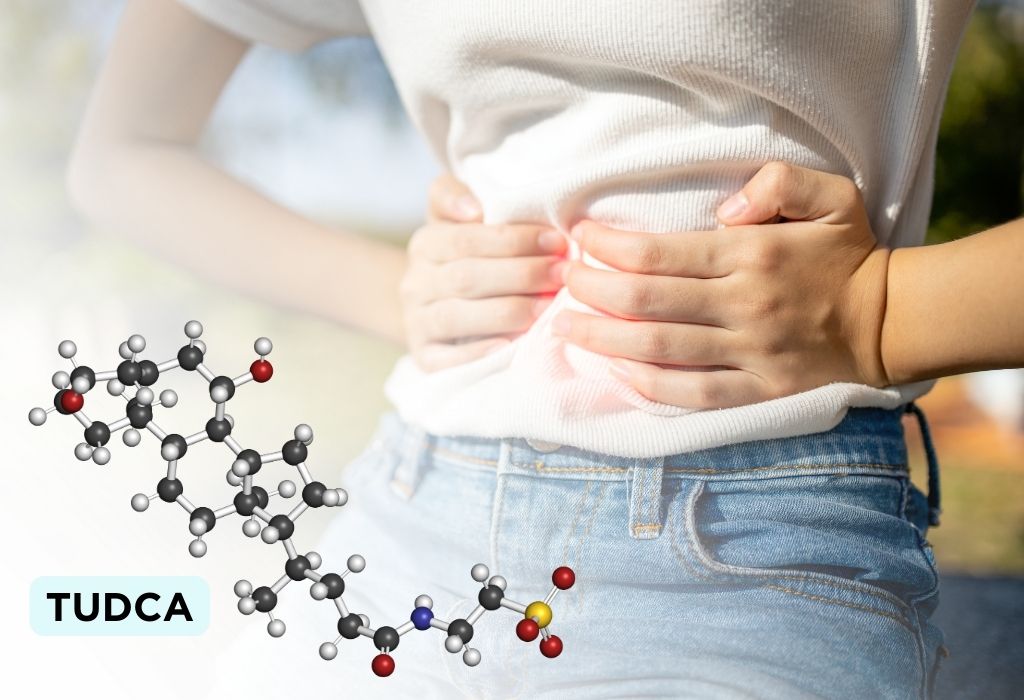
TUDCA for Sibo: Is It Effective?
TUDCA may help support digestive function in some individuals with SIBO by promoting bile-acid–mediated fat digestion, supporting gut motility, and helping maintain intestinal barrier integrity. As a bile acid derivative, it may also contribute to the antimicrobial effects of bile within the small intestine.
However, SIBO is a multifactorial condition that can result from impaired motility, anatomical abnormalities, medication use, metabolic disorders, immune dysfunction, and other underlying factors. Therefore, while TUDCA may support certain digestive processes associated with SIBO, it should not be considered a treatment that addresses all underlying causes of the condition.
In this article, we explore how TUDCA works and whether it’s a suitable option for SIBO.
Before exploring further, please read the disclaimer located at the end of this webpage.
Key Takeaways
- SIBO is a condition where the amount of bacteria in the small intestine exceeds normal levels, causing symptoms such as abdominal pain, bloating, diarrhea, constipation, and weight loss.
- TUDCA is a bile acid metabolized from UDCA. It has positive effects on recovering from functional dyspepsia (FD) and supporting SIBO in humans.
- In addition to using TUDCA, natural measures to prevent SIBO include healthy eating, reducing bad fats, increasing fiber and protein intake, and supplementing with Omega-3 and bile acids from dietary supplements.
Does TUDCA Help With SIBO?

Growing evidence suggests that TUDCA (Tauroursodeoxycholic Acid) may help improve SIBO by increasing bile flow, enhancing fat digestion, and creating a less favorable environment for bacterial overgrowth in the small intestine.
A 2020 study found that UDCA - closely related to TUDCA - significantly reduced symptoms of functional dyspepsia, a condition that often overlaps with or is linked to SIBO (Kim et al., 2020) [1].
Beyond scientific data, user communities also report many positive experiences. On Reddit, one user shared that “almost immediately my bloating, pain, and gas became almost non-existent,” while another commented that TUDCA “washed the intestines and made meals feel effortless to digest,” especially when discussing digestive and liver-related benefits.*
Notably, individuals who have had their gallbladder removed or suspect reduced bile flow often describe TUDCA as a “life saver,” helping relieve bloating, right-side abdominal discomfort, and improving motility.*
However, it’s not universally tolerated—some users experience stomach irritation or need to reduce the dose for better comfort.
Overall, both scientific insight and community experience suggest that TUDCA has potential in supporting SIBO, though results vary depending on individual physiology and bile-related conditions.
What is SIBO?
SIBO (Small Intestinal Bacterial Overgrowth) is the presence of excessive bacteria in the small intestine, causing an imbalance of gut microbiota and affecting normal digestive health.
Under normal conditions, the proximal small intestine contains relatively low numbers of bacteria, typically less than 10³ CFU/mL. In individuals with SIBO, bacterial counts may exceed 10³–10⁵ CFU/mL depending on the diagnostic criteria and sampling location [3].
Excessive or inappropriate bacterial presence in the intestine can lead to discomforts such as chronic diarrhea, bloating, and malabsorption. Individuals with SIBO may experience sudden weight loss, nutritional deficiencies, and osteoporosis [2].
Bile's Role in SIBO

The gallbladder is a small pear-shaped organ on the right side containing bile. Bile is a complex mixture of organic and inorganic molecules stored in the gallbladder and released into the proximal small intestine when eating.
Bile is both an excretory fluid that helps eliminate cholesterol, bilirubin, and waste and a digestive fluid that promotes lipid absorption [5].
Produced by the liver, bile is essential in the digestive process, breaking down fats into fatty acids for energy metabolism, balancing gut microbiota, and regulating bacterial levels to prevent SIBO.
Bile acts as an antimicrobial agent with detergent properties that help dissolve bacterial cell membranes, reducing the absorption of harmful bacteria in the small intestine while promoting the diversity of healthy bacteria [4].
Adequate bile flow ensures the presence of antimicrobial agents, helping to control bacterial overgrowth. Bile also plays a role in regulating bowel movements, preventing the stagnation of food and bacteria in the small intestine.
Read more: Tudca Dosage For Gallstones & Its Benefits For Gallbladder
How Does TUDCA Help With SIBO?
|
Feature |
How it Works (Simple Terms) |
Why it Matters for You |
|
Natural Cleanser |
Acts like a natural "soap" that breaks down harmful bacteria. |
Helps reduce the overgrowth of bad bacteria in the small intestine. |
|
Movement Booster |
Acts as a "start button" to keep your digestive system moving. |
Prevents food from sitting too long and rotting, which fuels bacterial growth. |
|
The "Cleaning Wave" |
Triggers your gut's "auto-clean" mode (the MMC) between meals. |
Acts like a vacuum cleaner to sweep out food scraps and leftover bacteria. |
|
Gut Protector |
Helps "patch up" small gaps in your intestinal lining. |
Prevents "Leaky Gut," stopping toxins from entering your blood and causing fatigue. |
|
Fat Digester |
Helps your body break down and absorb oils and fats. |
Stops undigested fats from feeding bacteria, which reduces gas and bloating. |
TUDCA (Tauroursodeoxycholic Acid) is a water-soluble bile acid that serves as a vital component of the bile pool. Bile acids are not only essential for dissolving fats during digestion but also play a critical role in maintaining the microbial balance of the small intestine [5].
TUDCA benefits SIBO through several key mechanisms:
- Antibacterial effect: TUDCA possesses natural antibacterial properties that help control bacterial density in the small intestine. It disrupts the cell membranes of non-commensal bacteria, effectively limiting their overgrowth [6].
- Regulating Intestinal Motility: Bile acids act as signaling molecules that regulate gut transit. Through the activation of receptors like TGR5, TUDCA helps stimulate small intestinal motility and supports the movement of contents toward the colon. While it can modulate fluid secretion to prevent diarrhea, its primary benefit for SIBO is preventing the stagnation of food and bacteria [7] [8].
- Restoring the Migrating Motor Complex (MMC): Impaired MMC function is considered one of several factors that may contribute to the development or recurrence of SIBO. The MMC acts as the gut's "cleansing wave," helping move residual food particles and bacteria through the digestive tract between meals. Research suggests that TUDCA may promote bile-emptying episodes and motilin release, which are involved in supporting normal MMC activity and intestinal clearance [10].
- Preventing Leaky Gut Syndrome: SIBO often compromises the gut barrier. TUDCA protects the intestinal lining by reducing oxidative stress and strengthening "tight junction" proteins, preventing bacterial toxins (LPS) from leaking into the bloodstream (Shi et al., 2023) [9].
- Optimizing Digestion and Nutrient Absorption: By enhancing the emulsification of dietary fats, TUDCA ensures that lipids are absorbed efficiently in the upper part of the small intestine. This prevents undigested fats from reaching the lower small intestine, where they would otherwise serve as a substrate for bacterial fermentation and overgrowth [11].
Important Note: While TUDCA is beneficial, it may not be suitable for everyone. If you have Hydrogen-dominant SIBO (SIBO-D), characterized by frequent diarrhea, TUDCA could potentially worsen symptoms. Excessive bile acids reaching the large intestine can lead to Bile Acid Diarrhea, a condition where the colon draws in extra water, causing urgency and loose stools (FAN & SELLIN, 2009) [12].
You also read: Can You Take TUDCA On An Empty Stomach?
How Much TUDCA Should You Use for SIBO?

Currently, there is no definitive guideline on the dosage of TUDCA for SIBO.
However, in an experiment involving 24 patients diagnosed with FD and SIBO, participants were supplemented with 100 mg UDCA (a TUDCA metabolite) thrice daily for two months.
Results indicated significant improvement, with reduced methane gas levels indicative of indigestion [1].
According to one user's experience, consistent use of 250 mg TUDCA capsules each morning provided relief from bloating and indigestion.*
What Otherwise Can You Do to Manage SIBO?

In addition to taking TUDCA, you can try the following methods to manage SIBO and enhance bile function:
- Dietary changes: Adopt a fiber-rich diet with moderate healthy fats, including lean protein sources, nuts, and fruits. Use high-quality fats like olive oil or avocado oil in moderation. Limit processed foods, high-sugar snacks, and trans fats (fast food), which can stress the liver and impair bile quality.
- Omega-3 supplementation: Omega-3 supports a healthy cholesterol balance and cardiovascular health. By reducing systemic inflammation, it helps maintain optimal liver function and supports the production of high-quality bile.
- Supporting Bile Production and Flow: While TUDCA provides a direct source of bile acids, you can support your body’s natural bile system through nutrition. Foods like bitter greens (arugula, dandelion), beets, and artichokes can stimulate bile flow. Additionally, ensuring adequate intake of healthy fats and choline (found in egg yolks and liver) provides the necessary building blocks for your liver to synthesize its own bile acids.
- Probiotics and Gut Health: Supplementing with specific probiotic strains can help balance gut microbiota, working synergistically with bile acids to inhibit the overgrowth of harmful bacteria in the small intestine.
You also may like: 7 Best TUDCA Supplements for Liver & Biliary Health
Frequently Asked Questions
How long does TUDCA take to work for SIBO?
Based on the available evidence and real-world experiences, TUDCA does not provide an immediate, overnight effect for SIBO. The closest human data comes from a randomized controlled study using UDCA—a closely related bile acid—which showed meaningful improvements in methane levels and digestive symptoms after about 60 days of consistent use (100 mg, three times daily) [1].
Community reports echo a similar pattern: some people notice faster fat-digestion support within days, but changes related to motility, methane reduction, or microbial balance tend to develop more gradually over several weeks. In other words, if TUDCA is going to help with SIBO—especially methane-dominant cases—it typically requires steady, daily use for a multi-week timeframe, with more measurable improvements emerging around the 1–2 month mark.
Can TUDCA give you gas?
Yes, TUDCA (Tauroursodeoxycholic acid) can cause gas, although it is considered a relatively rare side effect. While TUDCA is generally well-tolerated, it is a bile acid that actively changes how your body processes fats and manages the environment of your gut. These changes can sometimes lead to temporary digestive "turbulence."
Does Lack of Bile Cause SIBO?
Yes, bile salts, a key component of bile, play a crucial role in regulating the movement of the small and large intestines. Therefore, a lack of bile can lead to gastrointestinal issues such as constipation, bloating, and diarrhea and can contribute to developing Small Intestinal Bacterial Overgrowth (SIBO).
Can You Take TUDCA With Digestive Enzymes?
There is no negative evidence regarding this combination, so you can use TUDCA with digestive enzymes. However, following the prescribed dosages and consulting a specialist is essential to ensure health safety.
Conclusion
TUDCA may be a potential option for SIBO patients, but more research is needed to confirm its effectiveness and safety. It's advisable to consult a doctor before using TUDCA and to maintain a healthy lifestyle and diet to avoid imbalances in the gut microbiota.
References
- [1] Kim, Bom-Taeck, et al. "The Effect of Ursodeoxycholic Acid on Small Intestinal Bacterial Overgrowth in Patients with Functional Dyspepsia: A Pilot Randomized Controlled Trial." Nutrients, vol. 12, no. 5, 14 May 2020, p. 1410, https://doi.org/10.3390/nu12051410. Accessed 12 June 2020.
- [2] Dukowicz, Andrew C., et al. "Small Intestinal Bacterial Overgrowth." Gastroenterology & Hepatology, vol. 3, no. 2, 1 Feb. 2007, pp. 112–122, www.ncbi.nlm.nih.gov/pmc/articles/PMC3099351/
- [3] Isaacs, P. E., and Y. S. Kim. "Blind Loop Syndrome and Small Bowel Bacterial Contamination." Clinics in Gastroenterology, vol. 12, no. 2, 1 May 1983, pp. 395–414, pubmed.ncbi.nlm.nih.gov/6347463/. Accessed 24 May 2024.
- [4] Urdaneta, Verónica, and Josep Casadesús. "Interactions between Bacteria and Bile Salts in the Gastrointestinal and Hepatobiliary Tracts." Frontiers in Medicine, vol. 4, 3 Oct. 2017, https://doi.org/10.3389/fmed.2017.00163.
- [5] Hofmann, Alan F., and Lars Eckmann. "How Bile Acids Confer Gut Mucosal Protection against Bacteria." Proceedings of the National Academy of Sciences of the United States of America, vol. 103, no. 12, 21 Mar. 2006, pp. 4333–4334, www.ncbi.nlm.nih.gov/pmc/articles/PMC1450168/, https://doi.org/10.1073/pnas.0600780103.
- [6] Begley, Máire, et al. "The Interaction between Bacteria and Bile." FEMS Microbiology Reviews, vol. 29, no. 4, Sept. 2005, pp. 625–651, https://doi.org/10.1016/j.femsre.2004.09.003.
- [7] Ward, Joseph D, et al. The Bile Acid Receptor, TGR5, Regulates Basal and Cholinergic-Induced Secretory Responses in Rat Colon. Vol. 25, no. 8, 1 Aug. 2013, pp. 708–711, https://doi.org/10.1111/nmo.12148.
- [8] Alemi, Farzad, et al. "The Receptor TGR5 Mediates the Prokinetic Actions of Intestinal Bile Acids and Is Required for Normal Defecation in Mice." Gastroenterology, vol. 144, no. 1, Jan. 2013, pp. 145–154, https://doi.org/10.1053/j.gastro.2012.09.055. Accessed 6 May 2023.
- [9] Shi, Linsen, et al. "Bile Acids, Intestinal Barrier Dysfunction, and Related Diseases." Cells, vol. 12, no. 14, 19 July 2023, pp. 1888–1888, www.ncbi.nlm.nih.gov/pmc/articles/PMC10377837/, https://doi.org/10.3390/cells12141888. Accessed 24 May 2024.
- [10] Hellström, P. M., et al. “Role of Bile in Regulation of Gut Motility.” Journal of Internal Medicine, vol. 237, no. 4, Apr. 1995, pp. 395–402, https://doi.org/10.1111/j.1365-2796.1995.tb01193.x. Accessed 18 June 2022.
- [11] Staels, B., and V. A. Fonseca. "Bile Acids and Metabolic Regulation: Mechanisms and Clinical Responses to Bile Acid Sequestration." Diabetes Care, vol. 32, no. suppl_2, 29 Oct. 2009, pp. S237–S245, www.ncbi.nlm.nih.gov/pmc/articles/PMC2811459/, https://doi.org/10.2337/dc09-s355.
- [12] FAN, X., SELLIN, J. H. (2009). Review article: small intestinal bacterial overgrowth, bile acid malabsorption and gluten intolerance as possible causes of chronic watery diarrhoea. Alimentary Pharmacology Therapeutics, 29(10), 1069–1077. https://doi.org/10.1111/j.1365-2036.2009.03970.x
Testimonial Disclaimer
*The testimonials presented on this website are provided by individuals based on their personal experiences with our products. These testimonials represent individual opinions and experiences, which may not be typical or applicable to all users of our products. Results may vary depending on a variety of factors, including individual health, lifestyle, and adherence to product usage instructions.Author
Product Disclaimer
Including an ingredient or study does not evaluate, endorse, or recommend any Vinatura product or any third-party product. Some ingredients discussed may not be used in any Vinatura product.
The content of the articles has not been evaluated by the Food and Drug Administration (FDA) and is not intended to promote or endorse any specific product. Any products sold on this website are not intended to diagnose, treat, cure, or prevent any disease.
Opinions and Endorsements
Any claims, statements, or opinions expressed in the articles are those of the author(s) and do not necessarily reflect the views or opinions of the manufacturers of the dietary supplement products. The products sold on this website are separate from the content of the articles and are not directly endorsed or associated with the information presented here.
Liability Disclaimer
The author(s) of the articles, website, and manufacturers of the dietary supplement products do not assume any liability for any potential consequences arising from the use of the information provided in the articles. Ingredient effects, dosages, and safety vary by individual, formulation, and context; some ingredients interact with medications or may be unsuitable during pregnancy or lactation. It is recommended that individuals consult with a qualified healthcare professional before making any dietary or lifestyle changes, including the use of dietary supplements.
Product Usage
Please refer to the product labels and packaging for specific usage instructions and guidelines for the dietary supplement products sold on this website.
Customer Support
For any concerns or questions regarding the dietary supplement products, please contact our customer support team, who will be more than happy to assist you.



Leave a Comment
Be the first to comment.
What do you think?