

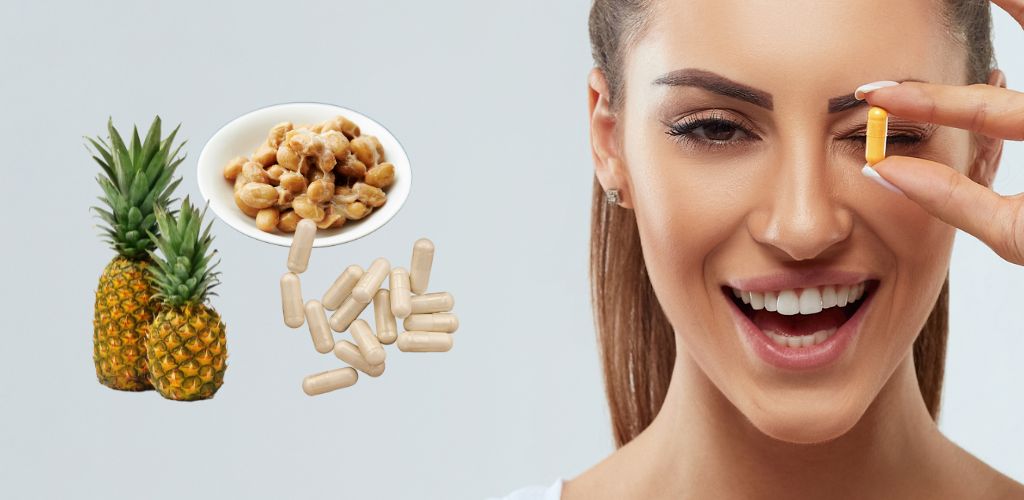
Can You Take NAC Nattokinase and Bromelain Together?
NAC, nattokinase, and bromelain are three supplements with very different biological roles.
NAC, or N-acetylcysteine, is best known as a precursor to glutathione and for its antioxidant and mucolytic properties. Nattokinase is a fibrinolytic enzyme derived from natto, a traditional Japanese food made from fermented soybeans. Bromelain is a mixture of proteolytic enzymes obtained primarily from pineapple stems and fruit.
Because these ingredients act through different pathways, they are sometimes combined in supplement routines intended to support circulation, antioxidant defenses, and inflammation-related processes.
However, evidence evaluating NAC, nattokinase, and bromelain as a three-ingredient combination is limited. Most research has examined each ingredient separately, so it is more accurate to describe their mechanisms as potentially complementary rather than to claim that they have proven synergistic effects.
The most important safety consideration is that nattokinase and bromelain may both affect clotting-related pathways, which could increase the risk of bruising or bleeding in susceptible individuals or when combined with anticoagulant or antiplatelet medications.
Before exploring further, please read the disclaimer located at the end of this webpage.
Key Takeaways
- NAC, nattokinase, and bromelain may be used together in some supplement routines, but the combination itself has not been well studied in large clinical trials.
- NAC primarily supports glutathione production, antioxidant defenses, and mucus clearance.
- Nattokinase is better described as a fibrinolytic enzyme than as a conventional prescription “blood thinner.”
- Bromelain is a proteolytic enzyme studied for inflammation-related effects and may also influence platelet or clotting pathways.
- Nattokinase and bromelain may increase bleeding risk when combined, especially in people taking anticoagulants or antiplatelet drugs.
- Some clinical research suggests nattokinase may modestly lower blood pressure in people with elevated baseline values, so people with low blood pressure or those taking antihypertensive medication should be cautious.
-
These supplements should not be used to replace prescription anticoagulants or to self-treat a suspected blood clot.
Can You Take Nattokinase, Bromelain and NAC Together?
Research has demonstrated favorable outcomes when both Bromelain and Acetylcysteine are used together [4].
However, as of now, it has only been found that Nattokinase potentially interacts with certain cardiovascular drugs [5].
Therefore, while Nattokinase, Bromelain, and NAC each possess distinct biological activities, they may synergize when used together.
However, before starting this combination, be sure to discuss it with a doctor or healthcare professional to ensure safety.

Nattokinase is an important enzyme produced from the bacterium Bacillus subtilis natto.
This enzyme can directly break down fibrin and remains stable in the digestive tract, making it suitable for oral thrombolytic therapy.
NK is also considered a valuable nutritional supplement, with safety and ease of large-scale production [1].
Additionally, Nattokinase has applications in treating hypertension, Alzheimer's disease, and vitreoretinal disorders.

Bromelain is a crude extract from the stem and fruit of pineapple, consisting of a mixture of enzymes and other components such as phosphatase, glucosidase, and cellulase.
Bromelain exhibits multiple enzyme activities with a pH range from 5.5 to 8.0 and is produced from fresh pineapple juice through filtration and drying methods [2].
Bromelain functions by selectively inhibiting the synthesis of pro-inflammatory prostaglandins and possessing analgesic and antibacterial properties.
NAC (N-Acetyl Cysteine), or Acetylcysteine, is a cysteine derivative used as a nutritional supplement. NAC has potent antioxidant and anti-inflammatory properties, helping to maintain cellular redox balance [3].

Adequate intake of cysteine and NAC plays a crucial role in maintaining health and replenishing glutathione, one of the body's most powerful antioxidants.
These amino acids may also support the treatment of chronic respiratory issues, improve reproductive function, and promote brain health.
How Do Nattokinase, Bromelain, and NAC Work Together?
Nattokinase, Bromelain, and NAC each play distinct roles in supporting the body’s management of inflammation, oxidative stress, and circulatory health—areas of increasing interest in post-viral recovery and long-term wellness.
While clinical trials on this specific triple combination are limited, their mechanisms suggest a potential biochemical synergy:
- Nattokinase: A fibrinolytic enzyme that supports healthy blood flow by helping to break down fibrin and prevent micro-clotting.
- Bromelain: A proteolytic enzyme known for its strong anti-inflammatory properties and its ability to aid in the breakdown of complex proteins.
- NAC (N-Acetyl Cysteine): A precursor to glutathione that provides critical antioxidant support, promotes detoxification, and helps thin mucus.
Important Note: The combination of these supplements is currently based on clinical hypotheses and biological theory. Because both Nattokinase and Bromelain can influence blood thinning, it is essential to consult a healthcare professional before use to ensure safety and avoid potential interactions with other medications.
Enhanced Anti-Inflammatory Activity
Both Bromelain[6] and NAC[7] are known for their ability to reduce inflammation and alleviate discomfort related to immune system overactivation. In cases of Long COVID, chronic inflammation may contribute to symptoms such as muscle pain, brain fog, and fatigue.
When combined with Nattokinase—which may help modulate vascular inflammation—their synergistic effect may provide broader support for managing systemic inflammation.
Support for Circulatory and Vascular Health
Nattokinase is well-documented for its fibrinolytic (clot-dissolving) properties, which can be beneficial in addressing microclot formation—a phenomenon increasingly observed in some Long COVID patients.
When used in combination with Bromelain and NAC, which support vascular health through anti-inflammatory and antioxidant mechanisms, this trio may promote improved blood flow and oxygen delivery to tissues.
Digestive and Mucosal Support
Gastrointestinal symptoms are another common complaint in post-COVID recovery. Bromelain helps support protein digestion and soothes intestinal inflammation, while NAC aids in protecting the digestive mucosa through its antioxidant action.
Together with Nattokinase’s circulatory benefits, this combination may help restore balance in the gut and improve nutrient absorption in individuals recovering from viral illness.
Side Effects May Happen When Using This Combine
Although rare, using this combination may cause adverse effects such as digestive disturbances or allergic reactions in some individuals:
- Digestive disorders: Bromelain may cause mild side effects such as diarrhea, nausea, vomiting, and heavier-than-normal menstrual bleeding in some individuals, especially when taken at high doses (Maurer, 2001) [8].
- Increased risk of bleeding: It's also advisable to avoid using Bromelain and Nattokinase if you're taking blood thinners like Warfarin, as they may increase the risk of excessive bleeding [8] [9].
- Allergic reactions: Bromelain should not be used by individuals allergic to pineapple or substances with potential cross-reactivity, such as grass pollen, latex, celery, fennel, carrots, and wheat [8]
- Drug interactions: There may be interactions between the components in this combination and other medications you're taking. Therefore, it's important to discuss with your doctor or pharmacist about any potential drug interactions.
If you experience any adverse symptoms while using this combination, stop immediately and seek guidance and treatment from a doctor or healthcare center.
Things Need to Consider When Taking Nattokinase, Bromelain, and NAC
Just like with any supplement we introduce into our bodies, it's essential to plan and understand how to use it safely and effectively.
Therefore, when using the combination of Nattokinase, Bromelain, and NAC, there are several things to consider:
- Dosage: Adhere to the recommended dosage for Nattokinase and each component. Overdosing can lead to unwanted side effects.
- Drug interactions: Discuss with your doctor or healthcare professional if you are taking any other medications.
- Health conditions: Consult with your doctor before using this combination if you have any health issues, exceptionally high blood pressure, digestive issues, or bleeding disorders. Because using Nattokinase may have implications for cardiovascular health.
- Allergic reactions: Monitor carefully for signs of allergic reactions after starting this combination, and stop using and consult with your doctor if any signs of allergic reactions occur.
- Product quality: Choose products from reputable and certified manufacturers to ensure product quality and safety. Currently, many counterfeit products are on the market, so to avoid "losing money and losing goods," choose products from reputable sources.
- Duration of use: Determine the duration of using this combination based on the guidance of your doctor or healthcare professional. Each type will be designed for specific usage hours; consider the instructions on the products for particular times.
Read more: 7 Best Nattokinase Supplements for Cardiovascular Health
Conclusion
In summary, we can conclude that using Nattokinase, Bromelain, and NAC together can bring significant health benefits, including improving blood circulation, reducing inflammation, and supporting immune function.
However, this can also cause some side effects and unwanted interactions, especially when combined with other medications. It's important to ensure they suit your current health condition.
Before using any supplements, consult with your doctor or healthcare professional first.
Related Article:
- Nattokinase And Vitamin K2: Are They The Same Thing?
- Benefits Of Nattokinase Supplements: Side Effects & Usage
- Nattokinase vs Aspirin: Natural or Pharmaceutical Blood Thinners?
References
- [1] Dabbagh F, Manica Negahdaripour, Aydin Berenjian, et al. Nattokinase: production and application. Applied microbiology and biotechnology. 2014;98(22):9199-9206. doi:https://doi.org/10.1007/s00253-014-6135-3
- [2] Pavan R, Jain S, Shraddha, Kumar A. Properties and Therapeutic Application of Bromelain: A Review. Biotechnology Research International. 2012;2012:1-6. doi:https://doi.org/10.1155/2012/976203
- [3] Cristina, Nayara Gomes Graciliano, Fabiana Andréa Moura, Cabral A, Oliveira M. N-Acetylcysteine (NAC): Impacts on Human Health. Antioxidants. 2021;10(6):967-967. doi:https://doi.org/10.3390/antiox10060967
- [4] (A) Bromelain and Acetylcysteine present a synergistic effect on severe... ResearchGate. Published 2021. Accessed May 9, 2024. https://www.researchgate.net/figure/A-Bromelain-and-Acetylcysteine-present-a-synergistic-effect-on-severe-acute-respiratory_fig1_349850528
- [5] Chen H, McGowan EM, Ren N, et al. Nattokinase: A Promising Alternative in Prevention and Treatment of Cardiovascular Diseases. Biomarker insights. 2018;13:117727191878513-117727191878513. doi:https://doi.org/10.1177/1177271918785130
- [6] Fitzhugh DJ, Shan S, Dewhirst MW, Hale LP. Bromelain treatment decreases neutrophil migration to sites of inflammation. Clinical immunology. 2008;128(1):66-74. doi:https://doi.org/10.1016/j.clim.2008.02.015
- [7] Queiroz K, Fabiana Andréa Moura, Marques J, Roberto O, Célia J, Oliveira M. Oxidative Stress and Inflammation in Hepatic Diseases: Therapeutic Possibilities of N-Acetylcysteine. International journal of molecular sciences. 2015;16(12):30269-30308. doi:https://doi.org/10.3390/ijms161226225
- [8] Maurer, H. R. (2001). Bromelain: biochemistry, pharmacology and medical use. Cellular and Molecular Life Sciences, 58(9), 1234–1245. https://doi.org/10.1007/pl00000936
- [9] Selvarajan, E., & Bhatnagar, N. (2018). Nattokinase: An Updated Critical Review on Challenges and Perspectives. Cardiovascular & Hematological Agents in Medicinal Chemistry, 15(2), 128–135. https://doi.org/10.2174/1871525716666171207153332
Testimonial Disclaimer
*The testimonials presented on this website are provided by individuals based on their personal experiences with our products. These testimonials represent individual opinions and experiences, which may not be typical or applicable to all users of our products. Results may vary depending on a variety of factors, including individual health, lifestyle, and adherence to product usage instructions.Author
Product Disclaimer
Including an ingredient or study does not evaluate, endorse, or recommend any Vinatura product or any third-party product. Some ingredients discussed may not be used in any Vinatura product.
The content of the articles has not been evaluated by the Food and Drug Administration (FDA) and is not intended to promote or endorse any specific product. Any products sold on this website are not intended to diagnose, treat, cure, or prevent any disease.
Opinions and Endorsements
Any claims, statements, or opinions expressed in the articles are those of the author(s) and do not necessarily reflect the views or opinions of the manufacturers of the dietary supplement products. The products sold on this website are separate from the content of the articles and are not directly endorsed or associated with the information presented here.
Liability Disclaimer
The author(s) of the articles, website, and manufacturers of the dietary supplement products do not assume any liability for any potential consequences arising from the use of the information provided in the articles. Ingredient effects, dosages, and safety vary by individual, formulation, and context; some ingredients interact with medications or may be unsuitable during pregnancy or lactation. It is recommended that individuals consult with a qualified healthcare professional before making any dietary or lifestyle changes, including the use of dietary supplements.
Product Usage
Please refer to the product labels and packaging for specific usage instructions and guidelines for the dietary supplement products sold on this website.
Customer Support
For any concerns or questions regarding the dietary supplement products, please contact our customer support team, who will be more than happy to assist you.


Leave a Comment
Be the first to comment.
What do you think?