

Velositol (Amylopectin–Chromium): What the Human Studies Show
Quick answer. Velositol is a patented ingredient from Nutrition21, now part of Everwell Health, that combines amylopectin, a form of starch, with two forms of chromium; it is now marketed as MyoVera. Two small human trials, both funded at least in part by the ingredient maker, have tested 2 g of it with whey protein. In 10 young adults, adding it to 6 g of whey was followed by a larger 4-hour rise in muscle protein synthesis than whey alone; in 35 men training for 8 weeks, it improved squat repetitions more than whey alone, and jump power per kg more than the 30 g whey group, but not lean mass or bench press strength. We found no independent study repeating these results. The main safety point is the chromium: there is no official upper limit, but isolated case reports link high-dose chromium to kidney and liver problems, and chromium may add to the blood-sugar-lowering effect of diabetes medicines.
What Velositol is
Velositol® is a patented ingredient developed by Nutrition21, LLC. Published papers describe it as a complex of amylopectin, a type of starch, with chromium from chromium picolinate and chromium histidinate. A 2020 paper co-authored by company scientists gives the amylopectin source as waxy maize (corn), at 895 mg per gram of the complex. By that figure, a 2 g serving supplies about 1.8 g of starch (our calculation).
Name change. Nutrition21, now part of Everwell Health, markets the ingredient as MyoVera™. When we checked on October 24, 2026, the former Nutrition21 Velositol page redirected to Everwell Health's MyoVera page. In October 2025 the company called MyoVera "a new brand for our muscle and strength ingredient," made of amylopectin with two forms of chromium; the current page names only the chromium forms. The studies below used the Velositol name.
The idea behind it. Insulin helps muscle use amino acids when enough protein is present. The trial authors proposed that chromium, which may improve insulin action, could help a small protein dose raise muscle protein synthesis (MPS), the process muscles use to build new protein. The human trials did not measure insulin signaling inside muscle.
Regulatory status. A 2020 paper by company scientists states that the complex "has attained Generally Recognized as Safe (GRAS) status." A 2017 company announcement said this covered 2 g servings in protein drinks, meal-replacement bars and protein bars. Under current FDA rules a company "may notify" FDA of a GRAS conclusion; FDA's GRAS Notice Inventory lists no notice for this complex (searched October 24, 2026), so FDA has not evaluated that conclusion. In August 2026 FDA proposed making GRAS notification mandatory; that rule is not final. We could not verify whether FDA received a new dietary ingredient (NDI) notification for it.
What human studies have tested
We found two published human trials of the complex, both from one research group at the Center for Applied Health Sciences in Ohio, with co-authors at Lindenwood University and the University of Arkansas for Medical Sciences. The table also includes trials of chromium alone and of carbohydrate added to protein, the two ideas the complex combines.
| Study | Who took part | Form and daily amount | Duration | What was measured | Result |
|---|---|---|---|---|---|
| Ziegenfuss et al., 2017 (randomized, double-blind crossover) | 10 healthy adults (6 men, 4 women), aged 22–34 | 2 g complex + 6 g whey vs 6 g whey, one dose before leg exercise | One session, 4-hour measurement | Mixed muscle protein synthesis (biopsy and tracer), blood amino acids, insulin | MPS rose 48% from baseline with the complex vs 24% with whey alone (between-trial t-test p = 0.045; adjusted analysis p = 0.054). Amino acid rise similar; insulin trended higher (p = 0.09) |
| Ziegenfuss et al., 2021; also 2020 conference abstracts (randomized, double-blind) | 35 recreationally active men analyzed, mean age 41 | 2 g complex + 15 g whey vs 15 g whey vs 30 g whey | 8 weeks of resistance training | Lean mass (DXA), 1-rep max, squat repetitions, jump, whole-body protein balance, recovery ratings, safety labs | All groups gained strength and lean mass; no group differences in lean mass or bench press. Complex group gained more squat repetitions (+25.3 vs +12.0 and +13.9) and more jump power per kg than the 30 g whey group. Protein balance higher at 4 weeks (subset of 15), not 8 weeks |
| Lukaski et al., 1996 (randomized, double-blind) | 36 men in a weight-training program | Chromium picolinate or chloride, 3.3–3.5 µmol (about 170–180 mcg) vs placebo | 8 weeks | Body composition, strength | Gains in strength and muscle mass did not depend on chromium |
| Campbell et al., 1999 (randomized, double-blind) | 18 men aged 56–69 | 924 mcg chromium as chromium picolinate vs placebo | 12 weeks of resistance training | Muscle size, strength, power, lean mass | No added gains with chromium; placebo group gained more knee-extension power |
| Staples et al., 2011 (randomized, two trials each) | 9 young men | 25 g whey with or without 50 g maltodextrin after exercise | One session | MPS, muscle protein breakdown | No difference, although insulin was about 5 times higher with carbohydrate |
| Gorissen et al., 2014 (randomized) | 24 young and 25 older men | 20 g protein with or without 60 g carbohydrate | One meal | Protein digestion, MPS | Carbohydrate slowed protein absorption and did not change MPS |
What the findings suggest
MPS after a very small protein dose. One 10-person trial found a larger rise after a single dose, measured as a 4-hour lab marker. Strength of evidence: limited.
Strength, power and muscle mass. In the one 8-week trial, the complex group gained more squat repetitions than both whey-only groups, including the one taking twice as much whey. Jump power per kg differed between groups (group-by-time p = 0.03); the complex beat the 30 g whey group (p = 0.05) but only trended against 15 g whey (p = 0.07). For squat strength relative to body weight, the overall test was not significant (p = 0.14). Lean mass and bench press did not differ. Strength of evidence: limited and mixed; no sign of added muscle mass.
Protein balance and recovery. Whole-body protein balance was higher at 4 weeks but not at 8 weeks (p = 0.51). Recovery, soreness, sleep and energy ratings did not differ. Strength of evidence: insufficient.
Chromium alone. The two chromium training trials above, one at about 170–180 mcg a day and one in older men at 924 mcg a day, found no added strength or lean mass. The NIH Office of Dietary Supplements (ODS) says chromium lowers body weight and fat only to "a very small" extent with "little clinical significance."
Carbohydrate with protein. With 20–25 g of protein, adding 50–60 g of carbohydrate did not raise MPS further; a third study with protein given over 6 hours found the same. The complex supplies under 2 g of starch, and the 2017 authors wrote that this amount "has not been shown to exhibit a substantive physiological impact."
Animal studies. Four rat studies, each co-authored by Nutrition21 staff, reported higher MPS when the complex was added to whey, branched-chain amino acids (BCAAs), pea/rice protein or soy protein. At the highest whey dose, the complex added 14.3% over whey alone. None of this has been tested in people.
Where the evidence is limited or conflicting
- Few people, one group, one sponsor. The two trials analyzed 45 people. Nutrition21 funded the 2017 trial through a restricted grant; the 2020 abstracts say the 8-week trial was "funded in part" by the company, while the 2021 paper says only that it provided the complex. We found no human study by an independent group.
- A narrow margin. In the 2017 trial, the analysis adjusted for starting values gave p = 0.054, and the effect size's 95% confidence interval ran from 0.00 to 1.85. Both the trial authors and a 2020 paper by company scientists describe the result as about a doubling of MPS; that compares two within-condition increases (48% and 24%) in 10 people.
- Short-term MPS is not muscle growth. The 2017 trial measured mixed muscle protein, not myofibrillar (contractile) protein specifically. In a separate study of 23 young men, MPS after a first workout did not correlate with muscle growth over 16 weeks.
- Protein amounts. The 2017 paper cites studies in which about 20–40 g of protein produced the largest MPS response. Human tests of the complex used 6 g and 15 g; data at higher amounts come only from rats.
- Loose controls. In the 8-week trial, workouts were unsupervised and diet was self-reported, which the authors say was "almost certainly under-reported." The complex group also reported eating about 220 to 340 more calories at weeks 4 and 8 than at the start, and the authors say this could explain part of its protein-balance and performance results.
- Who was studied. Only 4 women took part, there were no older adults, and the 2017 trial excluded people with diabetes. A company-sponsored, single-dose trial in 60 peri- and post-menopausal women aged 40–65 is registered (NCT07402382). It compares 2 g of the complex, 100 mg of a concentrated form and 2 g of amylopectin alone, each with 20 g of yogurt protein after exercise, on 24-hour whole-body protein turnover. On October 25, 2026, it was listed as recruiting, with no results posted.
- Different explanations. The 2017 authors called amylopectin a "transport vehicle"; a 2020 rat paper said it "may also lead to a rapid increase in blood glucose and insulin." No published human trial has tested the parts separately; the trial in women uses amylopectin alone as its placebo.
Common claims about Velositol, and what the research shows
These claims often appear in ingredient marketing. We did not analyze customer reviews for this ingredient.
Claim: It doubles muscle protein synthesis. That describes one 10-person trial (a 48% versus 24% rise over 4 hours; adjusted p = 0.054). A short-term lab marker is not muscle growth.
Claim: It makes a small protein serving work like a larger one. In the 8-week trial, 15 g of whey plus the complex beat 30 g of whey on squat repetitions but not on lean mass or bench press. Human tests used only 6 g and 15 g of protein.
Claim: It works with any protein. Human trials tested only whey. Results with BCAAs, pea/rice and soy protein come from rats.
Claim: It builds lean muscle. The only trial that measured lean mass found similar gains with or without the complex.
Safety
In the trials. The 2017 trial reported no product-related adverse events. In the 8-week trial, one man taking the complex reported a mild event possibly related to it, and one in the 30 g whey group a moderate one. Liver, kidney, blood count and lipid values stayed within normal limits; creatinine and AST changed slightly differently between groups but remained normal. Diastolic blood pressure changed differently between groups (p = 0.002): it fell about 5 mm Hg in the complex group and rose about 7 mm Hg in the 15 g whey group, within normal ranges, a single unexplained finding. The longest use studied is 8 weeks.
Chromium intake. ODS lists Adequate Intakes of 20–35 mcg a day for adults; the Daily Value is 35 mcg. Chromium-only supplements commonly provide 200–500 mcg, some up to 1,000 mcg. There is no Tolerable Upper Intake Level, because no adverse effects had been linked to high intakes, but the Food and Nutrition Board urged caution given limited data, noting that people with kidney or liver disease may be more susceptible.
Case reports. Isolated reports have linked chromium supplements to anemia, low platelets, liver problems, kidney failure, muscle breakdown (rhabdomyolysis), skin reactions and low blood sugar. One woman taking 1,200–2,400 mcg of chromium picolinate a day for 4–5 months developed kidney failure and liver dysfunction, then recovered; a bodybuilder developed rhabdomyolysis after 1,200 mcg over 48 hours. Case reports cannot prove cause. Cell and rat studies have raised questions about DNA damage from chromium picolinate; whether this matters in people is unknown.
Medicines. ODS notes that chromium may add to the blood-sugar-lowering effect of insulin, metformin and other diabetes medicines. In a study of 7 healthy volunteers, chromium picolinate taken at the same time as levothyroxine reduced levothyroxine absorption; the authors advised taking the two several hours apart. We found no interaction studies of the complex itself.
No data. We found no studies of the complex in pregnancy, breastfeeding, children, or people with diabetes, kidney or liver disease. Follow your product label, and ask a healthcare professional before use if you take medicines or have a medical condition.
What research does not establish
- That Velositol increases muscle mass.
- That the 2017 result applies to typical protein servings, plant proteins, women or older adults.
- That researchers independent of the ingredient maker have confirmed the results.
- That use beyond 8 weeks, or by people with medical conditions, is safe.
- That the complex acts differently from chromium and starch taken separately.
How we reviewed the evidence
On October 24, 2026, we searched PubMed for "Velositol," "MyoVera," "amylopectin chromium" and "amylopectin-chromium complex," plus author and affiliation searches for the trial researchers and Nutrition21. "Amylopectin chromium" returned 8 records: 1 human trial of the complex, 4 rat studies and 3 papers on other topics. PubMed did not return the 8-week trial, so we read it on the journal's website, with its 2020 conference abstracts. We left out a 2017 conference presentation that was never published as a paper. We also searched PubMed for chromium training trials, chromium case reports and carbohydrate-with-protein studies, read the NIH ODS chromium fact sheet, searched FDA's GRAS Notice Inventory and checked the company's website. On October 25, 2026, we searched ClinicalTrials.gov for the complex and for trials sponsored by the company or the research group; the trial in women was the only registered trial of the complex we found. Animal studies are reported separately. Vinatura did not run any trials of this ingredient.
Vinatura Research Perspective
We asked four questions. Which form: always the whole complex at 2 g, never chromium or starch alone. With how much protein: 6 g and 15 g of whey. In whom: 10 young adults and 35 men around 41. Measuring what: a 4-hour lab marker in one trial; strength, power and lean mass over 8 weeks in the other.
Comparing the papers, several things stood out. All 45 human participants came from one research group, the company selling the ingredient funded both trials at least in part, and the 2020 abstracts and the 2021 paper report the same trial. The direct test of muscle growth, lean mass over 8 weeks, showed no difference; the positive results were squat repetitions and jump power, in the group that also reported eating more. Statements about larger protein servings or plant protein rest on rat studies, and the papers disagree on what the amylopectin does. Finally, neither trial paper gives the chromium dose in its text; the 2017 paper shows the ingredient's label only as an image, and a 2020 company paper lists "500 mcg" of chromium without saying per what amount. An earlier 12-week trial in 18 older men found that 924 mcg of chromium a day, as chromium picolinate, added nothing to the muscle or strength gains from resistance training.
Our assessment: evidence for a larger short-term MPS response with a very small protein dose is limited; for strength and power it is limited and mixed; added muscle mass is not supported by the one trial that measured it. Independent, preregistered trials lasting several months, in women and older adults, with protein servings of 20 g or more and a chromium-only comparison group, would change this assessment. The registered trial in women adds 20 g of protein and an amylopectin-only comparison, but as a single-dose, company-sponsored study it cannot settle the long-term or independence questions.
Where this ingredient appears in Vinatura products
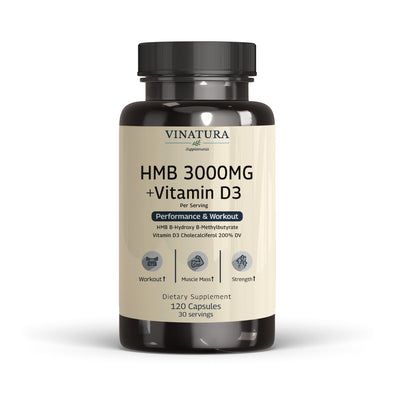
Vinatura Velositol 2G capsules contain 2 g of Velositol (amylopectin–chromium complex) per 4-capsule serving, with 30 servings per container. The studies above did not test this product.
Frequently asked questions
Is Velositol the same as MyoVera? Nutrition21, now part of Everwell Health, markets its amylopectin–chromium ingredient as MyoVera, and the former Velositol page redirects there. The published studies used the Velositol name.
Does it replace protein? No. Every human test gave it with whey protein. It has not been studied on its own.
Is the chromium a concern? There is no official upper limit, but isolated case reports have linked high-dose chromium to kidney, liver and muscle problems. Ask a healthcare professional first if you have kidney or liver disease or take diabetes or thyroid medicines.
References
- Ziegenfuss TN, et al. Effects of an amylopectin and chromium complex on the anabolic response to a suboptimal dose of whey protein. J Int Soc Sports Nutr. 2017;14:6. doi:10.1186/s12970-017-0163-1
- Ziegenfuss TN, et al. Effects of an amylopectin-chromium complex plus whey protein on strength and power after eight weeks of resistance training. J Exerc Nutr. 2021;4(3). doi:10.53520/jen2021.10394
- Ziegenfuss T, et al. Effects of Velositol® on muscular strength, lean mass, whole-body protein balance, and exercise performance during eight weeks of resistance training: Part I (Abstract A2); Lopez H, et al. Part II, safety and recovery biomarkers (Abstract A3). In: Proceedings of the Seventeenth ISSN Conference and Expo. J Int Soc Sports Nutr. 2020;17(Suppl 2):59. doi:10.1186/s12970-020-00382-5
- ClinicalTrials.gov. NCT07402382: Effects of an amylopectin chromium blend on whole-body protein kinetics and glucose control in peri/post-menopausal women (sponsor: Nutrition 21, Inc.; status: recruiting). Accessed October 25, 2026. clinicaltrials.gov
- Komorowski JR, et al. The addition of an amylopectin/chromium complex to branched-chain amino acids enhances muscle protein synthesis in rat skeletal muscle. J Int Soc Sports Nutr. 2020;17(1):26. doi:10.1186/s12970-020-00355-8
- Sahin K, et al. Effects of whey protein combined with amylopectin/chromium on the muscle protein synthesis and mTOR phosphorylation in exercised rats. Biol Trace Elem Res. 2024;202(3):1031–1040. doi:10.1007/s12011-023-03732-x
- Ozdemir O, et al. Evaluation of pea/rice and amylopectin/chromium as an alternative protein source to improve muscle protein synthesis in rats. Eur J Nutr. 2023;62(5):2293–2302. doi:10.1007/s00394-023-03150-8
- Kayri V, et al. Combination of soy protein, amylopectin, and chromium stimulates muscle protein synthesis by regulation of ubiquitin-proteasome proteolysis pathway after exercise. Biol Trace Elem Res. 2019;190(1):140–149. doi:10.1007/s12011-018-1539-z
- Lukaski HC, et al. Chromium supplementation and resistance training: effects on body composition, strength, and trace element status of men. Am J Clin Nutr. 1996;63(6):954–965. doi:10.1093/ajcn/63.6.954
- Campbell WW, et al. Effects of resistance training and chromium picolinate on body composition and skeletal muscle in older men. J Appl Physiol. 1999;86(1):29–39. doi:10.1152/jappl.1999.86.1.29
- Staples AW, et al. Carbohydrate does not augment exercise-induced protein accretion versus protein alone. Med Sci Sports Exerc. 2011;43(7):1154–1161. doi:10.1249/MSS.0b013e31820751cb
- Koopman R, et al. Coingestion of carbohydrate with protein does not further augment postexercise muscle protein synthesis. Am J Physiol Endocrinol Metab. 2007;293(3):E833–E842. doi:10.1152/ajpendo.00135.2007
- Gorissen SHM, et al. Carbohydrate coingestion delays dietary protein digestion and absorption but does not modulate postprandial muscle protein accretion. J Clin Endocrinol Metab. 2014;99(6):2250–2258. doi:10.1210/jc.2013-3970
- Mitchell CJ, et al. Acute post-exercise myofibrillar protein synthesis is not correlated with resistance training-induced muscle hypertrophy in young men. PLoS One. 2014;9(2):e89431. doi:10.1371/journal.pone.0089431
- Cerulli J, et al. Chromium picolinate toxicity. Ann Pharmacother. 1998;32(4):428–431. doi:10.1345/aph.17327
- Martin WR, Fuller RE. Suspected chromium picolinate-induced rhabdomyolysis. Pharmacotherapy. 1998;18(4):860–862. PubMed 9692662
- Vincent JB. The potential value and toxicity of chromium picolinate as a nutritional supplement, weight loss agent and muscle development agent. Sports Med. 2003;33(3):213–230. doi:10.2165/00007256-200333030-00004
- John-Kalarickal J, et al. New medications which decrease levothyroxine absorption. Thyroid. 2007;17(8):763–765. doi:10.1089/thy.2007.0060
- NIH Office of Dietary Supplements. Chromium: fact sheet for health professionals. Updated June 2, 2022. ods.od.nih.gov
- U.S. Food and Drug Administration. GRAS Notice Inventory (searched "amylopectin" and "chromium"). Accessed October 24, 2026. fda.gov
- U.S. Food and Drug Administration. About the GRAS Notification Program. January 4, 2018. fda.gov
- U.S. Food and Drug Administration. Substances Generally Recognized as Safe (proposed rule). Federal Register. August 11, 2026;91:51834. federalregister.gov
- Everwell Health (formerly Nutrition21). MyoVera ingredient page (the former Velositol page redirects here). Accessed October 24, 2026. everwellhealth.com
- Nutraceuticals World. Everwell Health becomes unified brand after acquisitions and expansions. February 26, 2026. nutraceuticalsworld.com
- Nutraceuticals World. Nutrition21 to showcase latest ingredient innovations. October 23, 2025. nutraceuticalsworld.com
- BevNET. Nutrition 21 Velositol gains GRAS status (company announcement). July 10, 2017. bevnet.com
Editorial note: This article reviews published research for educational purposes. It does not establish the effects or safety of any specific supplement, including Vinatura products, and is not medical advice. Written by Vinatura Editorial Team. Last reviewed October 2026.
Author
Product Disclaimer
Including an ingredient or study does not evaluate, endorse, or recommend any Vinatura product or any third-party product. Some ingredients discussed may not be used in any Vinatura product.
The content of the articles has not been evaluated by the Food and Drug Administration (FDA) and is not intended to promote or endorse any specific product. Any products sold on this website are not intended to diagnose, treat, cure, or prevent any disease.
Opinions and Endorsements
Any claims, statements, or opinions expressed in the articles are those of the author(s) and do not necessarily reflect the views or opinions of the manufacturers of the dietary supplement products. The products sold on this website are separate from the content of the articles and are not directly endorsed or associated with the information presented here.
Liability Disclaimer
The author(s) of the articles, website, and manufacturers of the dietary supplement products do not assume any liability for any potential consequences arising from the use of the information provided in the articles. Ingredient effects, dosages, and safety vary by individual, formulation, and context; some ingredients interact with medications or may be unsuitable during pregnancy or lactation. It is recommended that individuals consult with a qualified healthcare professional before making any dietary or lifestyle changes, including the use of dietary supplements.
Product Usage
Please refer to the product labels and packaging for specific usage instructions and guidelines for the dietary supplement products sold on this website.
Customer Support
For any concerns or questions regarding the dietary supplement products, please contact our customer support team, who will be more than happy to assist you.


Leave a Comment
Be the first to comment.
What do you think?